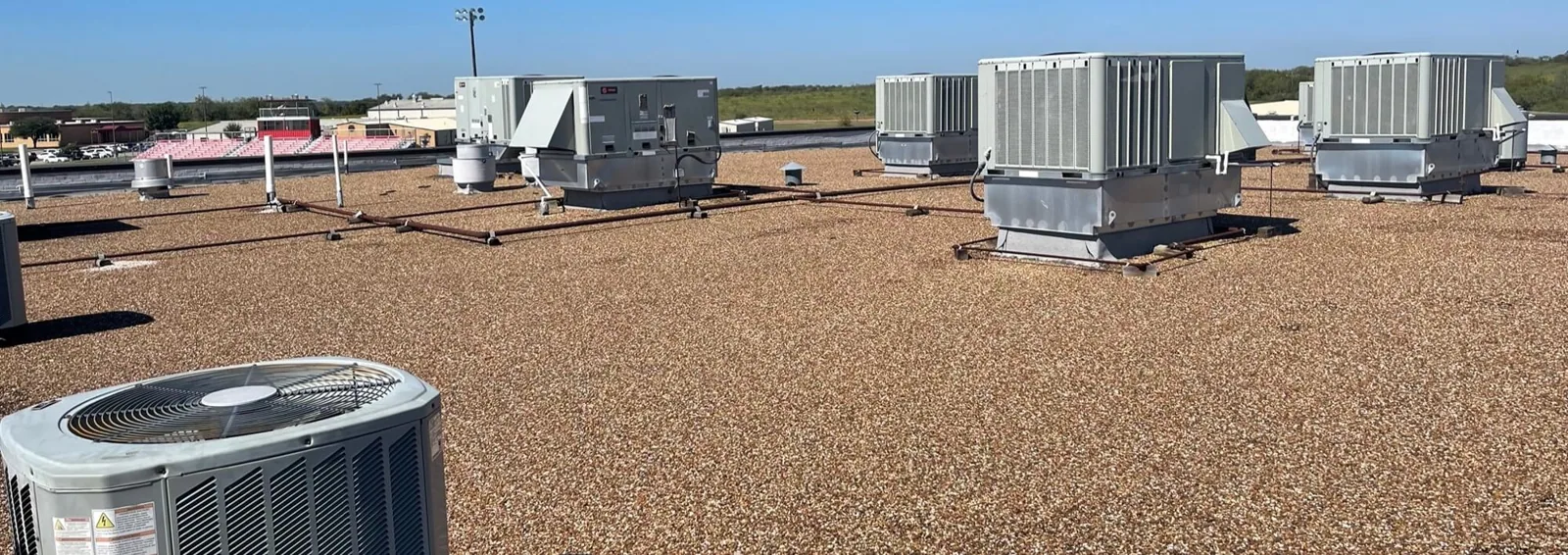
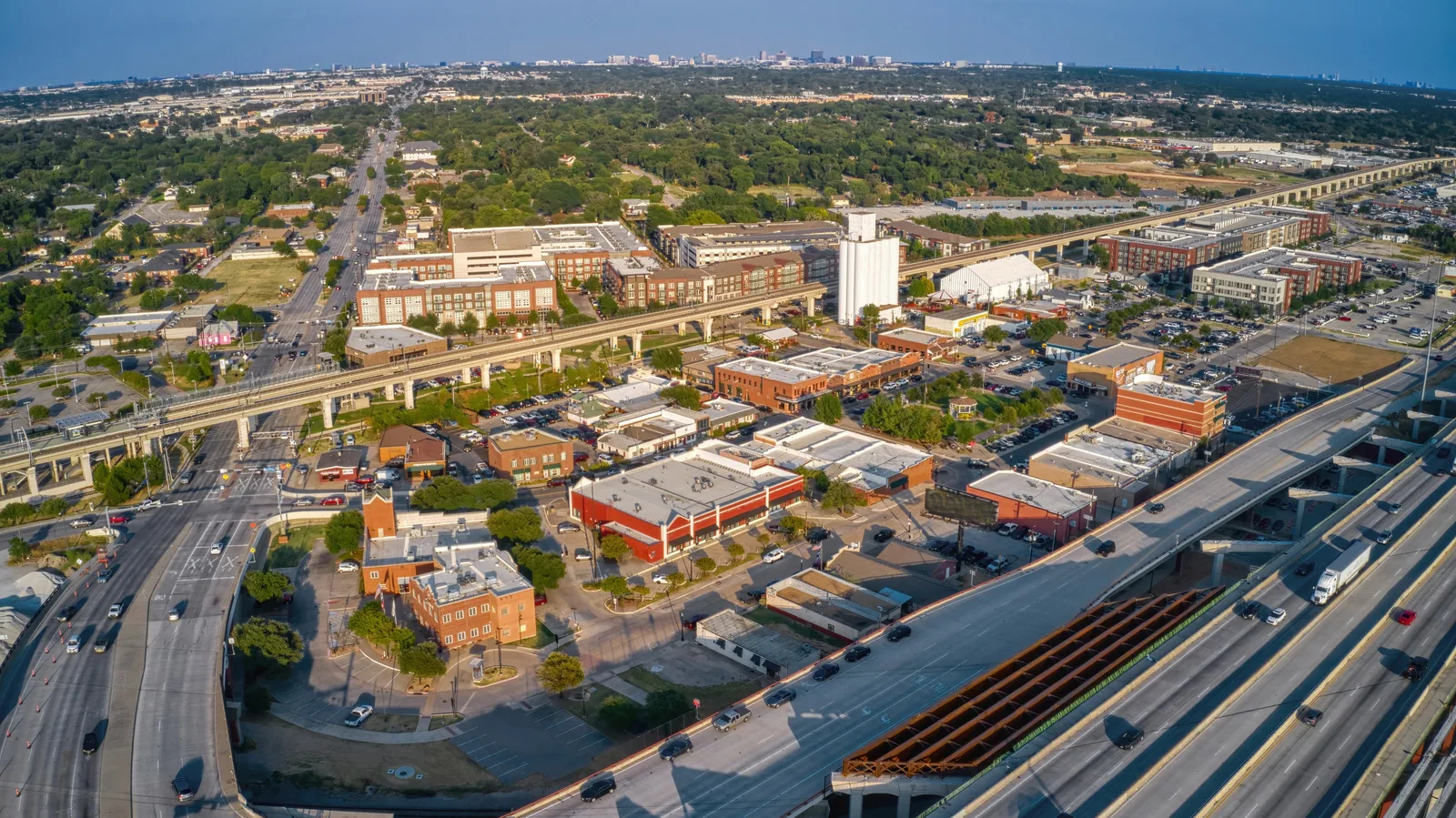
A narrow gap at a PVC seam can admit water long before a ceiling stain appears. We probe the seam, inspect its end and nearby flashing, then trace the likely path through the roof assembly. Sika Sarnafil's commercial roofing systems include PVC membranes in several constructions, so we confirm the installed sheet and attachment before selecting a repair material. Carrollton's hot summers put repeated heat on field seams, curb corners, and exposed terminations. Along the Belt Line industrial corridor, a property manager may also need to keep loading and tenant routes open during the roof walk. The inspection records both the membrane condition and the access limits that will shape the work.
Sika Sarnafil offers PVC roofing membranes for commercial low-slope roofs, including reinforced and fleece-backed constructions. Those assemblies do not all use the same attachment or repair details. We check product markings, field sheet, backing, seam type, perimeter conditions, and any project records available. A sheet may also have been repaired with materials from a later service visit, which makes field identification important before new work begins.
For a heat-welded membrane, we examine whether the seam is continuous, secure, and free of contamination or channel openings. At flashing, we inspect how the sheet turns up at walls and curbs, how corners are formed, and whether a termination bar or metal counterflashing remains secure. A PVC roof inspection also checks drains and scuppers, since ponding can keep a seam under standing water. We document each condition by roof zone instead of treating every surface mark as the same defect.
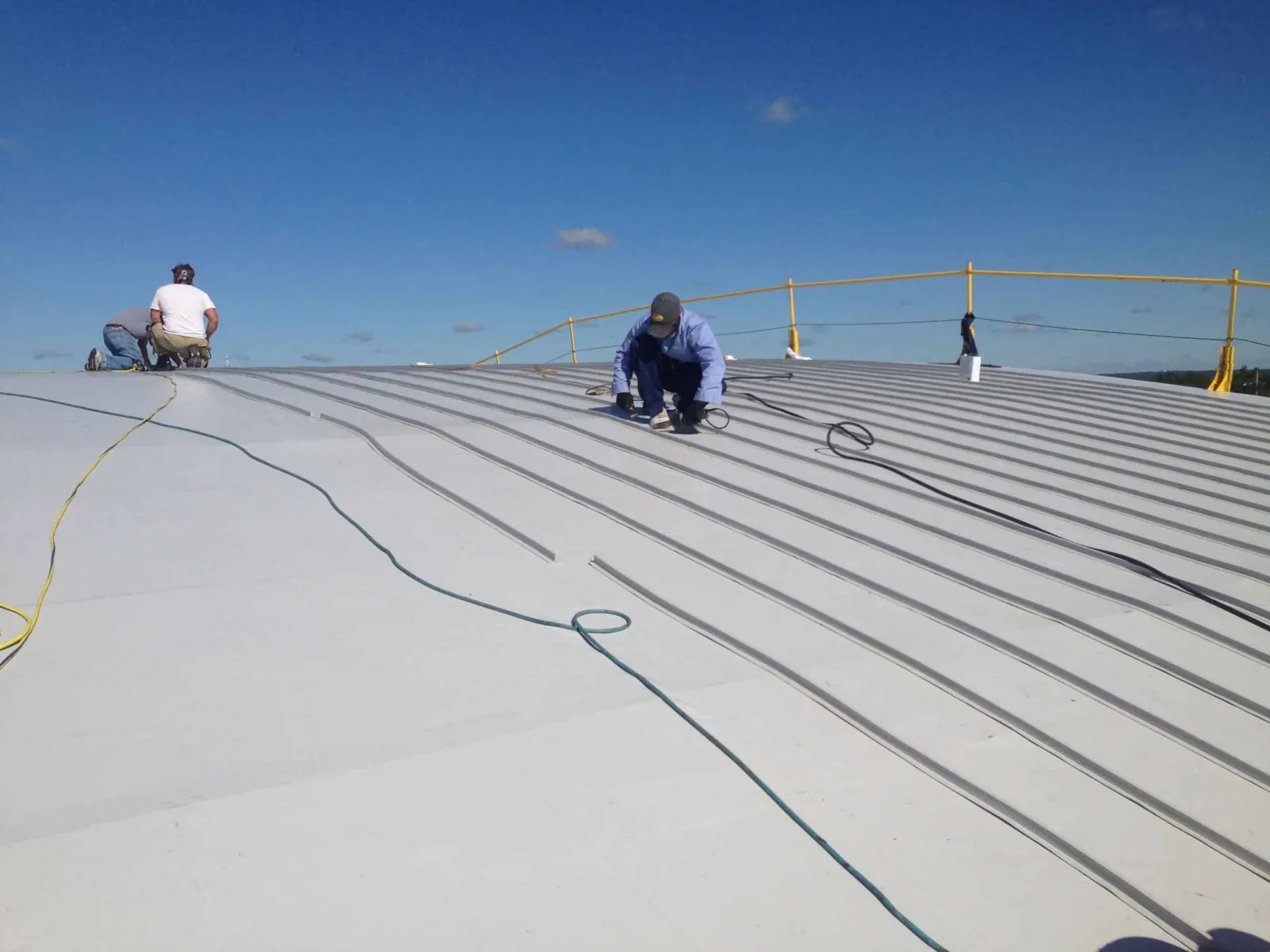
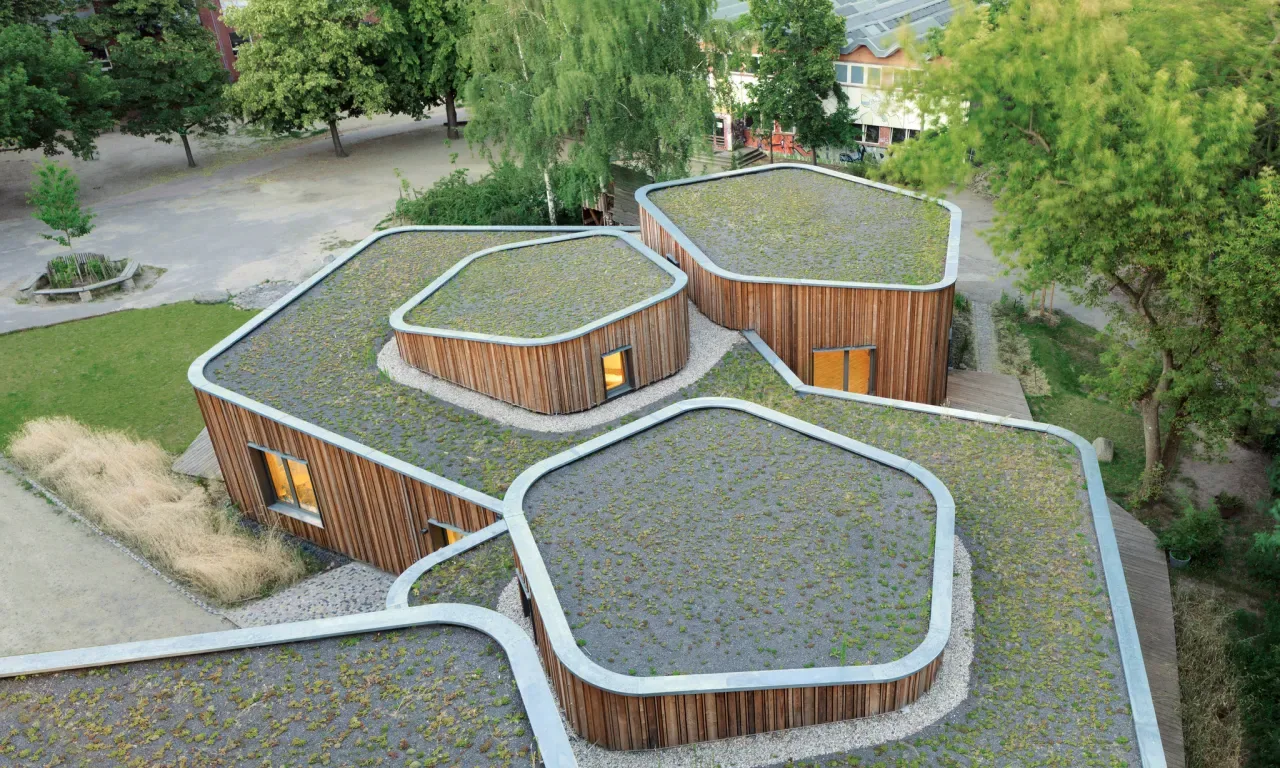
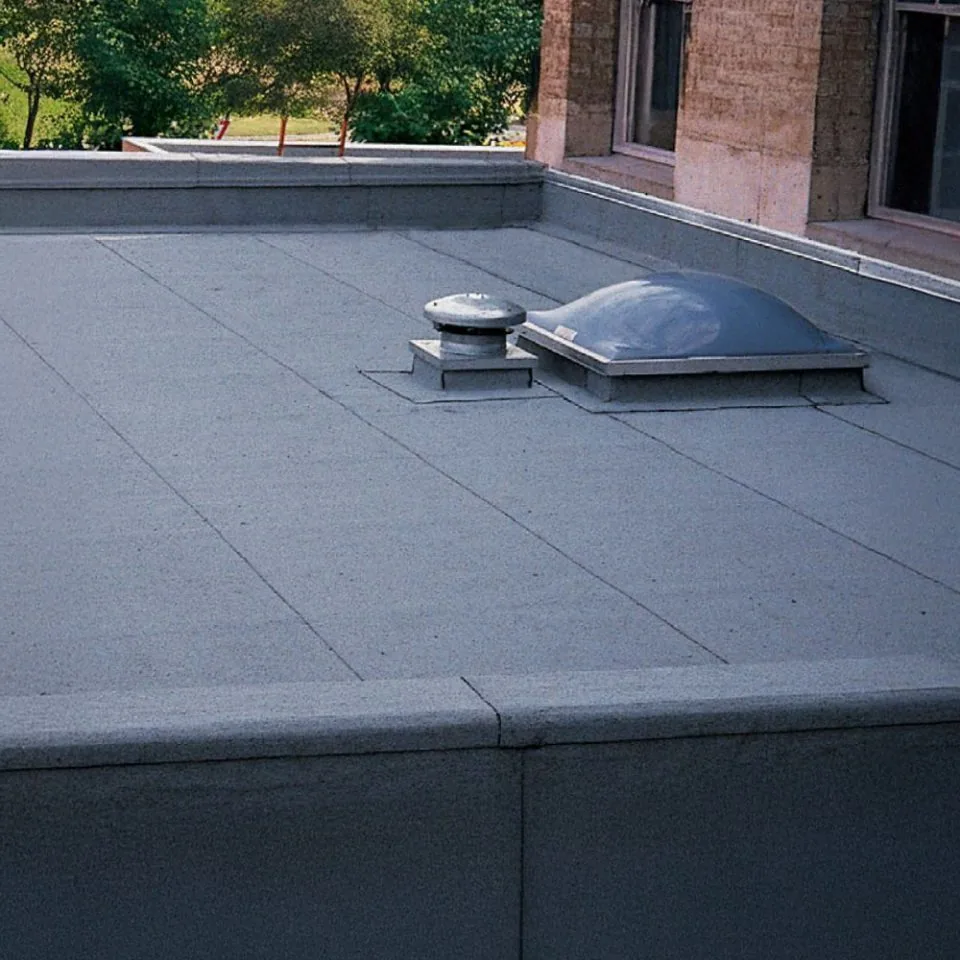
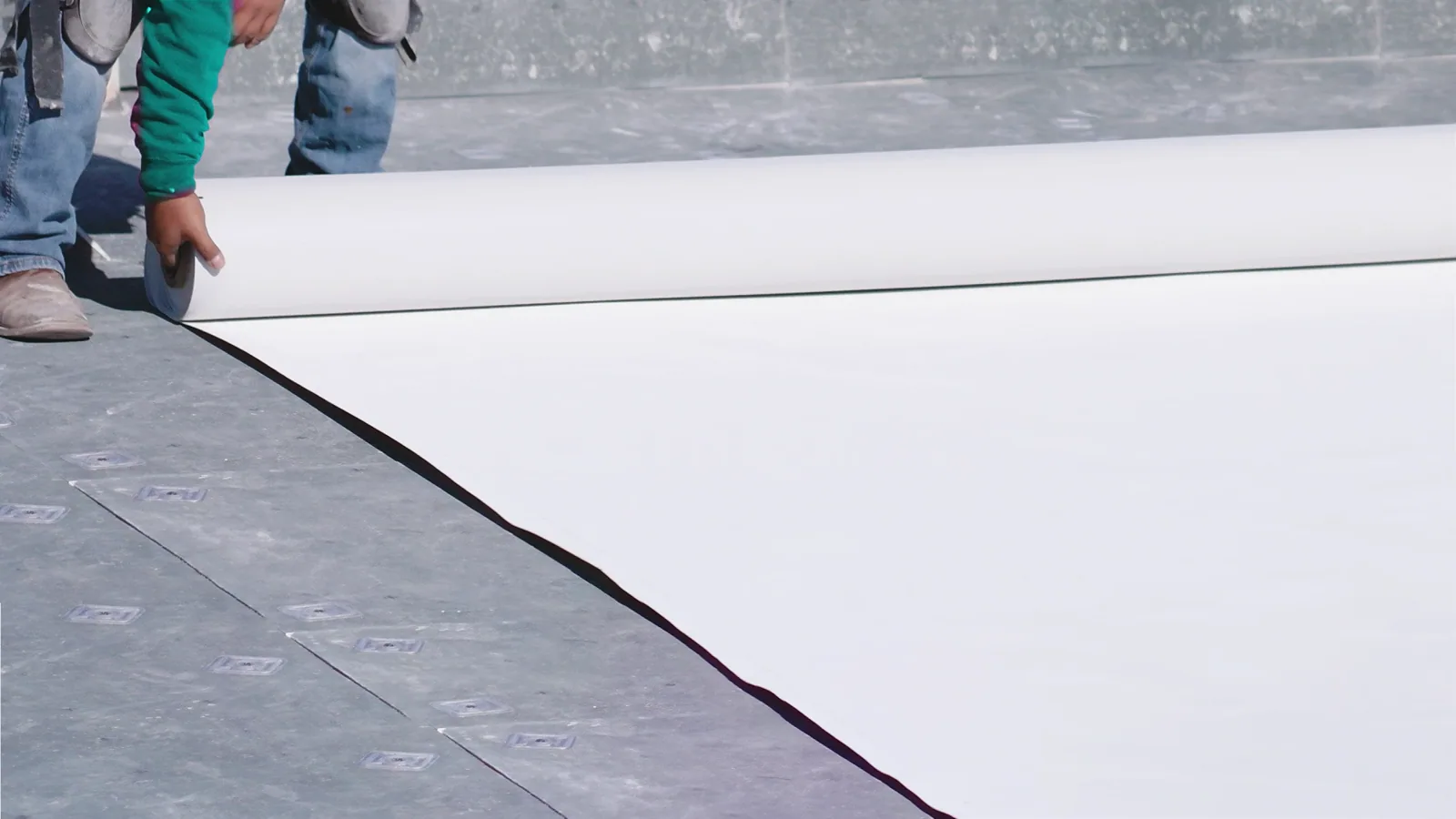
In July and August, Dallas-Fort Worth daytime readings stay in the 90s and frequently reach 100 degrees, adding heat to exposed seams and curb corners. That regional climate can increase thermal movement at roof details, especially at sheet edges, metal, and penetrations. We inspect for stress at curb corners, loose termination, open laps, and brittle or poorly bonded patches. We check related seams across the affected area before deciding whether the field needs replacement.
Water may travel beneath a PVC sheet before it shows inside. We compare the stain location with the roof slope, drain path, deck direction, and penetrations nearby. A clogged drain or blocked scupper can hold water at a low point, while a failed flashing may let it enter farther upslope. Our ponding-water roof review looks at the drainage condition and the membrane together. If moisture is suspected below the surface, we identify likely test locations rather than assuming the full area is wet.
A PVC patch needs a clean, compatible surface and a sound boundary. We remove loose material and contamination, prepare the sheet, and use the prescribed heat and pressure to weld the repair into stable membrane. The weld should be checked after cooling. At a drain, pipe, or curb, the detail needs to keep water moving outward and maintain a continuous connection to the field sheet. A bead of sealant may protect a compatible edge in a specific detail, but it cannot substitute for a failed weld or loose flashing.
We also check the assembly beneath the membrane. Wet insulation, failed attachment, or widespread deterioration can make an isolated patch temporary. A test cut can confirm hidden layers and moisture when the inspection supports opening the roof. We record the exact cut location and close it securely. If the sheet is broadly compromised, we compare repair with recover and replacement, including how each option handles insulation, drainage, attachment, and project requirements. A commercial roof repair scope should state the boundary and explain any remaining unknowns.
Severe weather peaks in spring across the Dallas-Fort Worth Metroplex, where large hail and damaging winds occur nearly every year somewhere in the region. After a storm, we inspect the membrane, welded seams, perimeter metal, pipe boots, and rooftop equipment curbs. Hail marks need context: the question is whether the membrane has a puncture, fracture, or other functional damage, not simply whether a mark is visible. We photograph and locate each condition to keep the repair scope tied to a specific area.
A wind event may loosen edge metal or drive debris across the surface. We check the wind-lift path from the perimeter inward and look for displacement at transitions. At a property near Midway South Industrial Park, the manager can identify loading patterns and areas where staging must stay clear. We coordinate roof access and temporary protection before opening material. For claim documentation, our roof claim support organizes photos and repair observations without treating a coverage decision as certain.
When a roof is being replaced, selection should account for the deck, insulation, cover board, attachment, penetrations, perimeter, and drainage. The Sika Sarnafil product specification and the building's conditions determine which membrane construction and details fit the project. We review the substrate, roof slope, existing layers, and any requirements in the owner's documents. A material choice that fits the field but leaves a curb or edge transition unresolved is incomplete.
Warranty terms depend on the applicable issuer and project documents. We check what the owner has and identify required coordination before making a promise about eligibility. Current coverage comes from the written warranty documents and issuer confirmation. Compare the specified Sika membrane with Johns Manville roof systems and Holcim Elevate assemblies by checking membrane, insulation, flashing, and edge details against the same project needs. We can then prepare a scope that shows membrane, insulation, flashing, and edge work as one connected assembly.
PVC work needs dry surfaces, suitable temperatures, and enough time to complete each day's close-in. We check the forecast, material staging, roof access, and conditions below before deciding how much area to open. A property manager should identify tenant hours, loading routes, rooftop equipment that cannot be interrupted, and any limits on lifts or roof access. Those details affect the sequence as much as the membrane condition.
The belt-line and Midway Road industrial properties carry different operating patterns. We plan the route, mark work limits, and keep each transition watertight as work moves across the roof. If weather changes, the day's open area needs a secure end point. Our occupied-building roofing sequence can be coordinated with those operating constraints. For a roof near Belt Line Industrial Corridor, arrange a roof walk and bring any roof plan, leak log, and prior repair records that can identify the existing Sarnafil system.
The installed construction and attachment determine what we need to check. We identify the membrane, test seam condition, inspect flashing and terminations, and look at the layers and drainage below. Product markings and project records help, but the field assembly is what sets the repair method.
A local weld can be restored when the surrounding sheet is sound, cleanable, and securely attached. We check the seam's full extent and its transitions before marking the repair limit. Hidden moisture or broader deterioration may require more investigation.
No. Hail impact is documented by location, then checked for puncture, fracture, seam damage, and other functional loss. A marked surface without an opening is not the same as a failed membrane. The roof's overall condition determines whether repair is sufficient.
Existing submittals, warranty paperwork, roof plans, repair invoices, and visible membrane markings all help. We compare those records with seam, backing, attachment, and flashing details on the roof. If hidden layers remain uncertain, a planned test cut may be needed.
We set an opening limit and a same-day close-in point, then check the forecast and substrate before exposing material. The manager helps coordinate loading, tenants, equipment, and access. Each shift ends with a secured transition that protects the area worked that day.
RELATED WORK
CALL US
Leaks, storm damage, a failing membrane or a replacement on the calendar: tell us what is happening on the roof and we will set up a visit.
Roofing Manufacturers
Arrange safe roof access and share recent leak or storm details. We will identify the PVC assembly, map its condition, and explain which repairs can be completed within a planned weather window.
Call 555-555-5555 or request a roof assessment online.