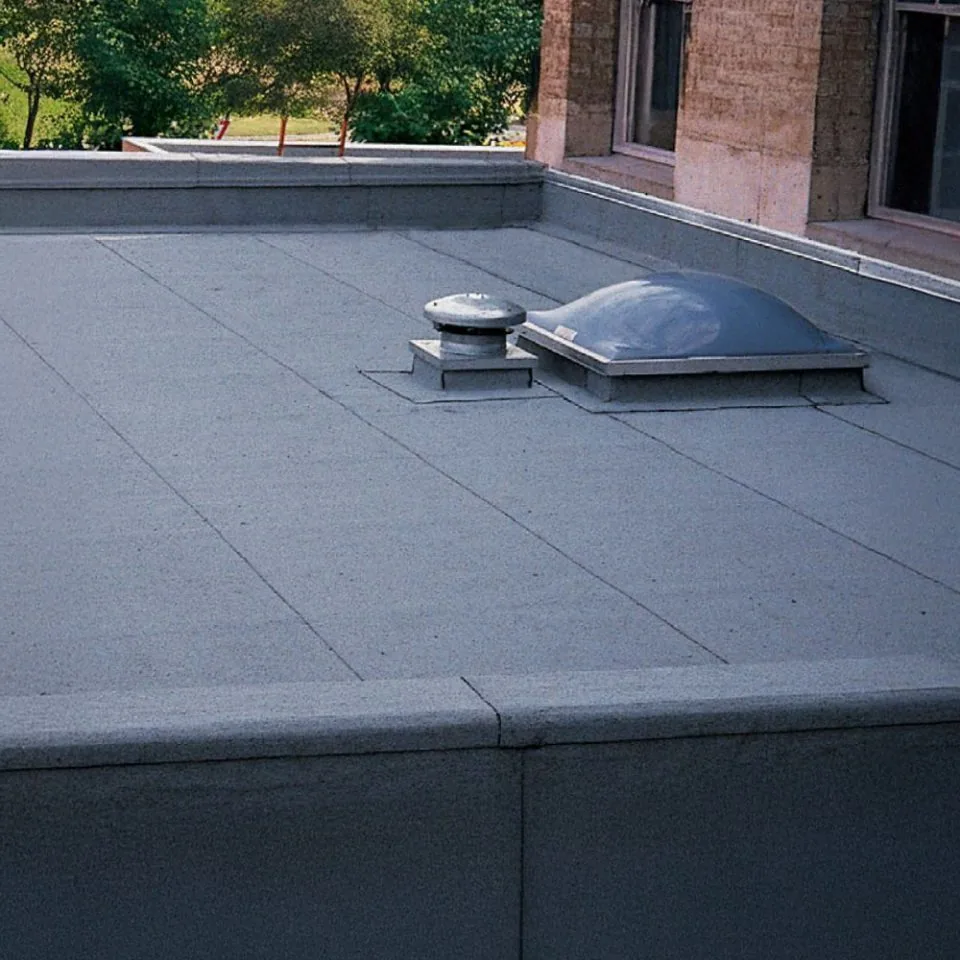
A lifted membrane edge at a parapet can leave a Johns Manville roof exposed even when most of the field still looks sound. We check the termination, seam, insulation, drain path, and substrate before naming a repair. Carrollton's spring hail and damaging winds can bruise a surface or loosen perimeter details; the mark on top does not by itself define the repair limit. At Frankford Trade Center, distribution and logistics operations make roof access and close-in timing part of the scope. We document the affected area, identify the system where records permit, and compare repair with recover or replacement. The right choice follows the assembly's condition, not the label on a product sheet.
Johns Manville offers commercial roofing materials that include TPO, EPDM, PVC, modified bitumen, insulation, and related components. A manufacturer name on an old invoice is useful, but it does not establish which membrane, reinforcement, attachment, cover board, or flashing is on the roof today. We look for labels, repair history, seam appearance, fastener patterns, and exposed edge details. A small test cut may be needed to identify layers or check for trapped moisture before a larger decision.
Each system calls for its own field checks. On single-ply, we examine seam integrity, flashing transitions, and how the sheet is attached. On a multi-ply asphalt roof, we inspect laps, surface wear, and the condition below the cap sheet. Insulation matters because a dry-looking surface can sit over wet material. We record what the inspection can confirm and separate it from what needs opening or testing. If the assembly is TPO, the details in our TPO roof evaluation help frame the seam and flashing review.
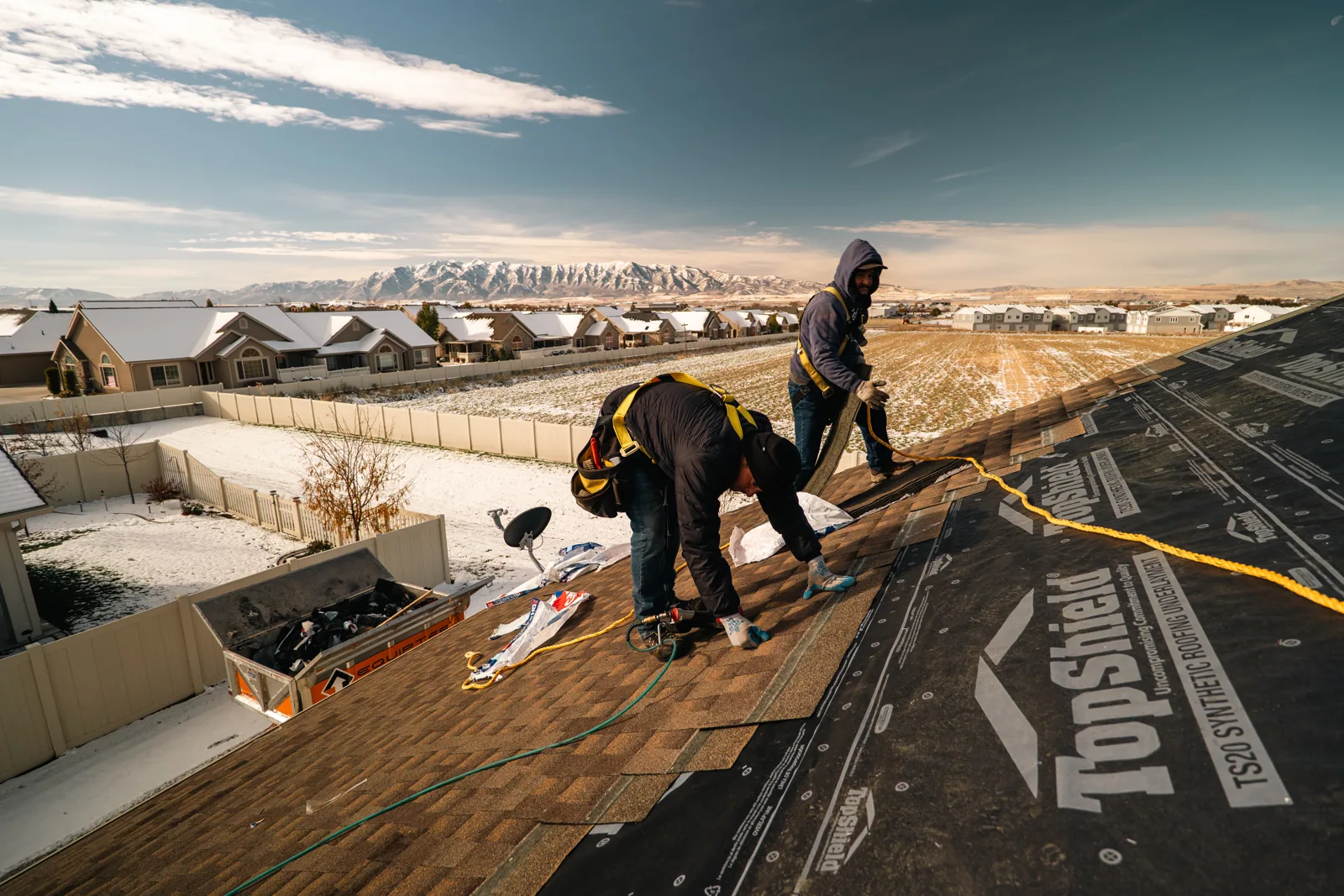
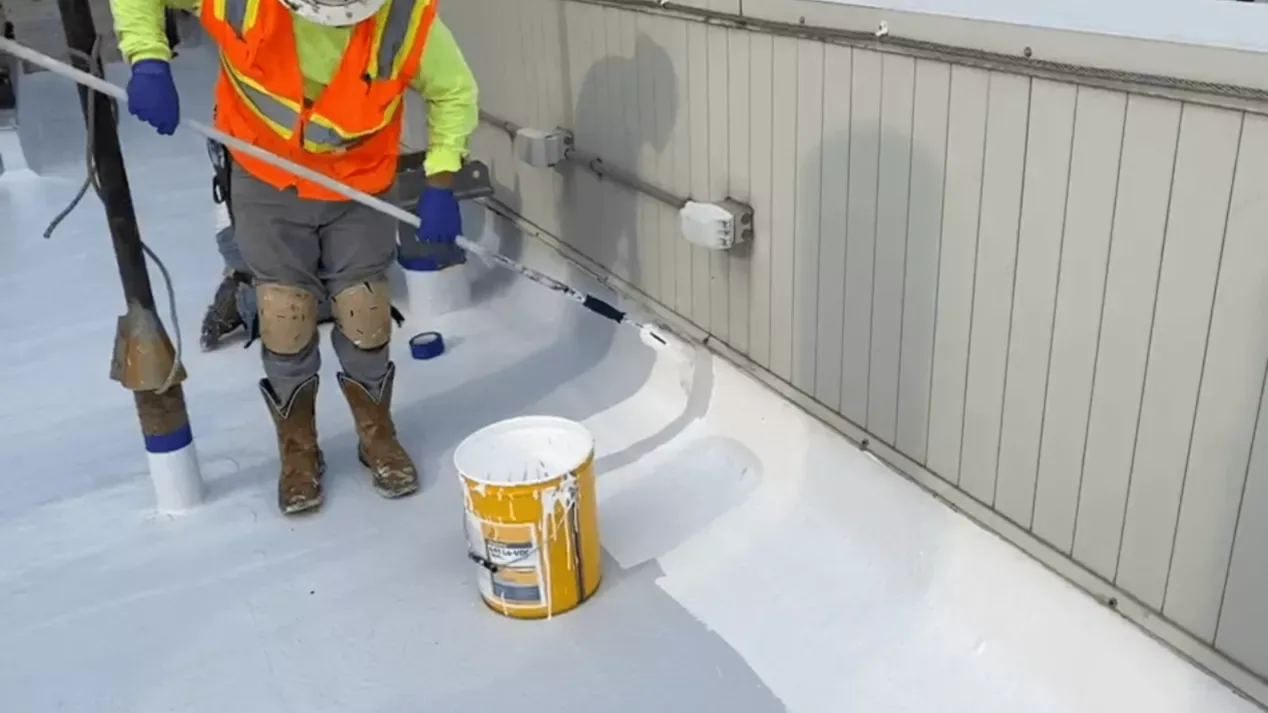
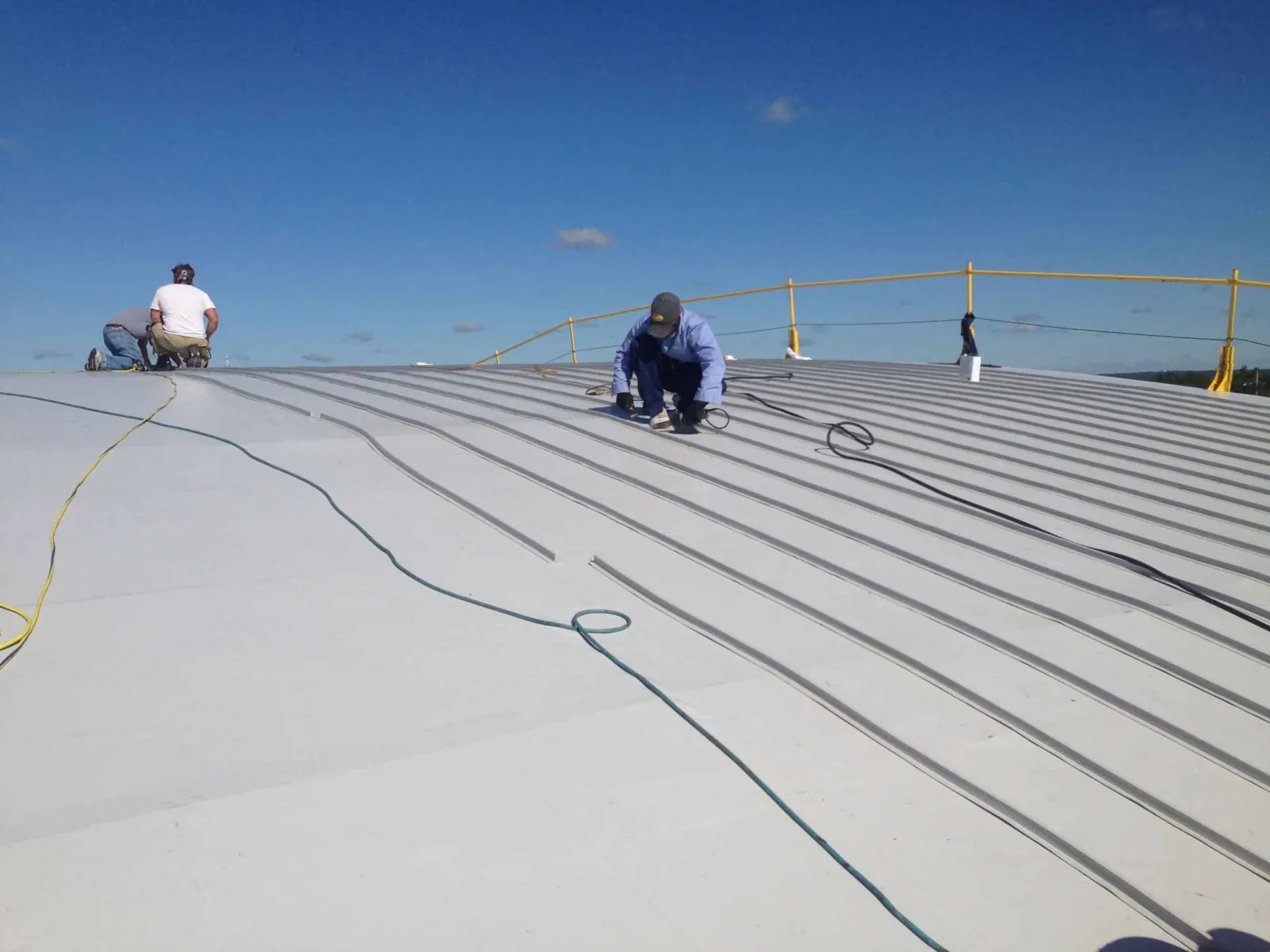
Water rarely follows a straight line from the roof opening to the ceiling stain. It can move along insulation joints, deck flutes, a curb, or a change in slope before it becomes visible indoors. We map the interior symptom to roof zones, then inspect drains, scuppers, seams, penetrations, and wall transitions in that area. If several rooms show staining, we check whether they share a roof section or whether separate details are involved. That distinction keeps a repair scope tied to observed conditions.
Heat also works on the assembly. Dallas-Fort Worth summers bring prolonged periods with daytime highs in the 90s and often at or above 100 degrees. We look for brittle flashing, open laps, stressed sealant, and movement at metal transitions after the roof has cycled through heat. A coating can protect a compatible surface, but it does not correct wet insulation, loose edge metal, or a failed termination. Our heat and UV roof review distinguishes surface aging from a condition that needs a deeper repair.
A contained seam or flashing failure may be repairable when the surrounding membrane remains sound and the insulation is dry. We remove loose or contaminated material, prepare the surface for the compatible repair, and secure the new detail to the existing assembly. The repair has to tie into stable material. A patch placed over a moving seam or wet insulation can hide the symptom without correcting the path.
Recover work may fit when the existing roof can remain in place and the assembly meets project requirements. The roof must be checked for moisture, attachment, drainage, and the number of existing layers. Replacement becomes the stronger option when failures are widespread, insulation is compromised, or repeated repairs no longer leave a dependable field. We compare the options in a written scope and identify any conditions that require verification. For a broader capital decision, a roof capital plan can connect the current condition report to budget timing without treating an unconfirmed layer as a fact.
Before material is opened, we agree on access, staging, weather limits, and a daily close-in point. Frankford Trade Center's mix of logistics tenants is a reminder that truck movement, loading doors, and operating hours can constrain where a crew enters and stages material. We coordinate those conditions with the property manager, protect active areas below the work, and keep the repair boundary clear. If a test cut is necessary, we plan its location and close it before leaving the roof.
Spring is the Dallas-Fort Worth severe-weather peak, and storms can bring hail, flooding, tornadoes, or damaging wind somewhere in the metroplex nearly every year. That makes the forecast and the condition of exposed work practical scheduling inputs. We sequence demolition and installation so the crew can protect the building if weather changes. When a storm has affected the roof, photographs and a marked location help connect the visible damage to the scope. Our storm roof repair process begins with that record and a check of each exposed transition.
Product names matter when they identify the right membrane, flashing, adhesive, or insulation for an assembly. We check current product literature and project specifications before selecting a material, because similar-looking sheets can differ in thickness, reinforcement, attachment method, and approved accessory details. Seam preparation and welding settings need to follow the system requirements. At curb corners, drains, and wall terminations, workmanship is visible in the finished transition, not only in the field sheet.
Records also matter after work is done. We note the repair location, material used, conditions found, and any area left for follow-up inspection. If a warranty is involved, its issuer controls eligibility and terms; repairs must be coordinated with the applicable documents. We do not assume a manufacturer program from the membrane name alone. Owners comparing materials can also review Carlisle commercial systems and GAF roofing products as separate product families, with selection based on the building's needs and project specifications.
Gather roof plans, product records, repair notes, and leak locations before the roof walk. Those documents help us identify the likely assembly, while field conditions determine what can be confirmed. If records are missing, we start with visible details and note where a test cut or further investigation is warranted. The scope should state what is included, how the building will be protected, and what would change the recommendation.
Carrollton industrial properties can have long roof runs, active loading, and multiple elevations. We plan the inspection route and ask the manager to flag restricted doors, production periods, and any work-hour limits. Arrange access and tell us whether the concern follows recent weather, recurring leaks, or a planned capital project. We can then inspect the Johns Manville assembly in place, mark repair limits, and return a clear next step. For properties near Valwood Industrial Park, our Valwood roof service can account for the operating setting while the roof condition sets the work.
A localized failure can be repaired when the surrounding membrane is sound and the insulation is dry. We inspect the seam, flashing, attachment, and nearby surface, then define the repair boundary. If moisture or deterioration extends beyond the visible opening, the scope may need to include a larger area.
Roof records, membrane markings, seam construction, edge details, and a test cut can help identify the assembly. No single clue settles every roof. We document what is visible and confirm hidden layers only when the inspection method supports that conclusion.
A name alone is not enough. The existing sheet, reinforcement, attachment, insulation, and flashing details matter. We compare the assembly with current product specifications before recommending a compatible repair or replacement scope.
We map the affected roof area and check seams, flashings, edges, and penetrations for functional damage. A surface impression does not automatically mean the membrane has failed. Photos and marked locations help separate cosmetic marks from openings or loosened details that need repair.
Yes, when access and the work zone can be coordinated safely. We plan staging, loading conflicts, tenant protection, and the daily close-in point with the property manager. The roof condition and weather window still determine what work can be completed in each phase.
RELATED WORK
CALL US
Leaks, storm damage, a failing membrane or a replacement on the calendar: tell us what is happening on the roof and we will set up a visit.
Roofing Manufacturers
Set a roof-access window and tell us about recent weather, active loading, or tenant limits. We will inspect the assembly, mark the repair boundary, and provide a written scope for the next decision.
Call 555-555-5555 or request a roof assessment online.