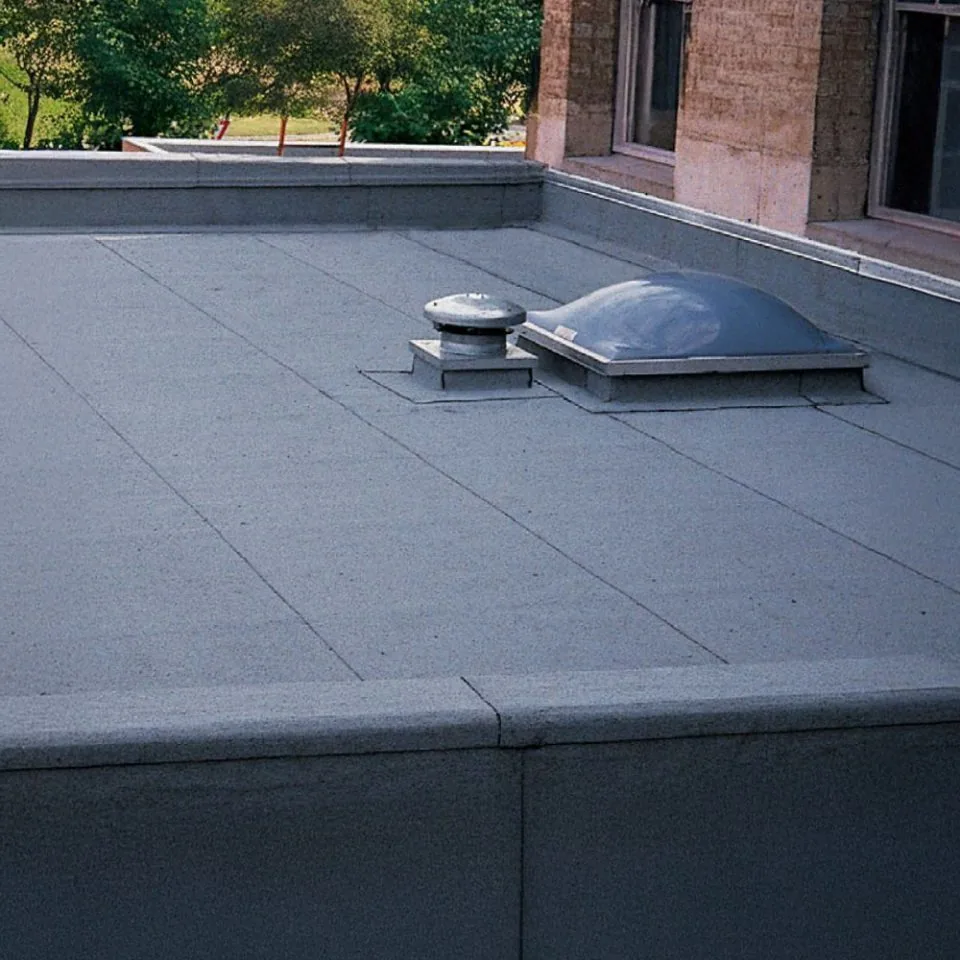
A dark water line below a Holcim Elevate roof can start at a drain, seam, curb, or wall termination several bays away. We trace the path from the interior mark to the roof detail instead of treating the nearest membrane area as the source. The former Firestone Building Products portfolio now carries the Holcim Elevate name, with commercial EPDM and TPO options among its roofing systems. The product label helps narrow the inspection, but field conditions set the repair. Carrollton's winter freeze-thaw and spring storms test seams and transitions as temperatures and wind change. At Trinity Mills Industrial, occupied business and industrial buildings make roof access and a dependable close-in point part of the plan.
Holcim Elevate sells commercial roofing systems that include EPDM and TPO membranes, along with insulation, cover boards, adhesives, and accessories. The exact assembly varies by project. We inspect membrane markings where present, seam construction, attachment, flashing, edge termination, and repair history. A roof may have been repaired or overlaid since installation, so the original product schedule cannot stand in for a current field check.
EPDM and TPO need different repair materials and seam methods. On EPDM, we examine the surface, splice tape or adhesive seams, flashing, and transitions to metal. On TPO, we look for the condition of hot-air welded seams, weld width, patches, and detail work around penetrations. We also check whether the insulation and cover board are dry and secure. A closer look at EPDM assemblies or our TPO roof evaluation can help explain what those details mean for repair options.
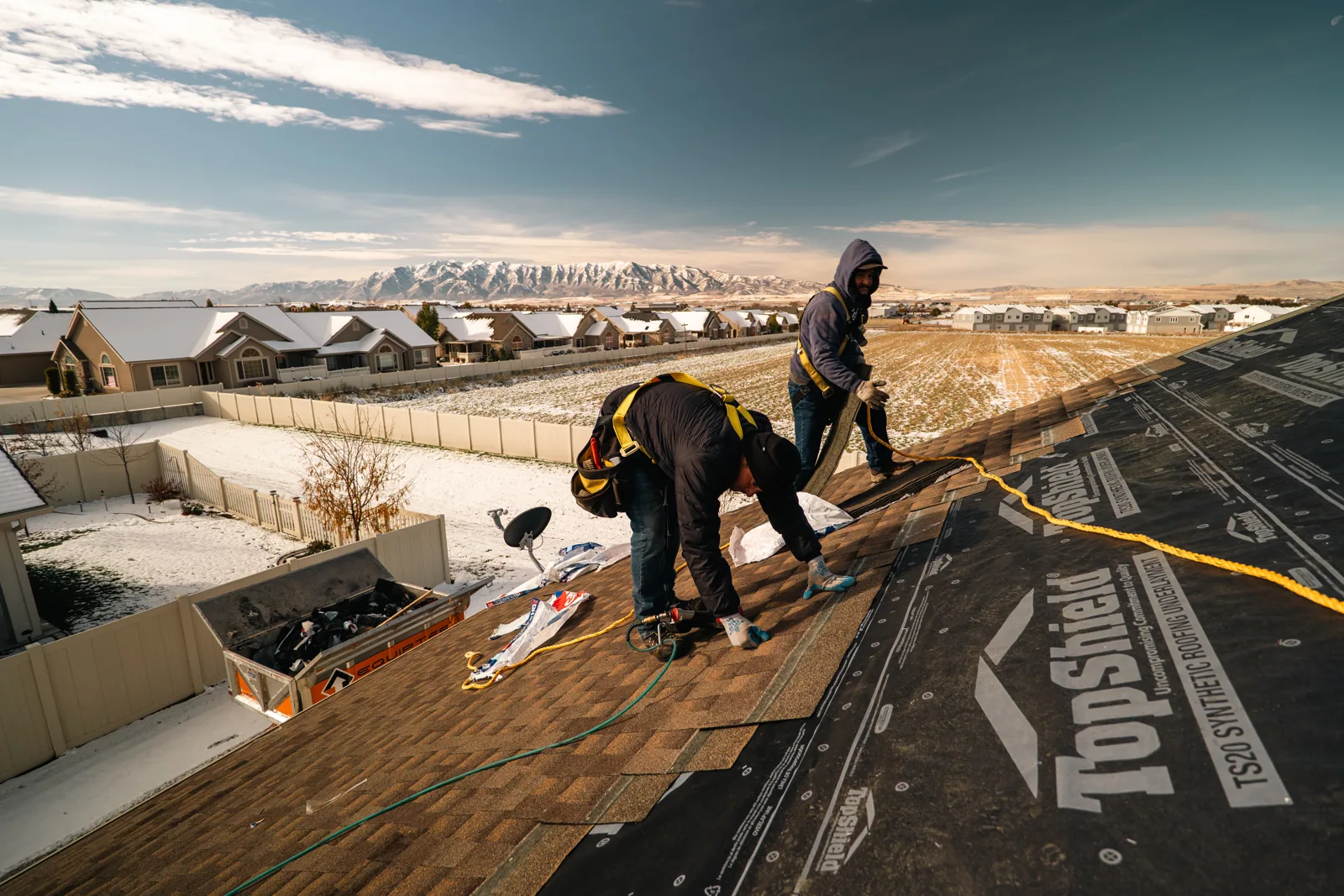
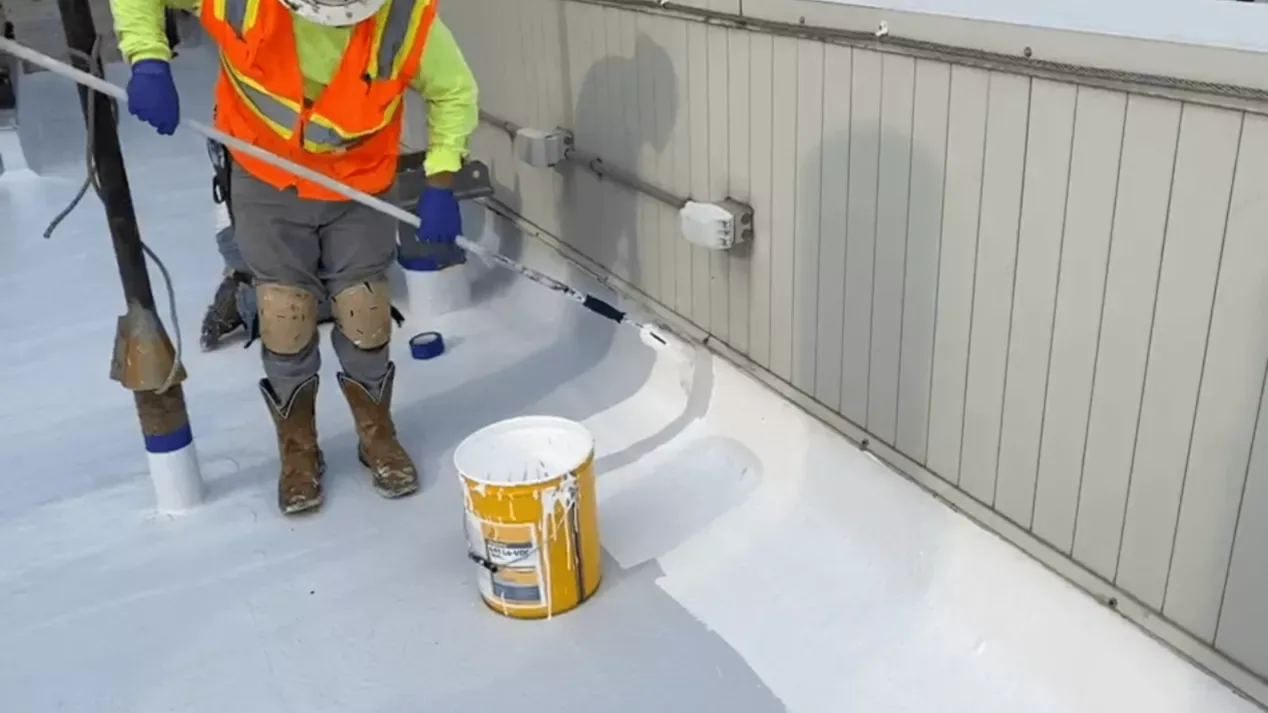
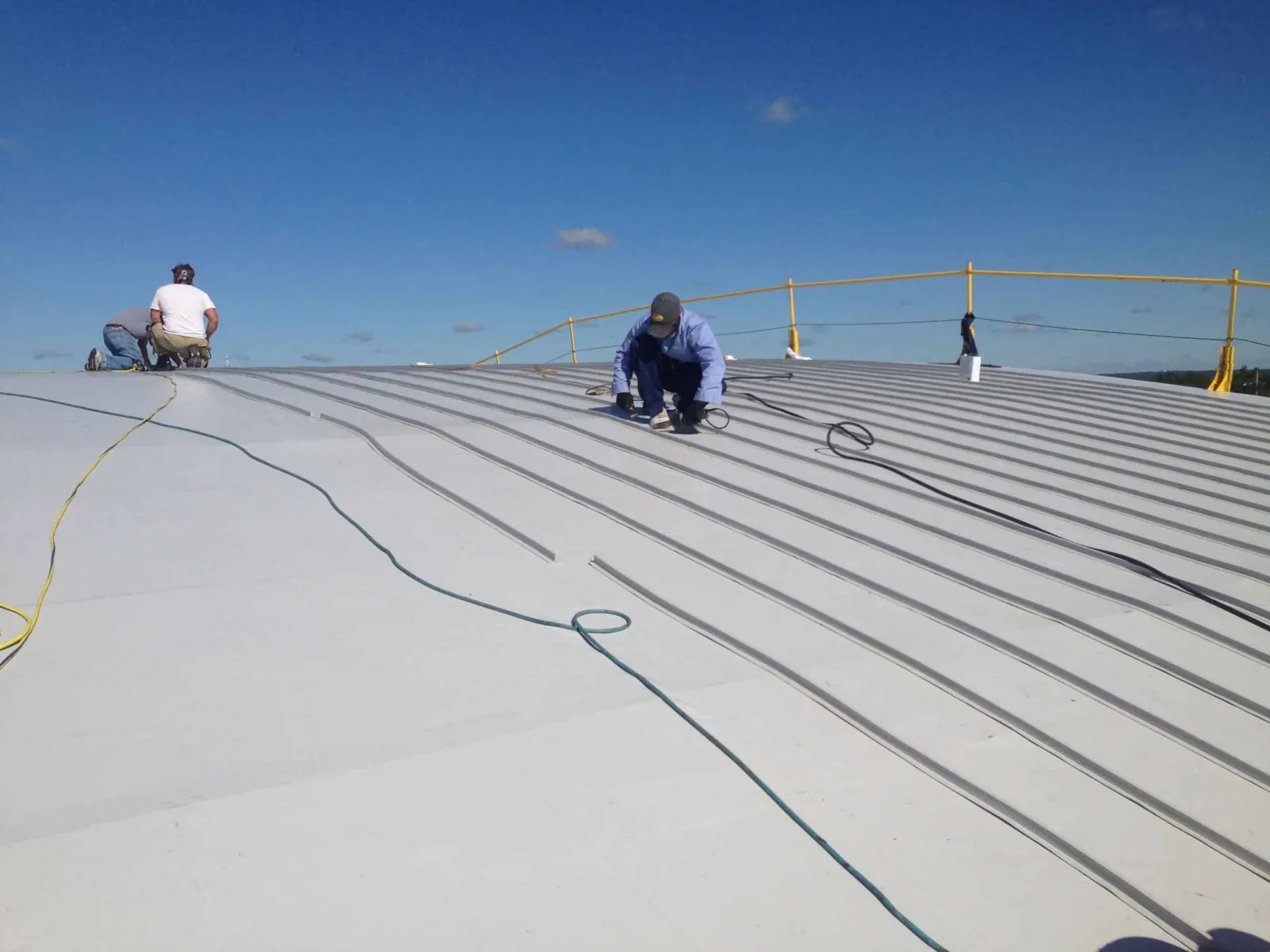
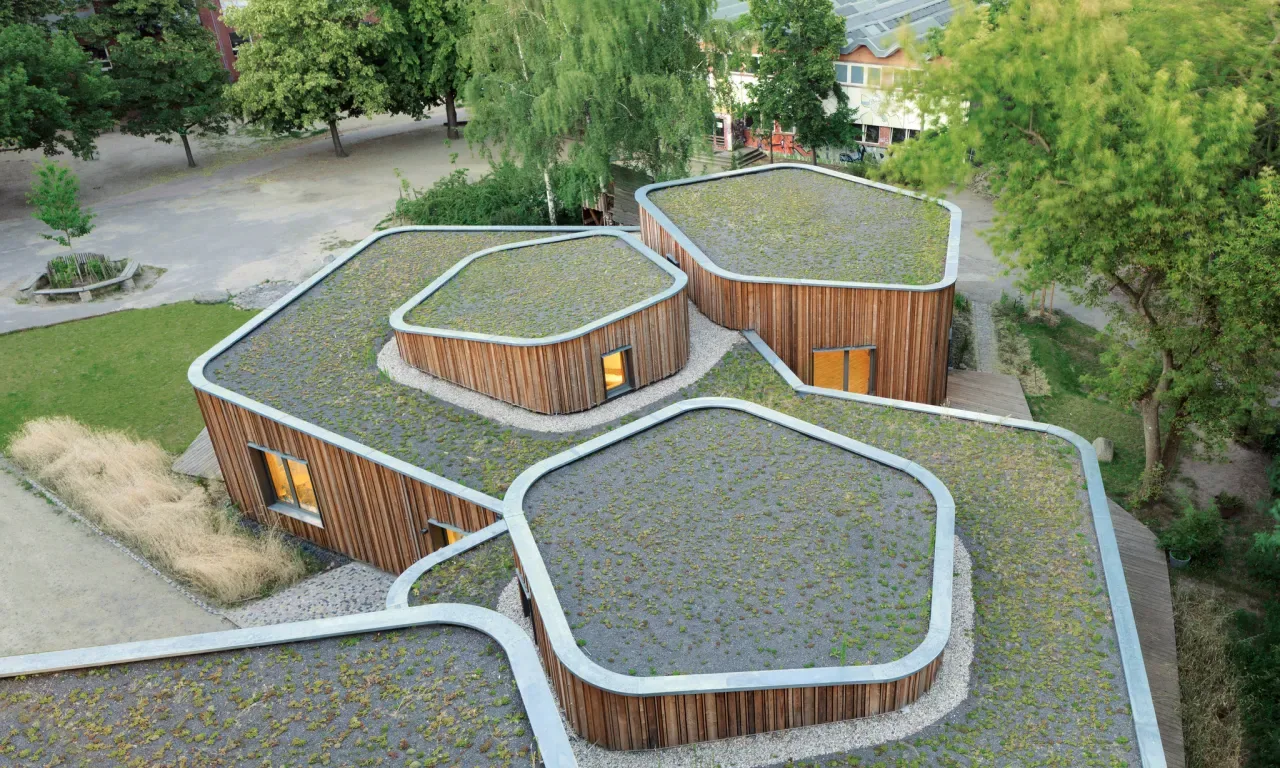
Cold nights followed by warmer days can stress an existing seam or patch, especially where a roof turns up at a curb or parapet. The Dallas-Fort Worth Metroplex gets wintry precipitation each winter, though many seasons bring little or no measurable snow. For Carrollton roofs, repeated freeze-thaw exposure can matter more than sustained snow loading. We inspect for open splices, splits at flashing corners, loose terminations, and sealant that no longer holds its edge. Drain bowls and scuppers also deserve a look after ice or debris has moved through the system.
Spring is the metroplex's peak severe-weather season. Large hail and damaging winds occur nearly every year somewhere in the region, and a storm can leave bruising, displaced metal, or punctures that need mapping. We photograph each condition and mark its roof zone, then check adjacent seams and penetrations for a functional opening. An isolated surface mark is not automatically a membrane failure. The hail damage inspection separates visible impact from a repairable defect and preserves a clear record for the owner.
A compatible repair begins with surface preparation and a stable repair boundary. We remove loose material, clean the area using the method suited to the membrane, and install the repair components specified for that system. A patch needs adequate overlap and secure edges. At a transition, the membrane repair must connect cleanly to the curb, drain, wall, or metal detail rather than stop at the visible stain.
We also look below the surface. Soft insulation, trapped moisture, widespread seam failure, or a loose attachment pattern can change the work from a patch to a larger repair or replacement. If the existing roof is dry and stable, a recover may be possible after checking drainage, assembly height, and project requirements. When the roof has repeated leaks or extensive deterioration, replacement may be the more durable scope. We explain what supports each option in a commercial roof inspection and note what remains uncertain until an opening is tested.
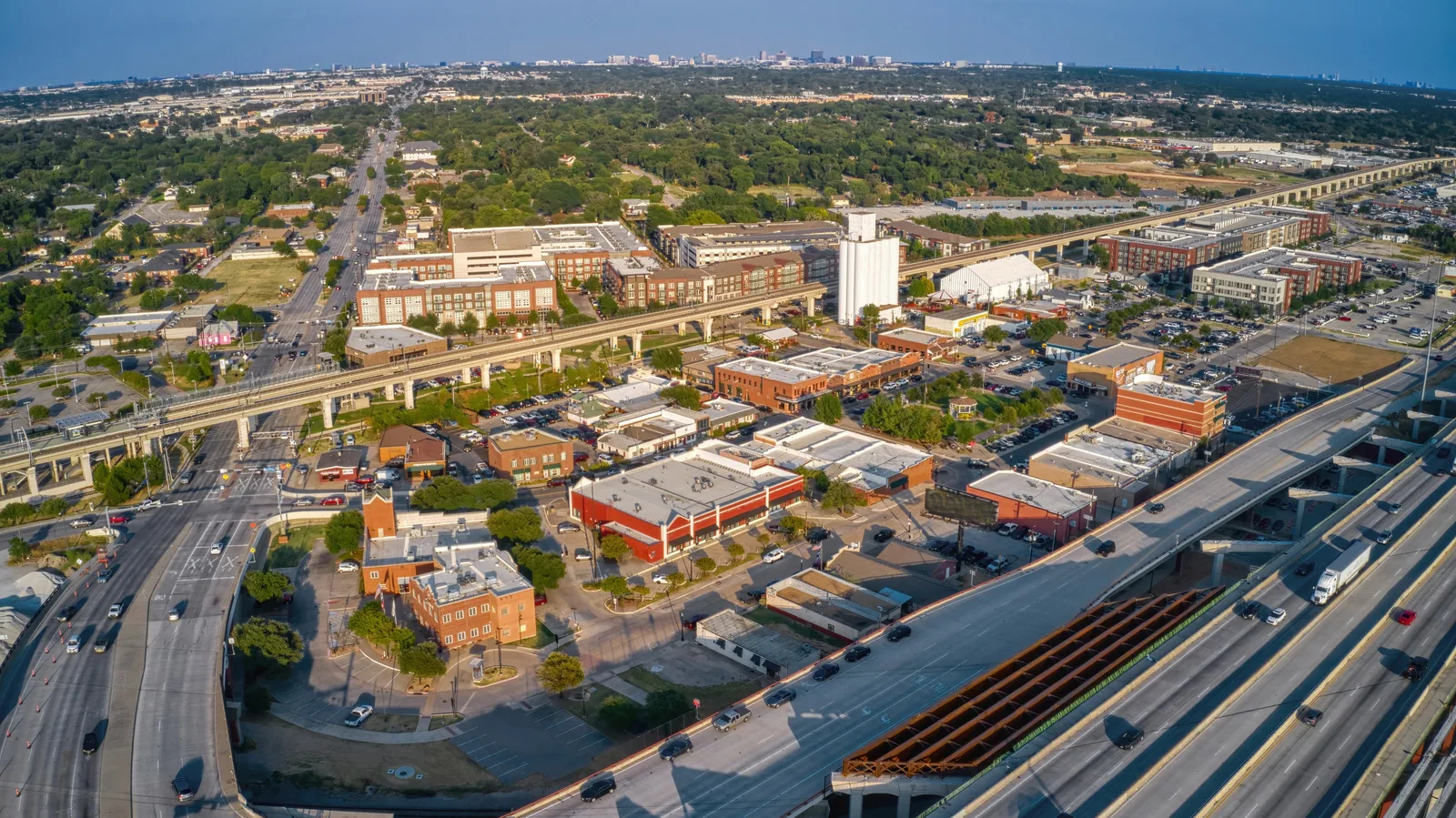
Trinity Mills Industrial is a substantial Carrollton employment area, and work at an occupied property still has to fit the specific building's loading, tenant, and safety rules. We confirm the route to the roof, lift or ladder locations, material staging, and any areas that need protection below. The property manager identifies restricted access and operating periods before we set a work sequence. That keeps an inspection or repair from interfering with a loading door or tenant entrance without a planned control.
For open-roof work, the crew needs a weather window and a clear close-in limit. We stage membrane and insulation so the exposed area can be closed before the shift ends, and we account for forecast changes when setting the daily sequence. If a test cut is needed to confirm wet insulation or hidden layers, we agree on the location and close the opening the same day. Our occupied-building roof sequence describes how phased work can protect active spaces while the roof scope advances.
Material selection is more than choosing EPDM or TPO. The roof plan needs to account for deck, insulation, attachment, cover board, drainage, penetrations, perimeter details, and the conditions below the roof. We compare the product requirements with the existing substrate and the owner's performance needs. A change in membrane may also affect details at drains, curbs, walls, and edge metal, so those transitions belong in the scope rather than in a later allowance.
When a warranty is part of the project, its issuer sets the eligibility rules and required documents. We review the applicable records and do not infer coverage from the manufacturer's name alone. Current specifications and job documents guide the installation details. Property managers comparing manufacturers can review Johns Manville commercial systems and Carlisle membrane options as distinct product families, then compare them against the actual building conditions and project specification.
Share the roof plan, prior repair records, known leaks, and any current warranty documents before the inspection. We use those records as clues, then confirm the assembly in the field. Tell us whether the roof concern followed a storm, appears during freeze-thaw periods, or recurs around a particular curb or drain. A clear history helps direct the roof walk without assuming what is hidden beneath the membrane.
At Trinity Mills and along Belt Line Road, commercial properties vary in access and daily use. The manager can identify operating constraints, restricted areas, and a workable inspection window. We will photograph the conditions, mark their locations, and return a scope that separates confirmed repair needs from items requiring further testing. If the roof is a Holcim Elevate EPDM or TPO assembly, the inspection will identify the membrane and repair path before materials are selected. Arrange an access window through our Trinity Mills service area and let us know what the building cannot pause.
Holcim Elevate is the current name for the former Firestone Building Products business. The roof still needs to be identified by its installed membrane and details, since records and field conditions may differ after years of repairs or changes.
No. EPDM and TPO use different membrane and seam methods, so the repair components must suit the roof that is installed. We identify the system first, then select compatible materials and detail methods for the scope.
Not from a mark alone. We inspect the affected surface, seams, penetrations, flashings, and perimeter details, then check whether any impact created a functional opening. The documented extent of damage determines whether repair or broader work is appropriate.
We check moisture, attachment, drainage, existing layers, insulation, and project requirements. A recover can only be considered when the existing assembly is a suitable substrate and the added system will preserve drainage and detail heights.
We coordinate roof access, staging, loading activity, and the daily close-in point with the manager. The work sequence also depends on weather and the repair area. Those constraints are established before opening the roof so active spaces can be protected.
RELATED WORK
CALL US
Leaks, storm damage, a failing membrane or a replacement on the calendar: tell us what is happening on the roof and we will set up a visit.
Roofing Manufacturers
Arrange roof access and identify any loading, tenant, or weather constraints. We will confirm the installed system, trace the water path, and document repair or replacement options.
Call 555-555-5555 or request a roof assessment online.