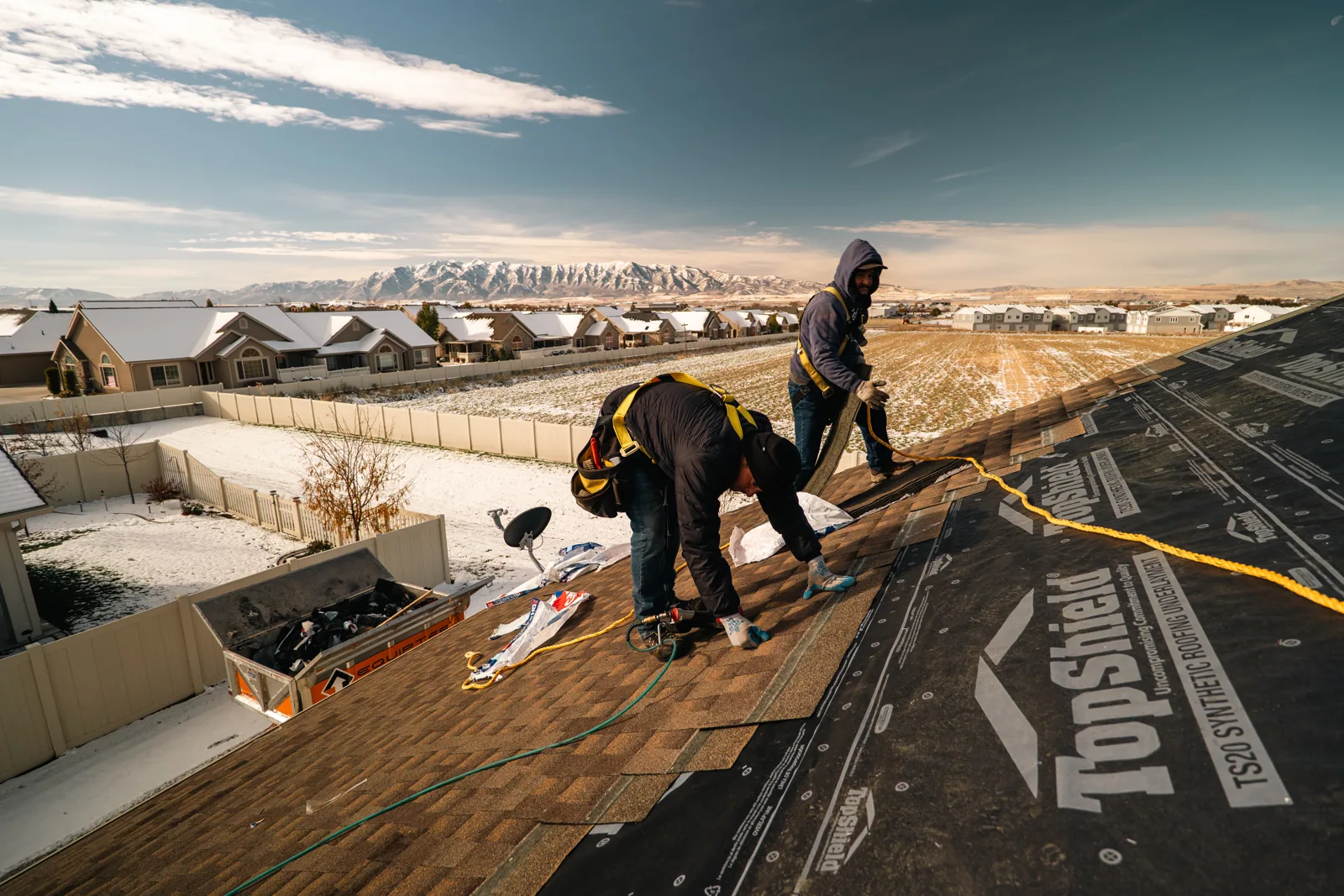
A loose corner at a rooftop unit can defeat the benefit of a well-fitted Duro-Last membrane. We inspect the curb, welded flashing, field seam, and nearby insulation before deciding whether the detail can be repaired. Duro-Last makes PVC roofing membranes and offers custom fabrication for certain roof details, which can reduce field seams when the project design and measurements allow. Field seams still need inspection. At Midway South Industrial Park, manufacturing and distribution buildings follow active schedules, so access and equipment coordination matter during an inspection. Carrollton's spring storms also make perimeter and penetration details worth checking after severe weather.
Duro-Last uses PVC membrane and custom fabrication for selected roofing components. Factory fabrication can move some detail work away from the roof, but field seams, perimeter transitions, curbs, drains, and later repairs still need proper installation. We identify the membrane and inspect the fit of each fabricated piece against the roof geometry. At a curb, we look for secure welds, tight corners, sound termination, and any movement where the equipment support meets the roof.
We check product markings, submittals, and repair history before selecting materials. The installed seam needs to be clean and continuous, and a repair has to tie into stable membrane. A PVC roof inspection checks the field and transition details together so the scope follows the actual assembly.
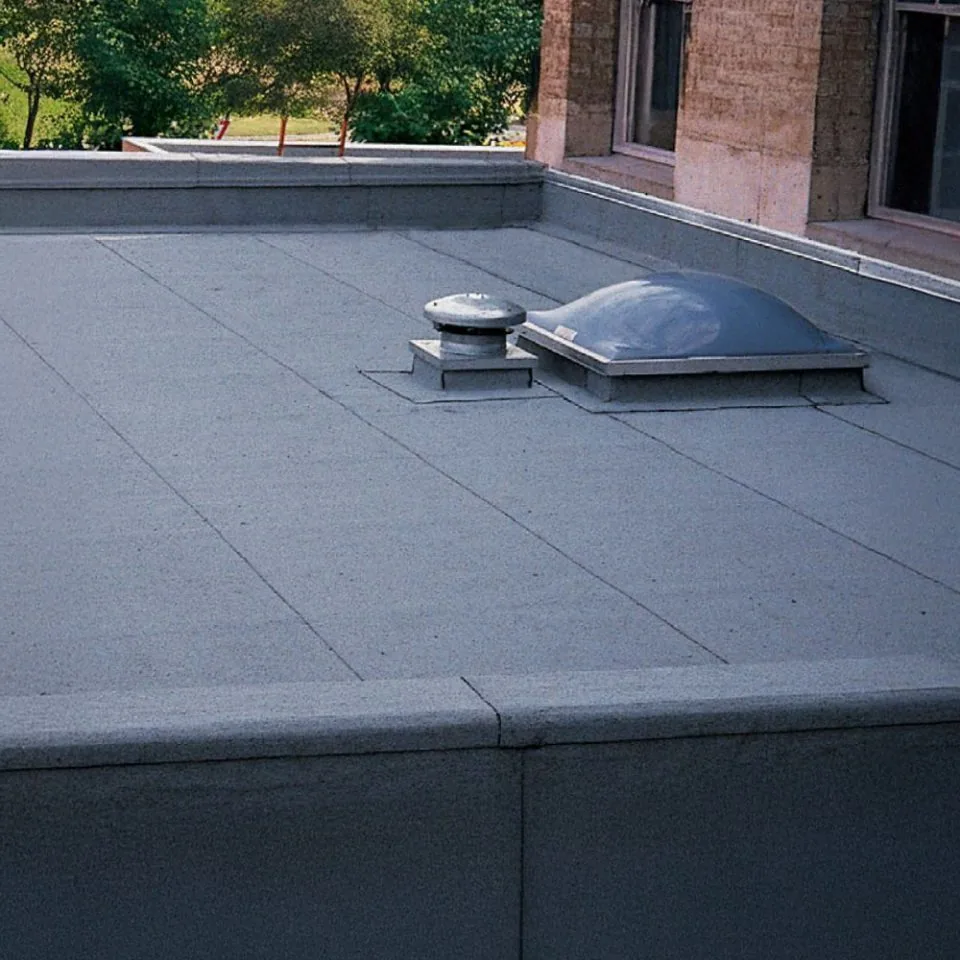
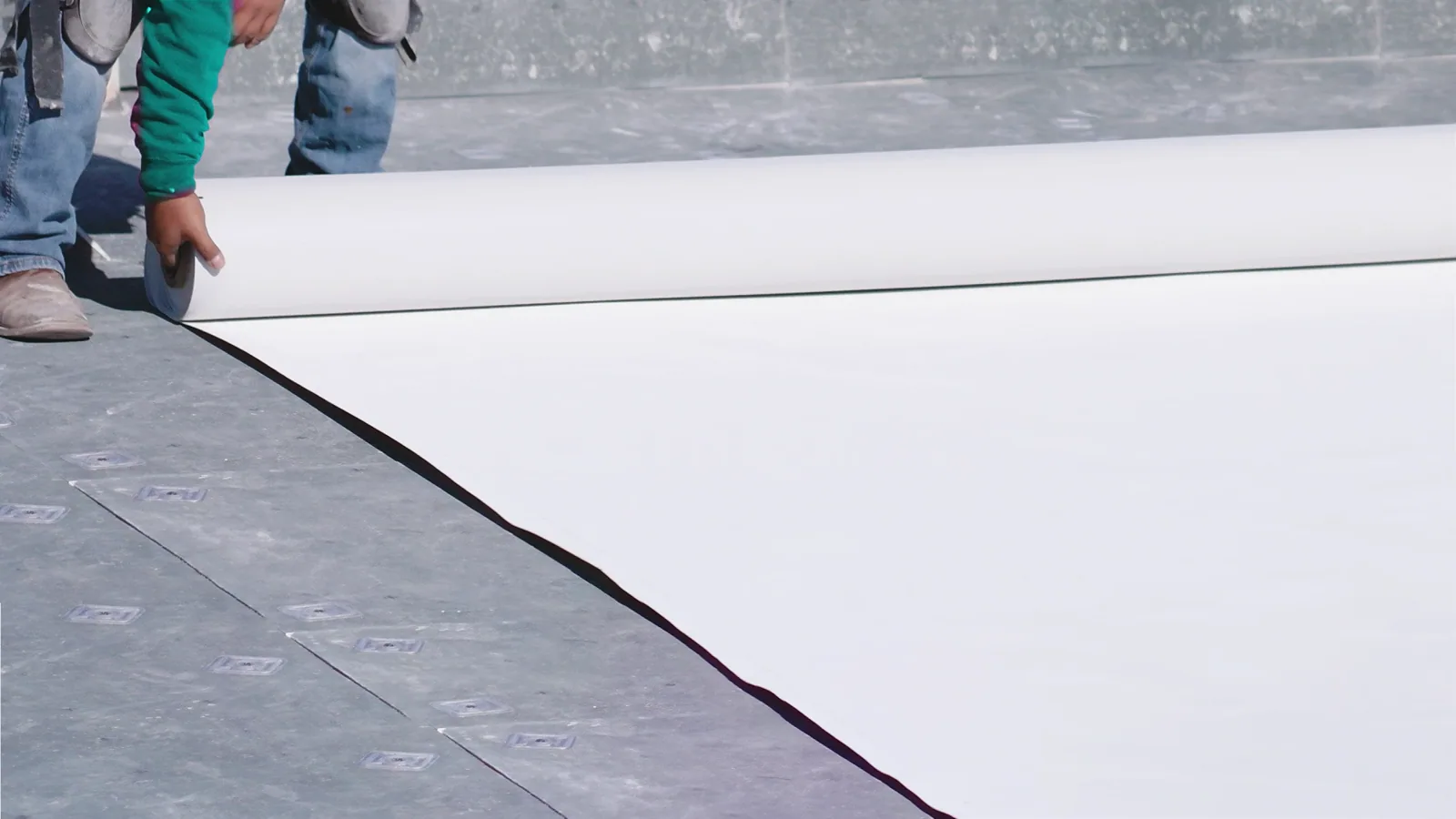
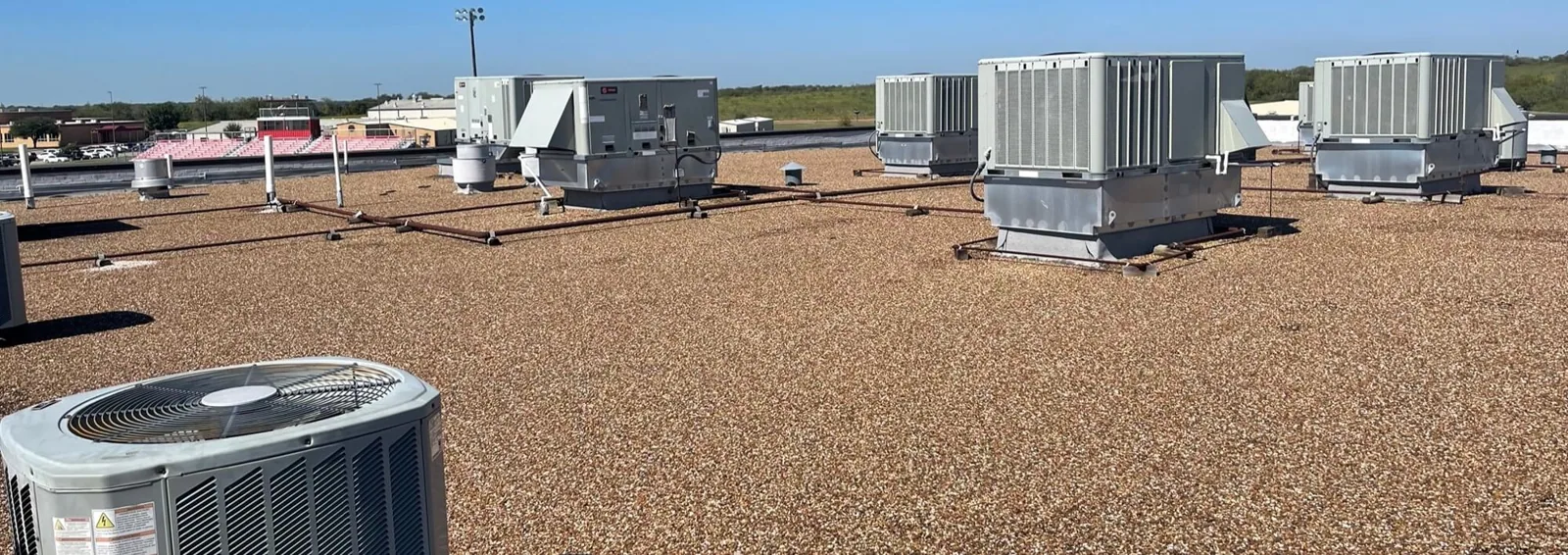
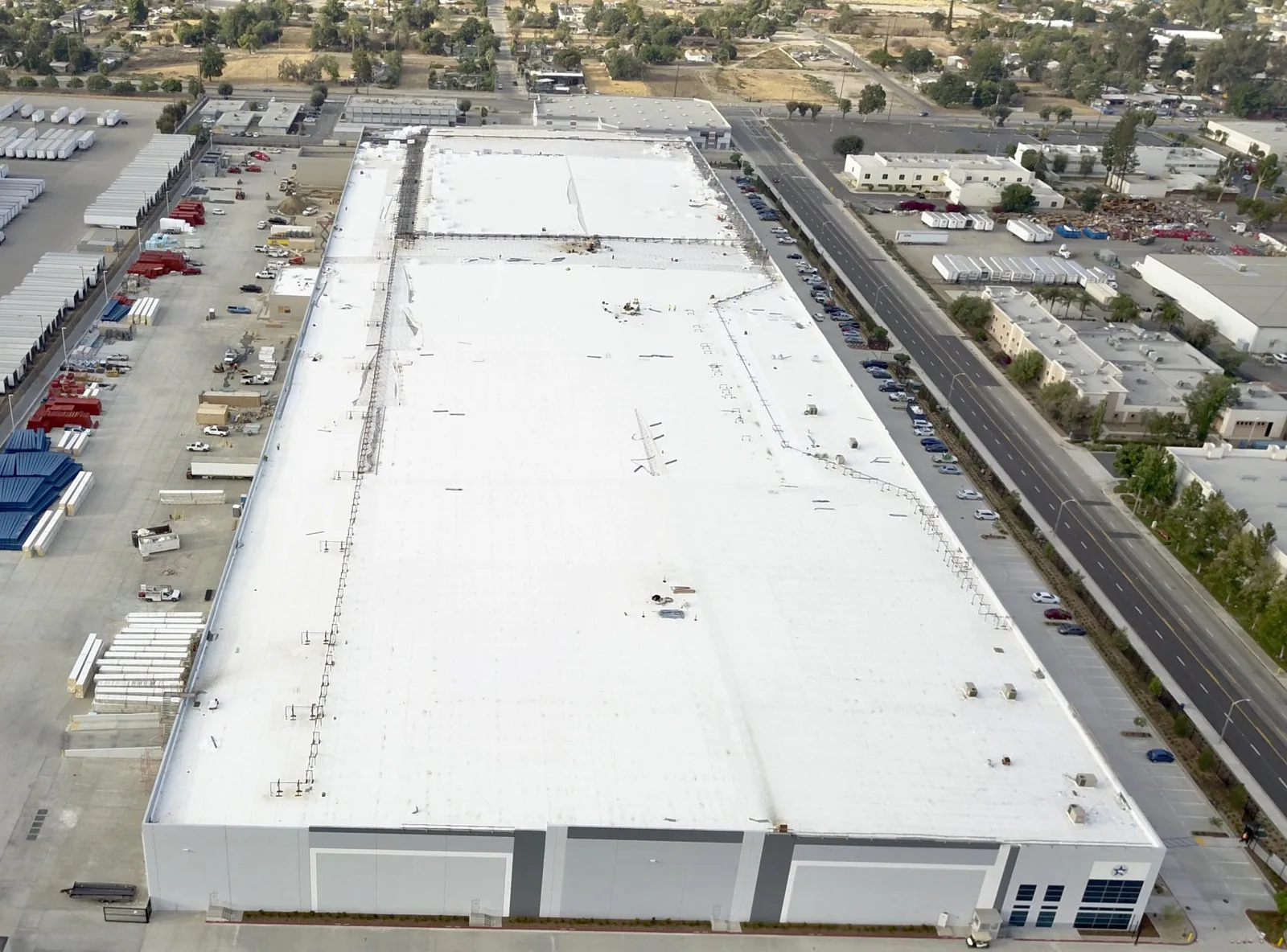
On a PVC roof, the seam is only one part of the water barrier. We examine field welds, end laps, patches, pipes, drains, wall flashings, and rooftop equipment curbs. A seam probe can identify a channel or edge that did not bond fully. If the opening reaches a corner or prefabricated boot, we inspect the full transition rather than placing a flat patch over the symptom. The repair limit should end at sound, well-bonded sheet.
Penetrations can move as equipment operates or as the roof expands and contracts. We look for stress, wrinkles, loose fasteners, and gaps where flashing meets the curb. Dallas-Fort Worth's hot summer periods, with July and August highs often at or above 100 degrees, increase the need to check the assembly after temperature cycling. If a curb detail is the likely source, a rooftop curb inspection records the support, flashing, and adjacent field membrane in one visit.
Water that remains at a low point can obscure a seam or make a small surface defect harder to trace. We check roof slope, drain bowl, strainer, scupper, and overflow path, then compare the layout with any interior leak marks. The roof may need cleaning, a drainage correction, a membrane repair, or a combination. We do not assume the water entry sits directly above the ceiling stain.
Moisture below the sheet may require infrared scanning or a targeted test cut. A scan helps identify temperature patterns for follow-up, while a cut can confirm layers and wet insulation at a selected point. Each opening is recorded and closed before the crew leaves. If the insulation is wet across a broad area, a surface patch will not restore the assembly. Our infrared moisture survey can map areas for closer verification, and a condition report can preserve locations and findings for a larger repair decision.
Spring is the busiest severe-weather period across the Dallas-Fort Worth Metroplex; hail and damaging wind are recurring regional roof exposures. After a storm, we inspect the membrane for punctures or cuts and check the perimeter, metal edge, penetrations, and prefabricated flashing for displacement. A dent or scuff does not automatically mean the membrane has lost water resistance. We photograph the area, mark its location, and connect the finding to a repair recommendation.
Wind can lift an edge and leave an attachment issue beyond the most visible damage. We follow the perimeter inward, inspect seams near corners, and look for debris impact or loose rooftop accessories. If water entered, temporary protection may be needed before a permanent repair is scheduled. Our storm damage roof service documents the affected zones, separates immediate protection from permanent work, and records what needs follow-up after the next weather window.
A local Duro-Last repair can work when the membrane is stable, the surrounding welds hold, and the insulation below is dry. We prepare the surface using the compatible method, install the prescribed PVC patch or detail, and check the finished weld. The scope should name the affected roof zone and the transitions included. If sheet movement, wet insulation, or repeated failures extend beyond that boundary, we explain why a broader repair may be needed.
For recover or replacement, we check the existing layers, substrate, attachment, drainage, roof height, and project requirements. Replacement can revise insulation and curb details; recover requires an assembly sound enough for another system. Warranty conditions follow the relevant issuer's current documents. We do not treat the membrane name as evidence of coverage. Managers can compare Sika Sarnafil PVC products and Versico membrane systems as separate product options, with the building's roof plan and specification guiding selection.
Midway South Industrial Park includes manufacturing and distribution businesses. The facility contact identifies its access and equipment constraints before we plan work. The manager should identify units that cannot be shut down, loading routes, overhead hazards, and areas where a lift cannot be placed. We plan a route and mark the work zone before carrying materials onto the roof.
For repairs that require opening the membrane, we establish a same-day close-in point and stage compatible materials before cutting. Weather and substrate conditions determine how much area can be completed in one shift. We keep the exposed area limited, protect the interior where needed, and document any test opening. Arrange roof access through our Midway South service area. Share leak records, product paperwork, and the operating restrictions so the inspection can answer the right questions without disrupting essential work.
Roof plans, repair invoices, product submittals, and leak locations help us compare records with field seams and details, then note what needs testing. If a repair appears recent, we check its edge and the substrate around it rather than assuming it solved the original condition. The report ties each observation to a location and a practical next step.
Heat, spring storms, and winter freeze-thaw can expose weak welds, drains, edges, and curb details in Carrollton. We will inspect the Duro-Last assembly, mark any repair boundary, and discuss whether the evidence supports repair or a broader project. Trinity Mills Industrial includes named manufacturing and supply businesses near a transit hub. We confirm each property’s loading and tenant-access rules with its manager. The property manager can arrange access and flag operating limits. Our roof condition report service can preserve the findings for maintenance and capital planning.
Duro-Last offers custom fabrication for selected roofing components. The project design and roof measurements determine which details can be supplied that way. Field seams and transitions still need to be fitted, welded, and checked on the building.
A local repair is possible when stable membrane surrounds the damage and the assembly below is dry. We check the weld, flashing, attachment, and nearby insulation before marking the repair limit. Moisture or widespread deterioration can change the recommendation.
Fabrication can reduce some field work, but the finished detail depends on fit, welding, termination, and movement at the curb. We inspect the whole connection and adjacent membrane. If water is entering, we trace its path before deciding where the repair belongs.
We check for punctures, cuts, seam openings, damaged flashing, and displaced edge metal. Each condition is photographed and marked by roof zone. Surface scuffs alone do not establish a functional failure, so we inspect the membrane and its details before scoping work.
We coordinate roof access, loading, equipment restrictions, material staging, and the close-in time with the manager. A repair can proceed in phases when the work area and weather window support it. The plan should protect operations and leave the roof secure at the end of each shift.
RELATED WORK
CALL US
Leaks, storm damage, a failing membrane or a replacement on the calendar: tell us what is happening on the roof and we will set up a visit.
Roofing Manufacturers
Arrange roof access and tell us about equipment, loading, or production limits. We will inspect the welded details, map the repair area, and document the next step.
Call 555-555-5555 or request a roof assessment online.