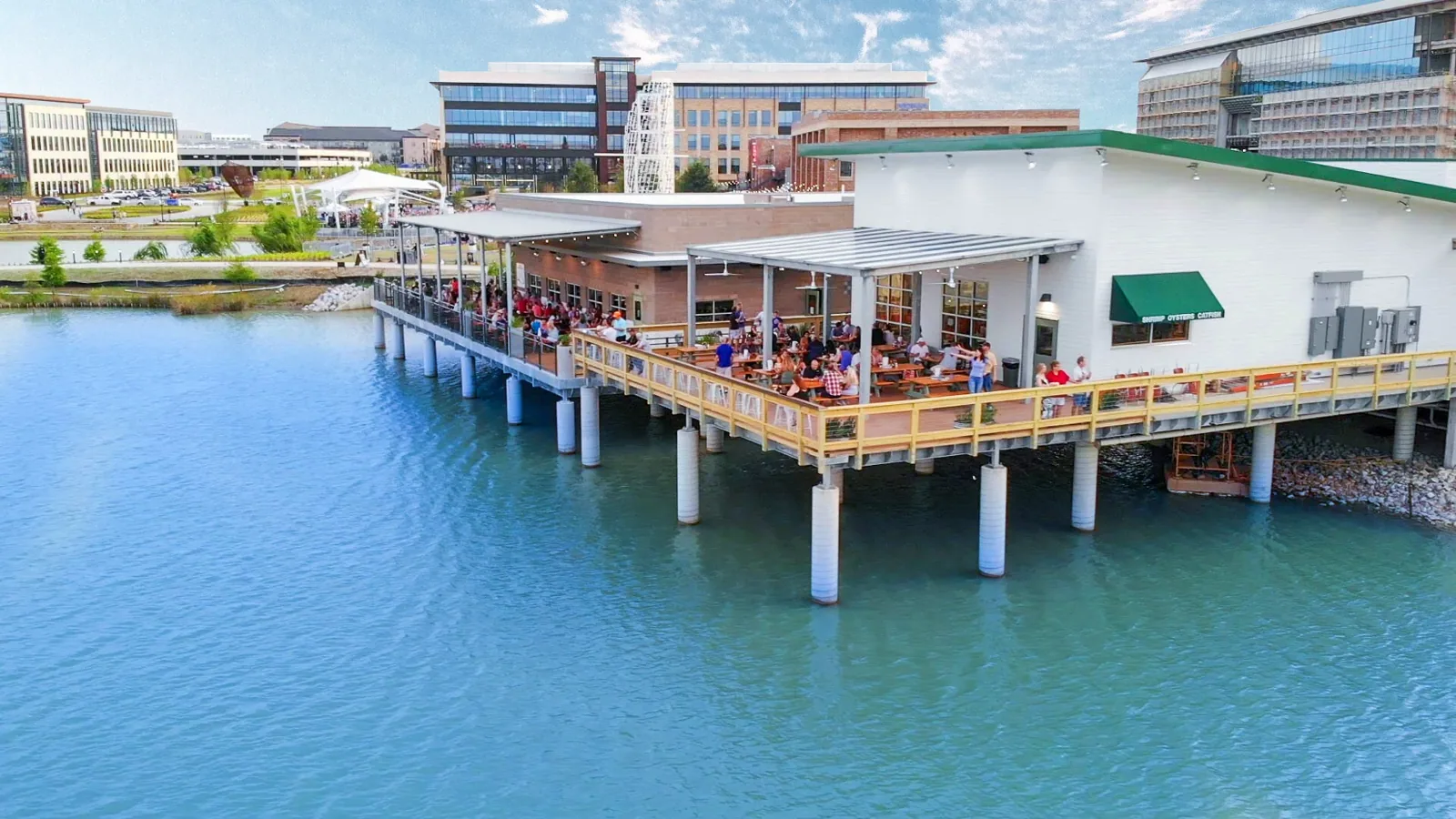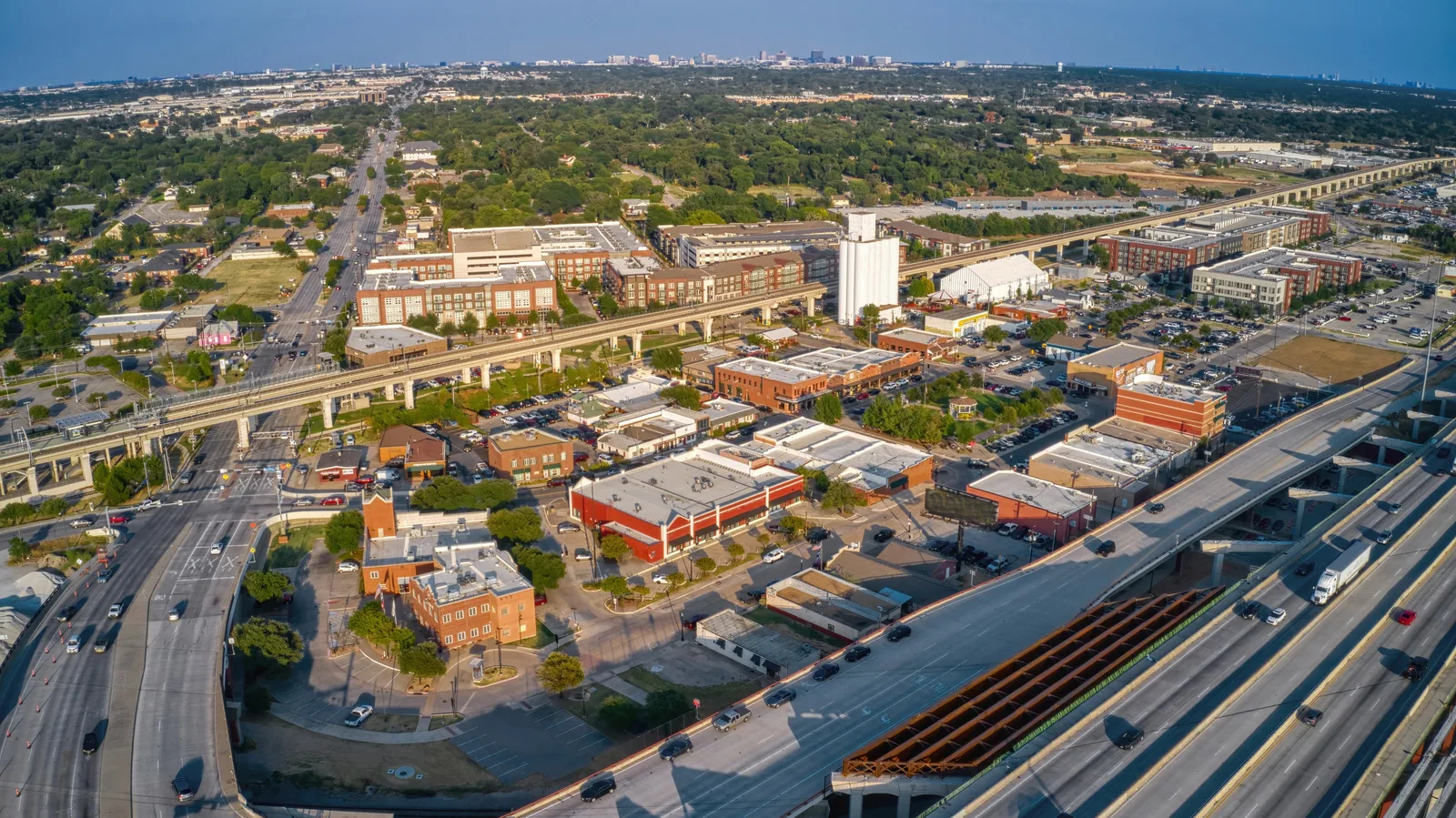
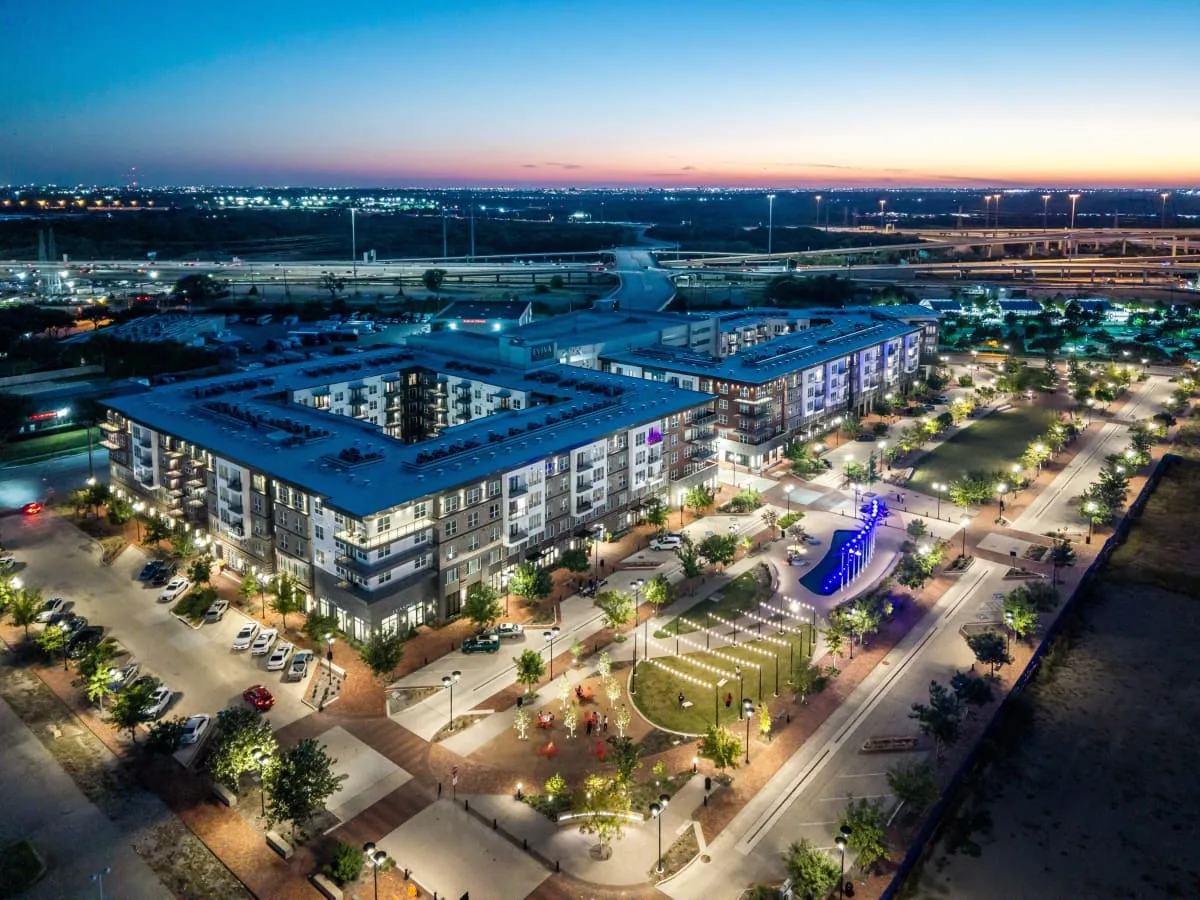
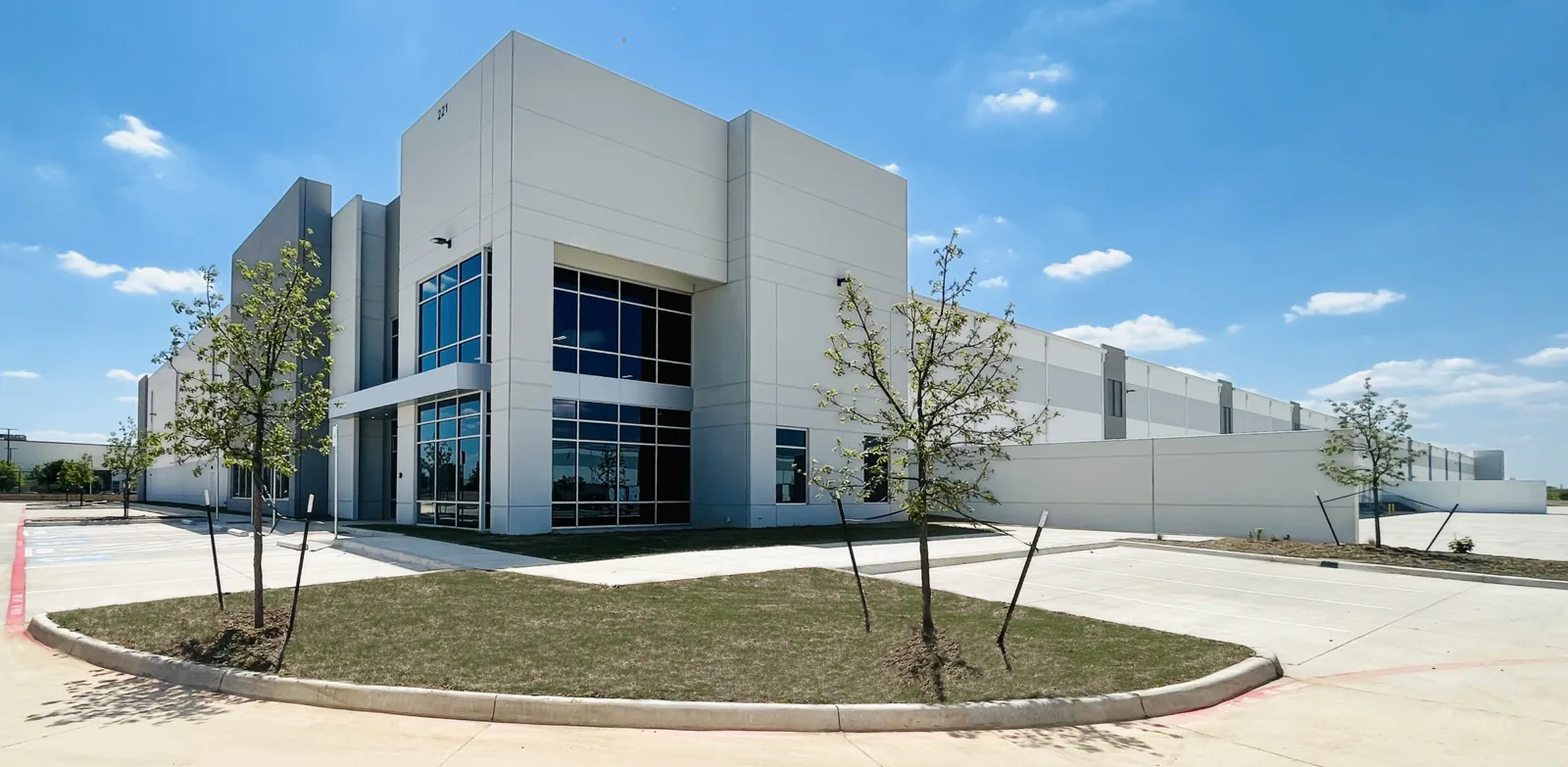
A distribution roof near SH 121 earns a closer look at its loading-side edges, rooftop equipment, and drain paths before a repair scope is set. Austin Ranch is identified in The Colony's comprehensive plan as a corporate-office, distribution, and mixed-use employment area, with properties along the SH 121 and FM 423 corridor. That mix calls for a building-specific roof walk. We identify the assembly, mark the observed condition, and plan access around the property operation rather than treating the district as one uniform property.
The city's plan includes office, retail, residential, and logistics properties in Austin Ranch, with Edward Don and Pizza Inn facilities named in its account of the area. Those uses can bring different roof details and operating limits. A manager overseeing a logistics building may need the inspection arranged around receiving activity; an office or retail property may have a different access route and occupant schedule. We confirm those facts with the property contact before choosing where the roof walk begins.
At the roof, we record membrane and metal transitions, curb flashings, seams, penetrations, edge conditions, and drainage. We look at how each detail connects to the next, because a small split beside a curb can move water across insulation before it reaches a ceiling. A marked photo gives the repair team a location and gives the manager a record to compare during the next inspection. Our commercial roof inspection documents the observed condition and distinguishes a repair item from an area that needs closer testing.
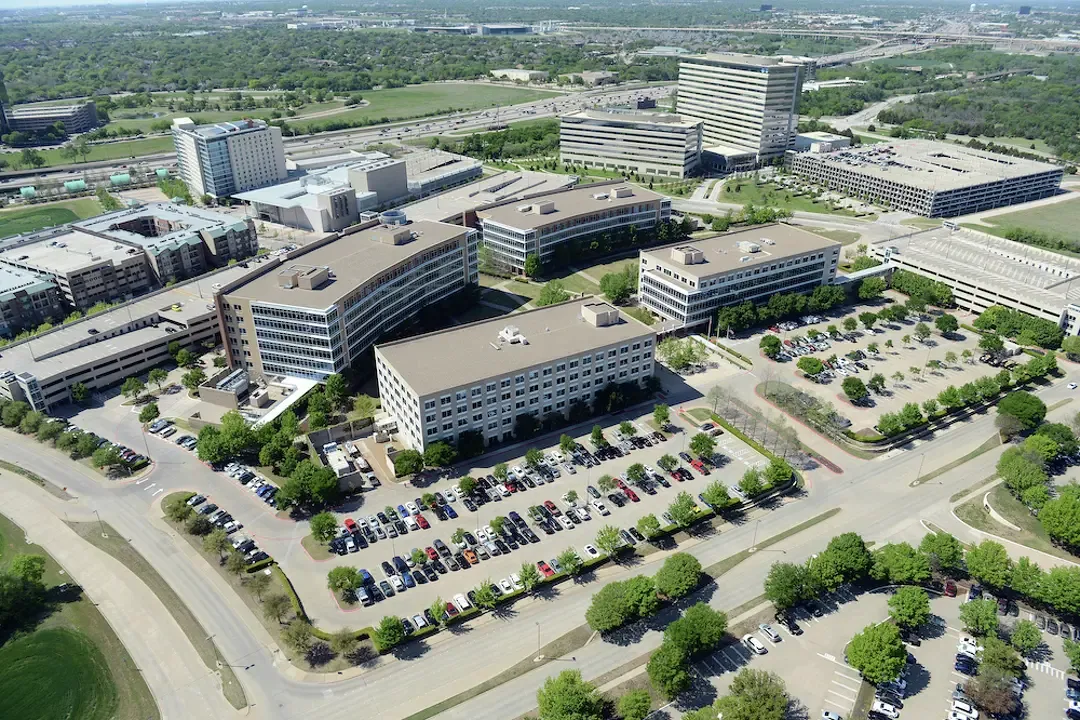
On a low-slope roof, a clear drain throat is only part of the check. The bowl, clamping ring, membrane around the opening, and path to the drain all need to work together. We look for debris, loose flashing, open seams, and ponding that remains after routine rainfall. If a downspout or scupper serves the roof area, we check its connection and discharge as well. Water held at a detail can add repeated wetting to a seam or edge that already needs repair.
Interior marks help narrow the search, but they do not identify the entry point by themselves. We compare stains with roof penetrations and transitions above, follow the likely route across the assembly, and note any earlier patches. Where moisture may extend beyond the visible mark, an infrared moisture survey can help select test locations. A test cut then confirms the assembly condition. The written finding should say which areas were inspected, what the test established, and where additional investigation would change the scope.
The Dallas-Fort Worth region sees severe weather most often in spring, including hail, damaging wind, flooding, and tornadoes. Hot summer afternoons add thermal stress, while winter weather brings freeze-thaw exposure rather than a season of sustained snow loading. Those conditions can reveal different weaknesses: impact marks on a membrane, a lifted edge, movement at a metal lap, or water held against a detail after heavy rain. We connect each observation to its location and surrounding conditions before recommending work.
After a storm, the first decision may be temporary protection while the surface is safe to inspect. The permanent repair scope can follow when wet material, loose metal, or damaged flashing can be assessed directly. Photos should show scale and nearby details, not only a close view of a mark. We can provide storm damage roof repair, document visible conditions, and identify areas that need confirmation before an insurance or capital decision. Emergency response is available every hour of the week, including holidays, for active water entry.
A localized puncture, an open seam, and saturated insulation are different problems. A patch may suit an isolated surface failure when the surrounding membrane is sound and the repair material bonds to a properly prepared surface. A seam repair needs compatible materials, secure adhesion, and a termination that does not leave another water path. If damage reaches insulation or deck, the repair limit may need to extend beyond what is visible from above. We explain the finding and proposed limit before work begins.
Restoration or coating can be considered when the existing assembly is dry and stable enough for the system, and when the details can be prepared and reinforced. A coating does not correct a failed drain, weak attachment, or concealed wet insulation. Replacement may make more sense where the roof has recurring failures or broad damage. For each option, we describe the prep, access needs, close-in sequence, and what conditions would change the recommendation. A roof coating restoration scope should state where the system is suitable and what must be repaired first.
A roof repair can affect deliveries, employee movement, tenant access, and equipment use below. Before scheduling, we identify the hatch or ladder, roof access rules, any areas that cannot be crossed, and the hours when work above an active operation is acceptable. The SH 121 and FM 423 corridor helps locate Austin Ranch within The Colony; it does not tell us a particular property's entrance, loading pattern, or roof access. Those details come from the site contact.
For occupied buildings, the work plan should name the roof area, material staging point, expected interruptions, and method for protecting the interior if weather changes. When an opening must remain exposed during a repair, the close-in step and weather hold point need to be clear. We can sequence work by roof area so the manager knows which portion is active and which is ready for use. Our occupied-building reroofing plan addresses that sequence for larger projects.
A useful report answers practical questions: where is the concern, what supports the diagnosis, what repair is appropriate, and what would make a broader project necessary? We organize marked photographs with short notes on the roof area, detail, and recommended action. If a test cut was made, the report records what was found and how the opening was closed. That gives a property manager a basis for comparing work across future inspections without relying on a memory of where a crew walked.
Austin Ranch spans office, retail, residential, and logistics uses, so the roof record should stay attached to the individual building. Share the property contact, access requirements, active leak location, and any delivery or tenant restriction before the walk. We will review the roof, explain the condition in plain terms, and set out repair, restoration, or replacement steps that fit the assembly. For nearby planning, the Crown Centre Lewisville service area and Grandscape service area also reflect distinct property settings along the broader corridor, each with its own access and roof details.
The Colony's plan describes office, retail, residential, and logistics properties in the district, including Edward Don and Pizza Inn facilities. We confirm the individual building use and access conditions with the property manager before planning a roof walk.
Yes, after we agree on access, hours, fall-protection requirements, and any loading or tenant constraints. The inspection route can then avoid restricted areas and document roof findings without assuming the site follows a standard schedule.
We inspect the assembly, repair history, drainage, attachment, and extent of wet material or damage. An isolated defect may call for a targeted repair; broad deterioration or repeated failures can support a larger scope. The report explains what evidence drives the recommendation.
A mark needs to be tied to its location, condition, nearby details, and the roof's material. We document what can be seen and identify when a test or closer review is needed before calling an item storm-related.
The existing surface must be compatible and prepared, and the assembly must be suitable for the proposed system. We check seams, flashings, drainage, adhesion, and moisture before describing a coating scope. Wet insulation or failed details need correction first.
RELATED WORK
CALL US
Leaks, storm damage, a failing membrane or a replacement on the calendar: tell us what is happening on the roof and we will set up a visit.
Service Areas
Share the building use, roof access point, active leak locations, and any loading or tenant restrictions. We will document the assembly and explain the repair path before work is scheduled.
Call 555-555-5555 or request a roof assessment online.