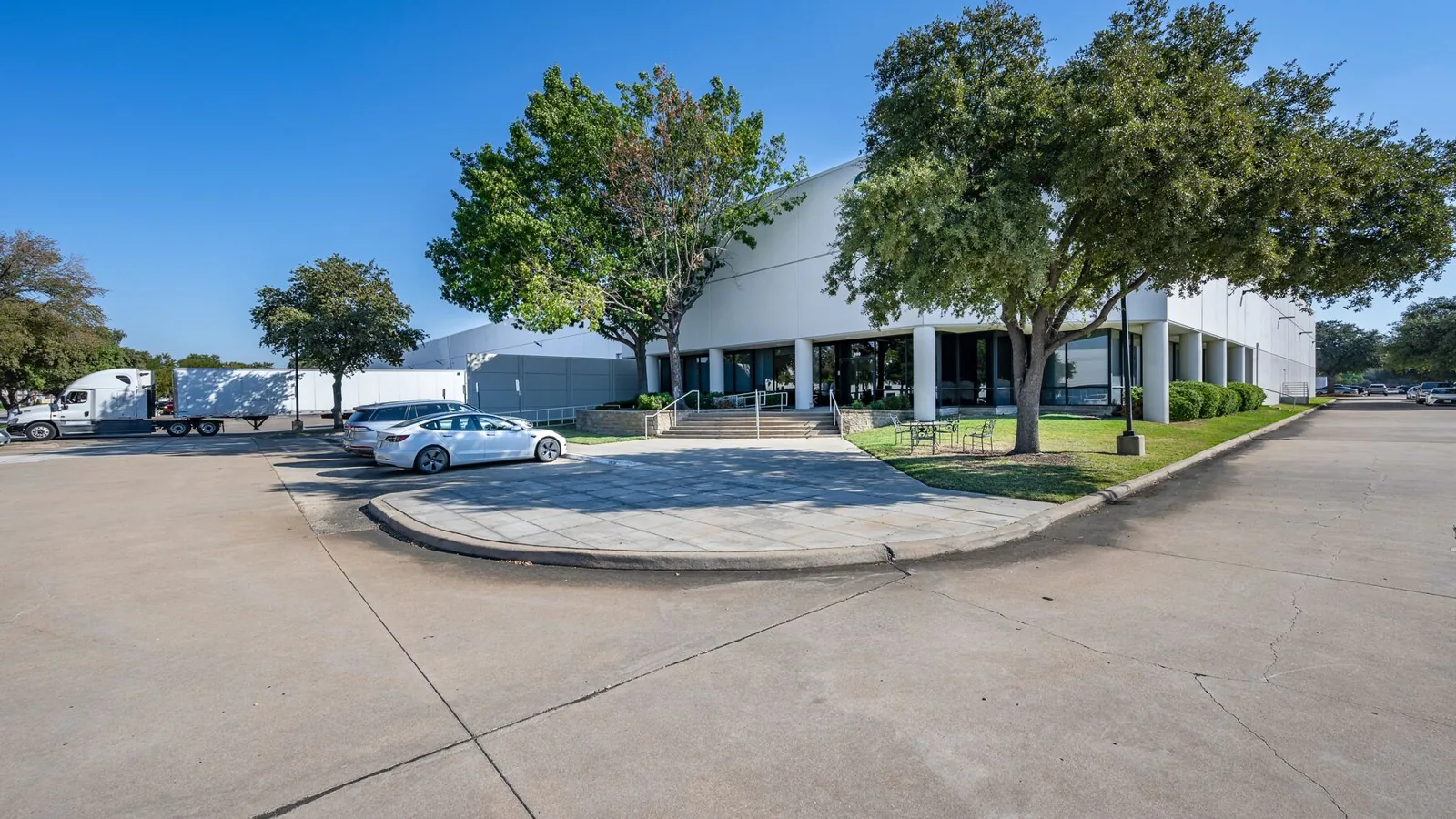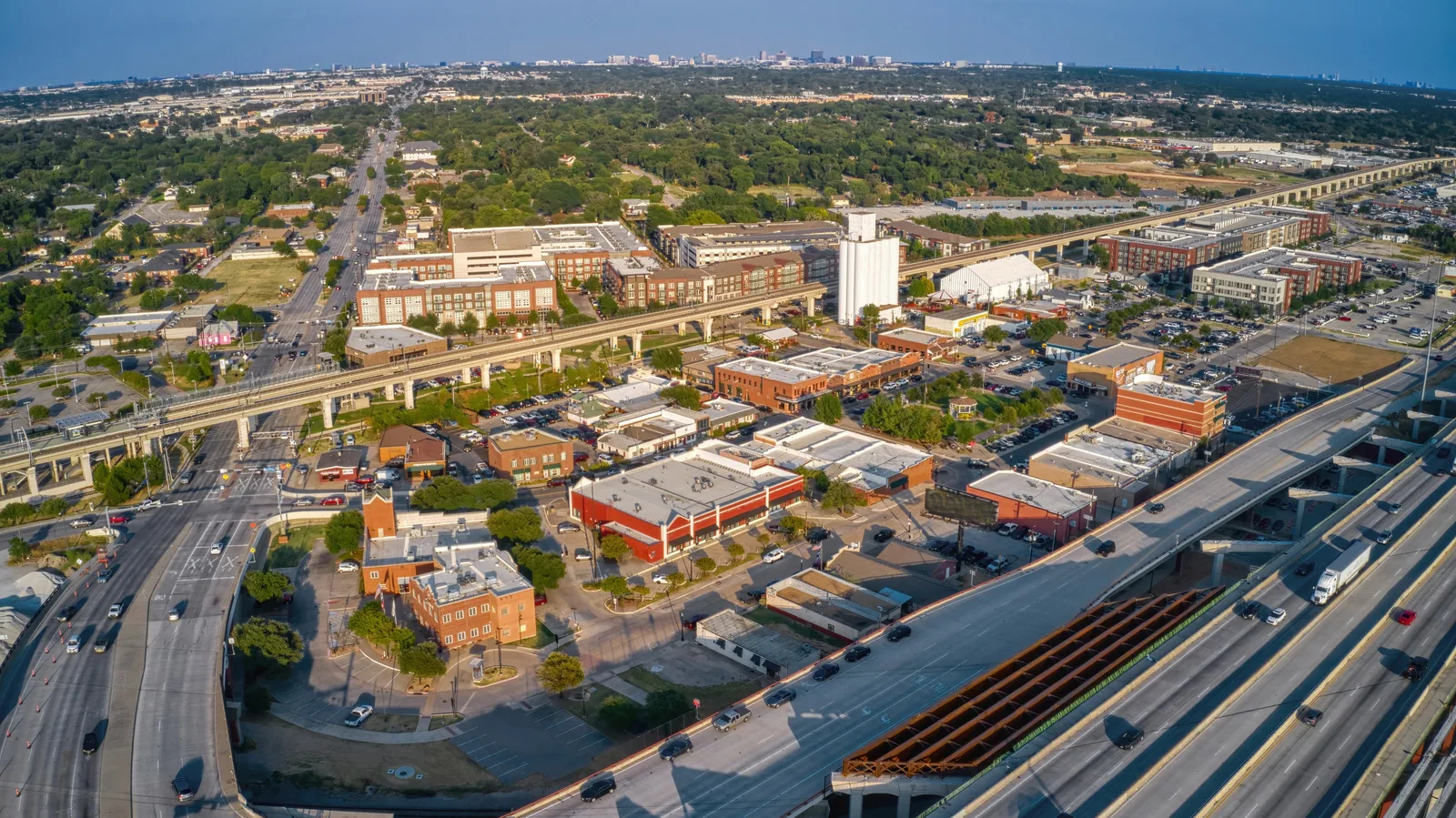
A patched seam can hide an older failure where one roof layer meets a wall or curb. In Old Town Coppell, the city is working to revitalize existing retail, commercial, and warehouse buildings as part of a broader reinvestment effort. A new arts center is part of that focus. We inspect the individual roof rather than infer its age or condition from the building's place in the district. We check roof layers, drainage, flashing, and prior repairs, then set work around access and current use.
An older building can have several layers of repairs, coatings, or reroof work. We look for membrane seams, old patches, curb flashings, edge metal, drain bowls, and places where the roof changes height. If records exist, we compare them with what is visible today. Missing records do not prevent an inspection, but hidden layers may need a planned test cut before a recover or replacement decision is sound.
Interior leak reports help set the route. We compare the room location with roof slope, wall lines, penetrations, and drains, since water can move beneath roofing before it reaches a ceiling. A soft area or blister may indicate moisture below the surface, but we confirm that before defining removal. Our commercial roof inspection records the system clues, leak path, and any area that needs closer testing. A recover assessment can establish whether the existing layers make a suitable base for new roofing.
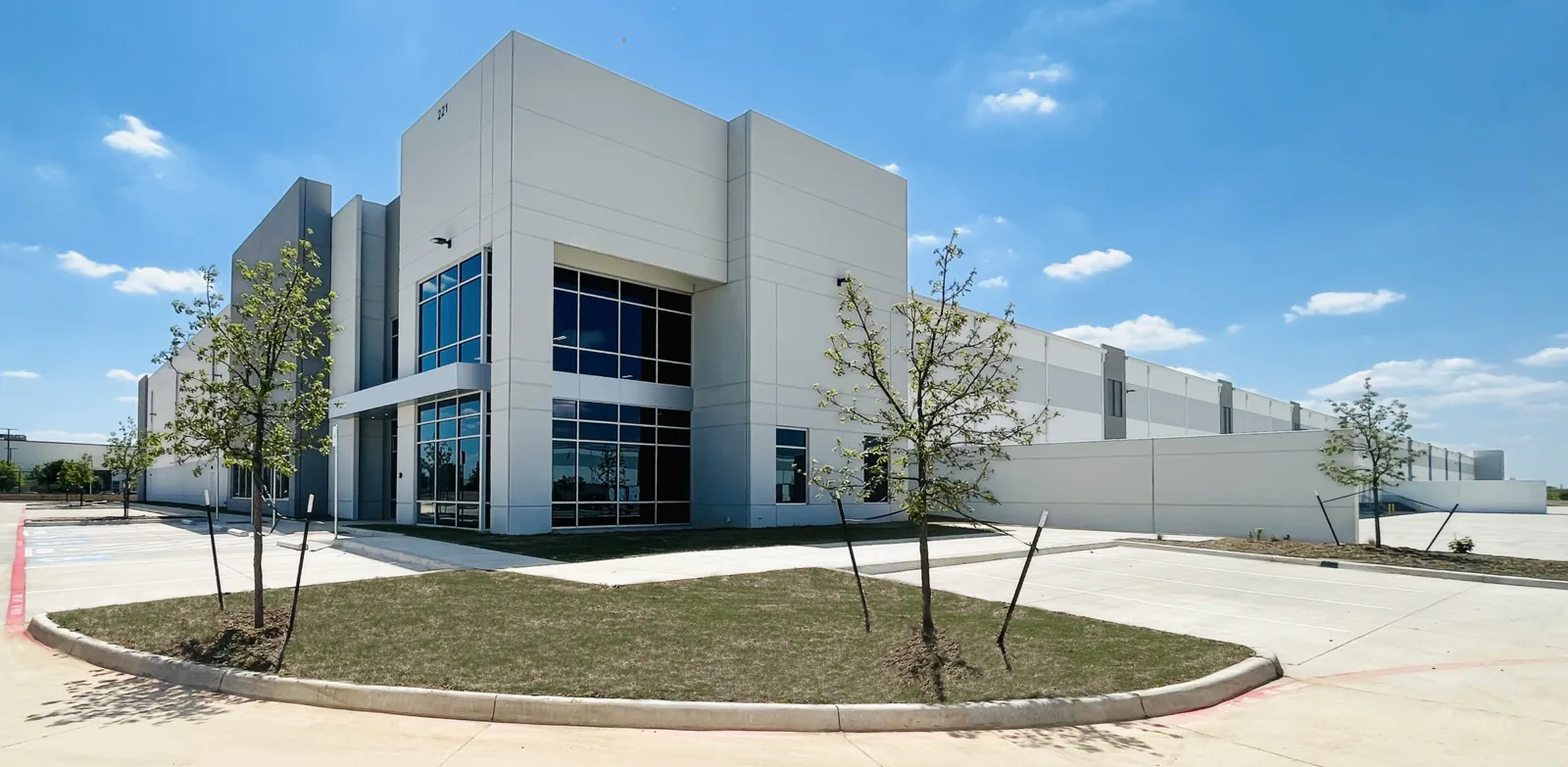
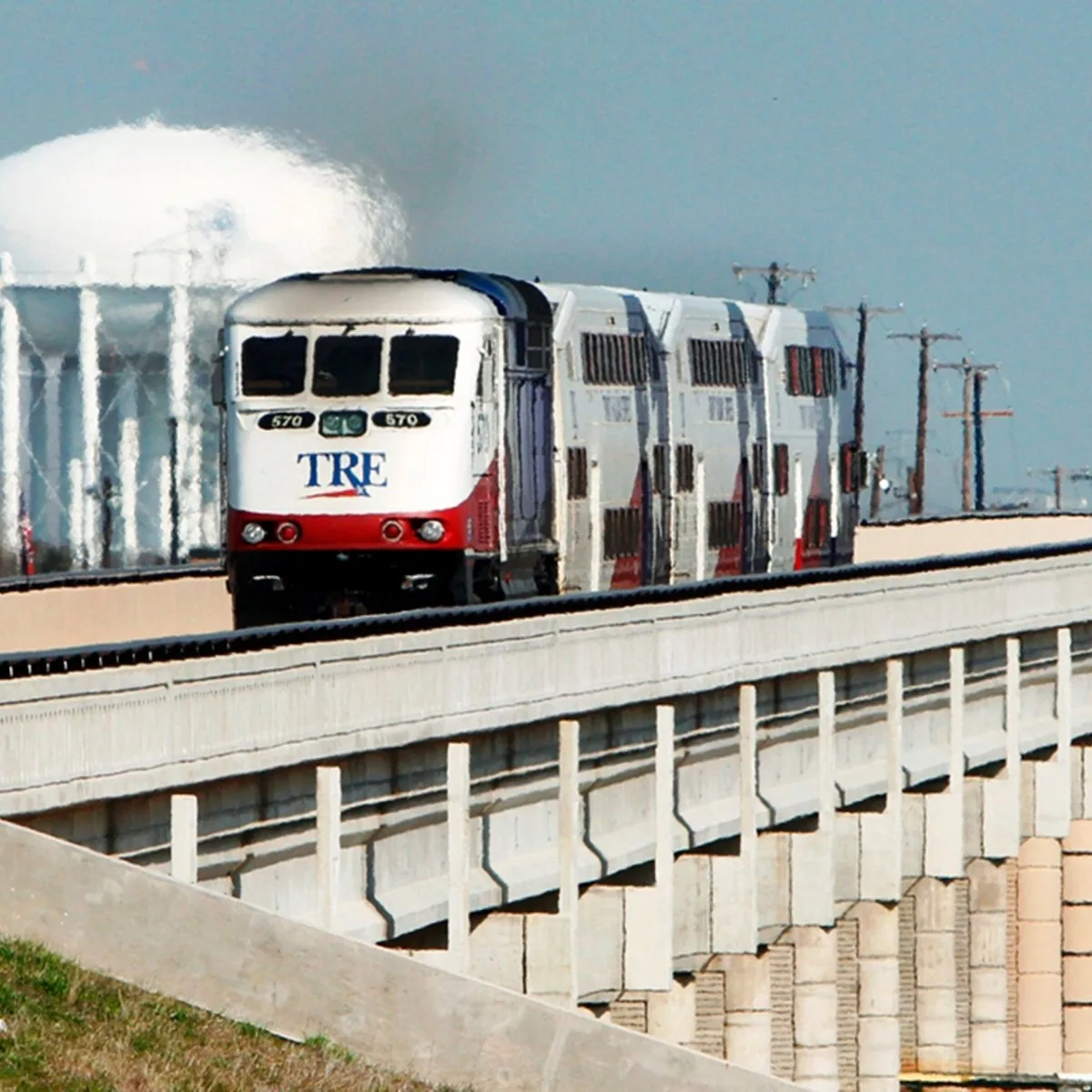
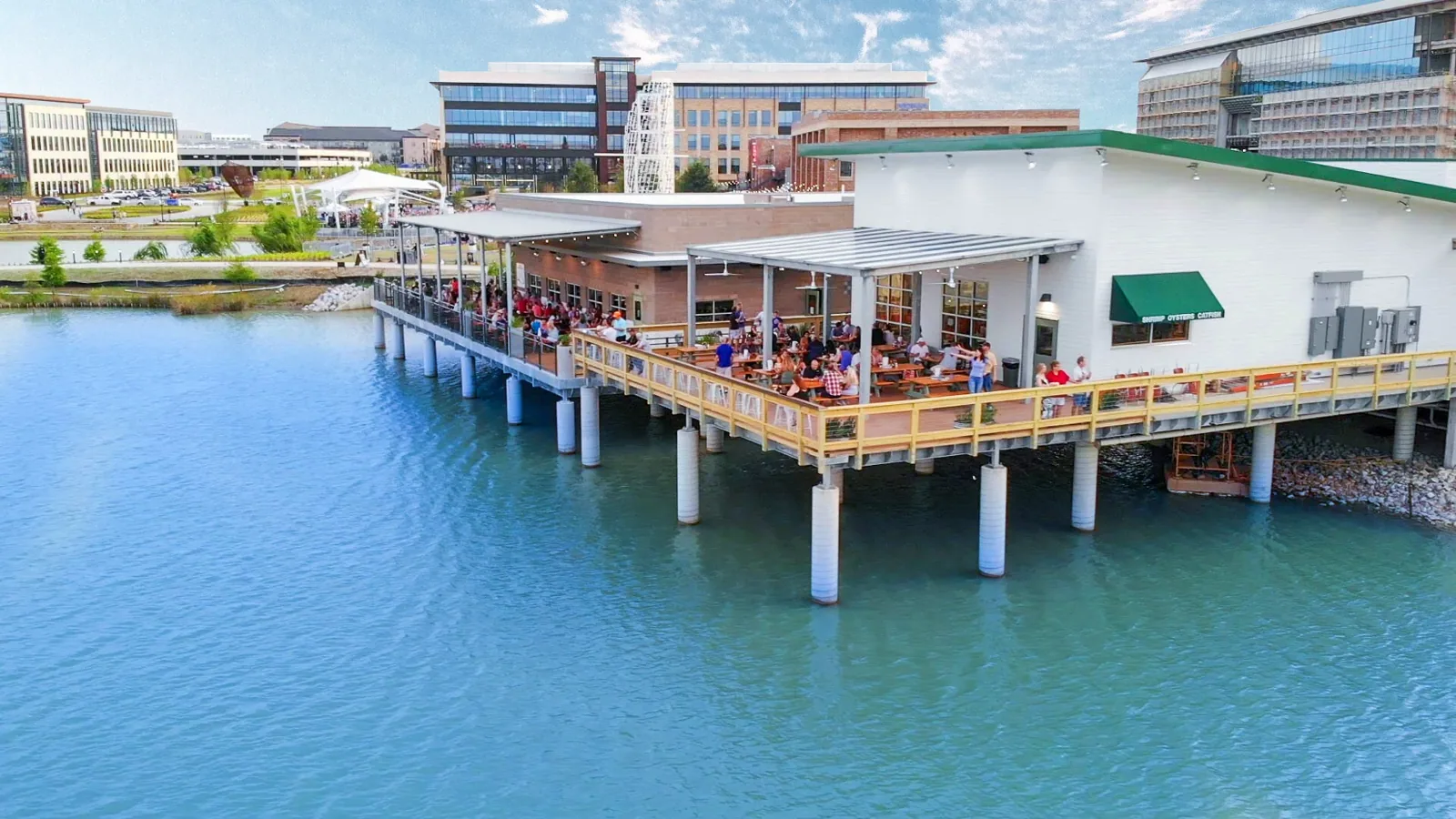
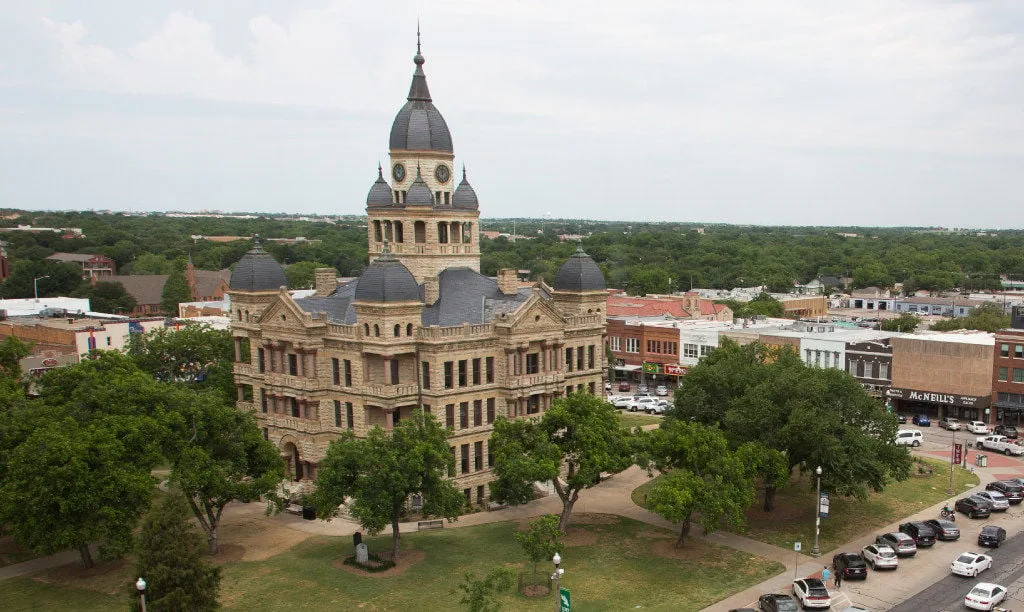
The city's reinvestment work recognizes existing retail, commercial, and warehouse buildings in Old Town as aging stock. That description applies to the area, not to every roof or every property. We assess each building's membrane, metal, insulation indicators, and repair history in the field. One section may need a seam repair while another needs a drainage correction or broader evaluation. A district-wide label cannot replace a roof-zone record.
On an existing retail or commercial property, the manager identifies public entrances, tenant hours, deliveries, and areas that need protection below. For a warehouse building, access may hinge on loading and equipment schedules. We agree on a safe roof route, staging area, and close-in point before opening material. A phased reroof plan can separate work areas and keep building operations in view. If the roof has been coated, we inspect the surface and the transitions beneath it rather than treating a new finish as proof of a dry assembly.
At a parapet, water can pass behind coping if a splice opens or the membrane termination has pulled loose. At a drain, debris or a low point can hold water against the roof field. We inspect the edge, bowl, strainer, slope, and nearby seams, then compare those details with the leak report. If a water mark appears in a different room from the roof opening, we follow the likely route along the deck and insulation instead of patching directly above the stain.
Where the roof layers are uncertain, infrared scanning can help locate areas for closer inspection, and a test cut can confirm moisture or assembly depth. We mark the opening, document what it reveals, and close it securely. A local seam or flashing repair can work when the surrounding roof is stable. For a failed wall, curb, or pipe transition, flashing repair needs to restore the full connection, not simply bridge a gap with sealant.
Dallas-Fort Worth summers bring July and August daytime temperatures in the 90s, often at or above 100 degrees. We check exposed sealant, older patches, membrane turns, and metal joints for heat-related movement. We inspect exposed sealant, older patches, membrane turns, and metal joints for heat-related movement. A hot surface can also affect how a repair material is prepared and applied, so the product instructions and the roof temperature set the work window.
Spring is the metroplex's main severe-weather period. Hail, damaging wind, flooding, and tornadoes occur somewhere in the Dallas-Fort Worth region nearly every year. After a storm, we inspect for punctures, displaced metal, open seams, and damage at curbs or penetrations. A storm elsewhere in the region is not evidence of damage in Old Town; the specific roof must be checked and each finding located. Our storm damage roof review records observed conditions and separates temporary protection from permanent repair.
A contained defect may be repaired when the nearby membrane remains sound and the substrate is dry. We remove loose material, prepare the tie-in, and connect compatible roofing to an area that holds. If the failure extends along a wall or beneath a curb, the work limit follows that connection. Repeated leaks, soft insulation, or several failing seams can point to a broader assembly issue, so we identify what is confirmed and what still needs testing.
Recover and replacement decisions depend on moisture, attachment, layer count, drainage, deck condition, and project requirements. An added layer can be appropriate if the existing roof is a stable substrate; wet or loose layers may require removal. Timing and cost follow the scope, access, material staging, and protection needed below. A roof capital plan can help the owner compare a current repair with a larger project based on field evidence rather than assumptions about age.
The new arts center is part of Old Town's reinvestment focus, alongside ongoing efforts to attract small businesses. We do not assume that its roof, or any nearby roof, has a particular construction. For a specific project, the property contact identifies public access, tenant hours, deliveries, and any events or restricted areas that affect work. We agree where materials can be staged and how people below the repair will be protected.
For open-roof work, we stage the needed material before removing roofing, set the daily work boundary, and close the area securely before the weather window ends. A test opening is photographed and closed on the visit. If a building stays occupied, we can sequence work by section and keep access to active areas clear. A preventive maintenance program can track drains, patches, flashing, and membrane changes after the repair. The manager should share roof plans and prior work notes so the inspection can begin with the right records.
Roof records help owners retain the value of maintenance and capital work as a district changes. We label each inspected zone, photograph the same seams and drains at repeat visits, and record repair material, location, and any follow-up item. That makes it possible to compare conditions instead of relying on a single ceiling stain or a general statement that the roof is old. Any unknown layer or untested area stays identified in the written report.
Where a portfolio also includes Cypress Waters or Farmers Branch Station District, we keep those property records separate from Old Town Coppell. Each location has its own access route, use, and roof condition. A roof condition report gives the manager a dated reference for the next inspection and a clear list of work to price or schedule.
No. The city's description applies to existing retail, commercial, and warehouse stock, not to the condition of a particular roof. We inspect its layers, drainage, flashing, and repairs before deciding whether work is local or broader.
Possibly. We check moisture, attachment, layer count, drainage, and project requirements first. If the existing roof is wet or unstable, removal may be needed before another system is installed.
We coordinate access, deliveries, public routes, and protection below with the building manager. The crew stages materials, marks a limited work area, and secures each opening before leaving the roof.
The local reinvestment focus does not identify an installed roof assembly. For a specific building, we review its plans and field details, then scope repairs or construction work to the applicable documents.
Prior repair invoices, roof plans, leak locations, and any product or warranty paperwork help. We compare those records with visible seams, flashing, drainage, and layers, then document what the roof walk confirms.
RELATED WORK
CALL US
Leaks, storm damage, a failing membrane or a replacement on the calendar: tell us what is happening on the roof and we will set up a visit.
Service Areas
Share roof plans, repair history, access rules, and any tenant or public-area limits. We will inspect the assembly and document a repair scope based on what the building shows.
Call 555-555-5555 or request a roof assessment online.