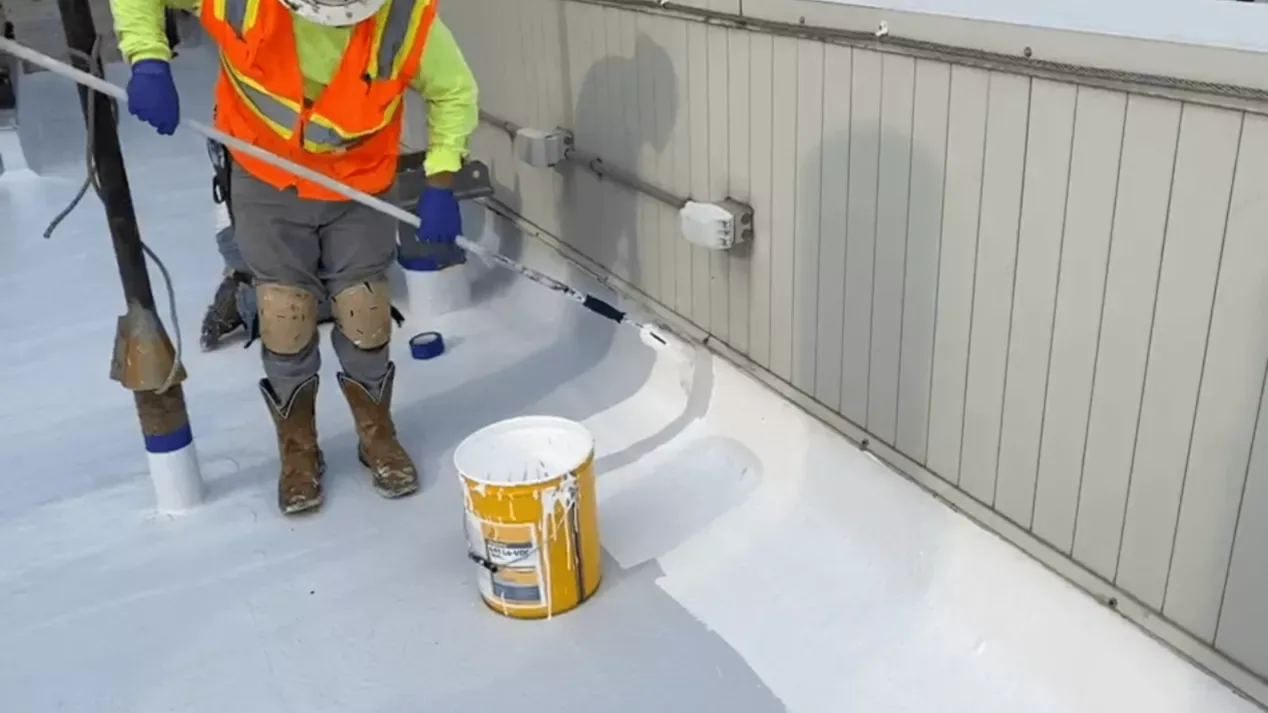
A hot-air weld at an EverGuard lap should be continuous, clean, and tied into the field sheet without an open channel. GAF commercial roofing in Carrollton, TX starts with the installed assembly, roof condition, and the details that will carry water to the drain. We identify whether the existing system is TPO, PVC, KEE, or another assembly, then check seams, flashings, and terminations before a repair or replacement is scoped. Product name alone does not set the repair method.
GAF’s commercial single-ply line includes EverGuard TPO and PVC membranes, including KEE options and different attachment configurations. TPO and PVC seams are heat-welded, while the assembly can be mechanically attached, adhered, or installed with an approved induction-welded approach. The building’s substrate, roof geometry, wind design, equipment layout, and exposure help determine which system details are appropriate. We inspect the deck and existing layers where they are accessible before assuming a recover is suitable.
Carrollton’s summer heat and high sun exposure put attention on membrane surface, seam quality, and flashing transitions. Valwood Industrial Park includes manufacturing and distribution properties, but the district’s size does not tell us what membrane sits on an individual roof. A Valwood roof inspection begins by confirming the building and system. For a similar thermoplastic option, Carlisle SynTec membrane systems also use heat-welded TPO and PVC details.
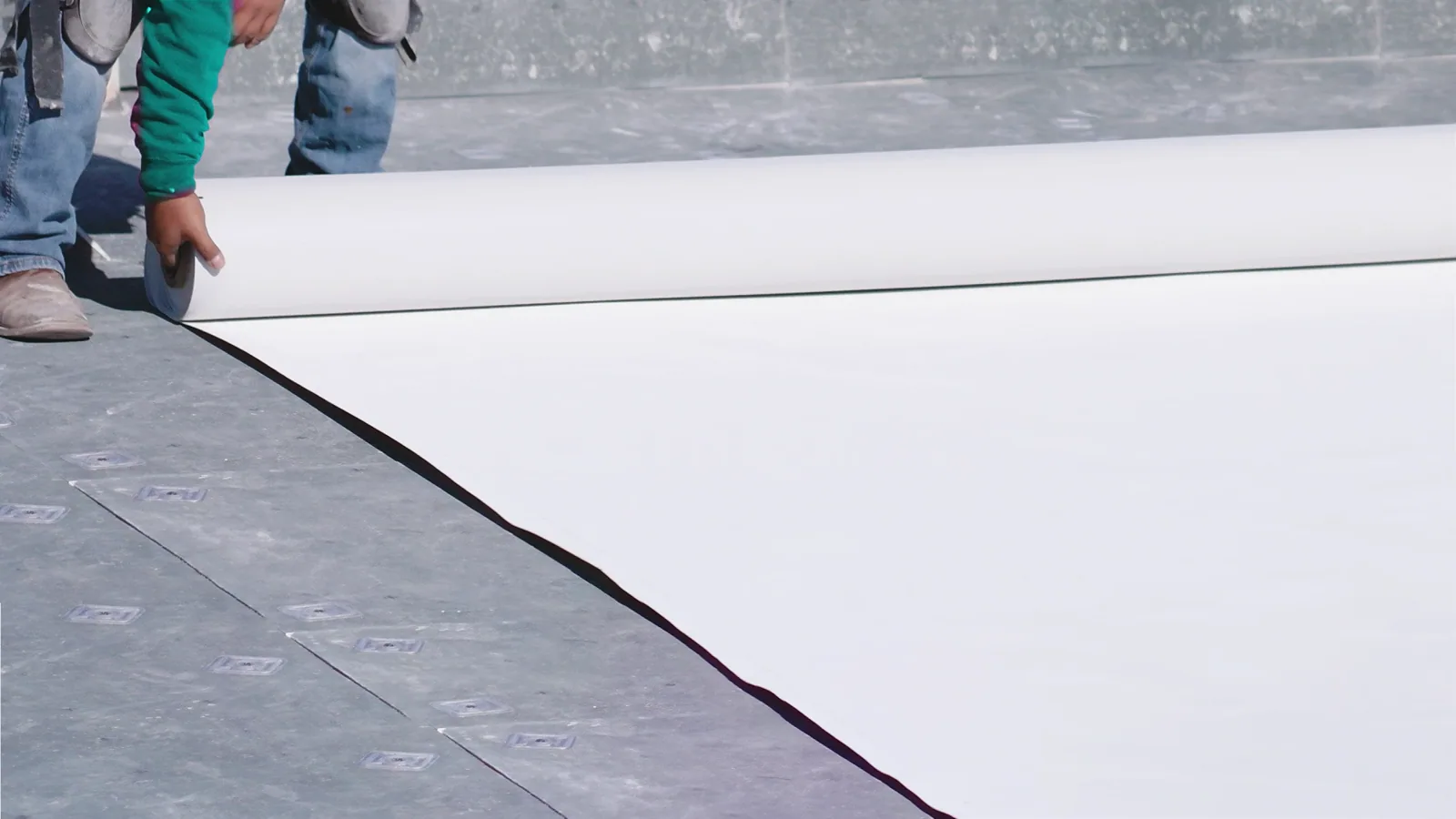
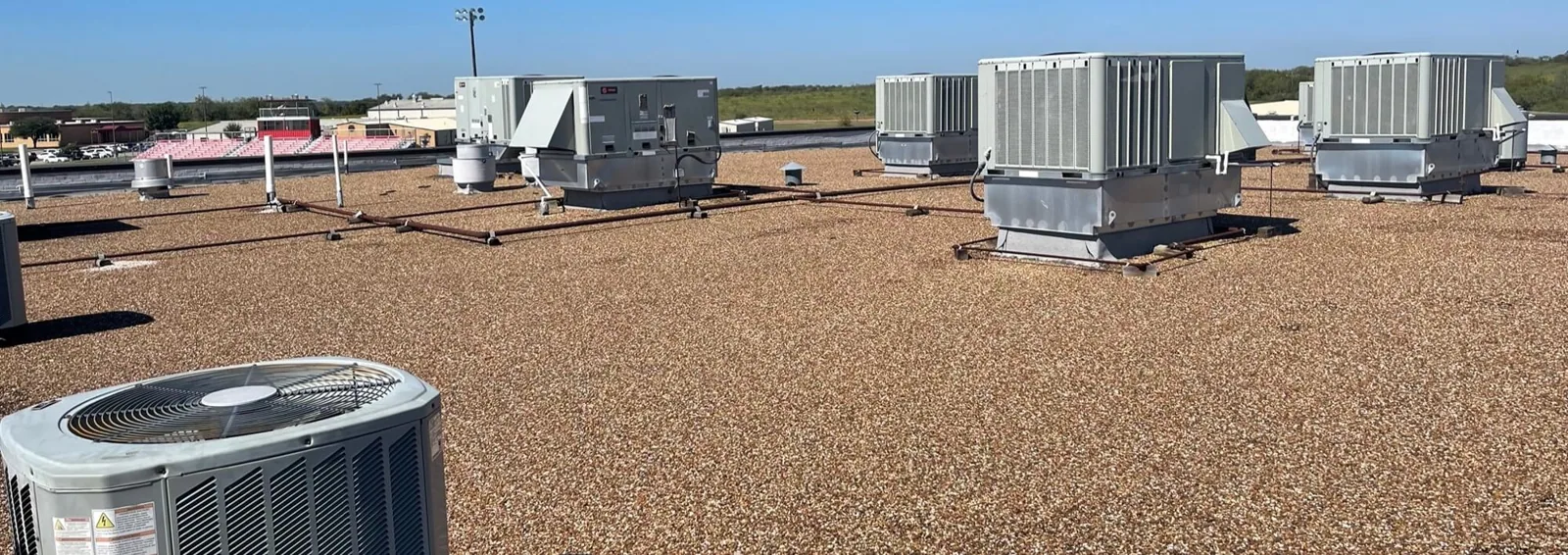
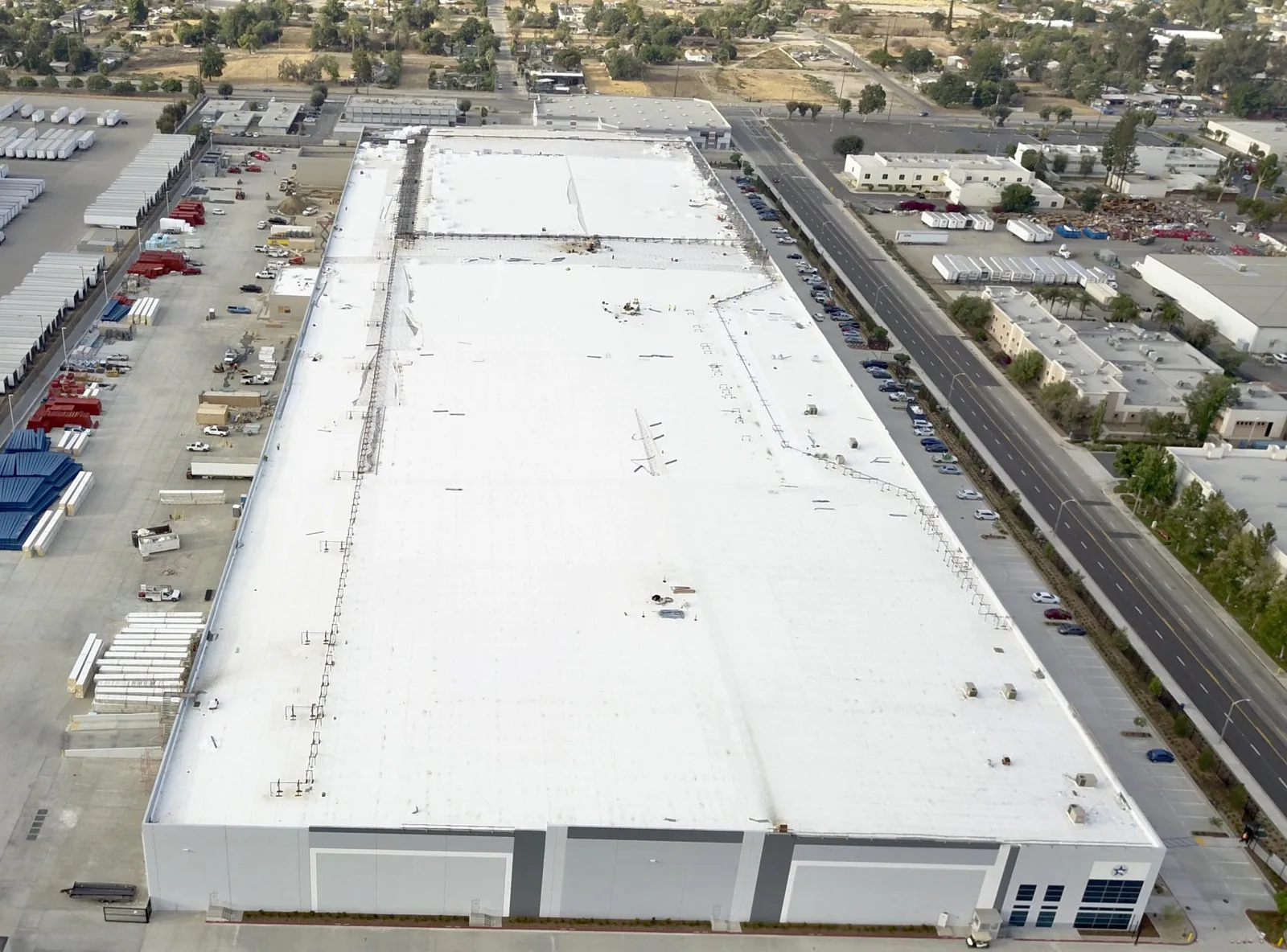
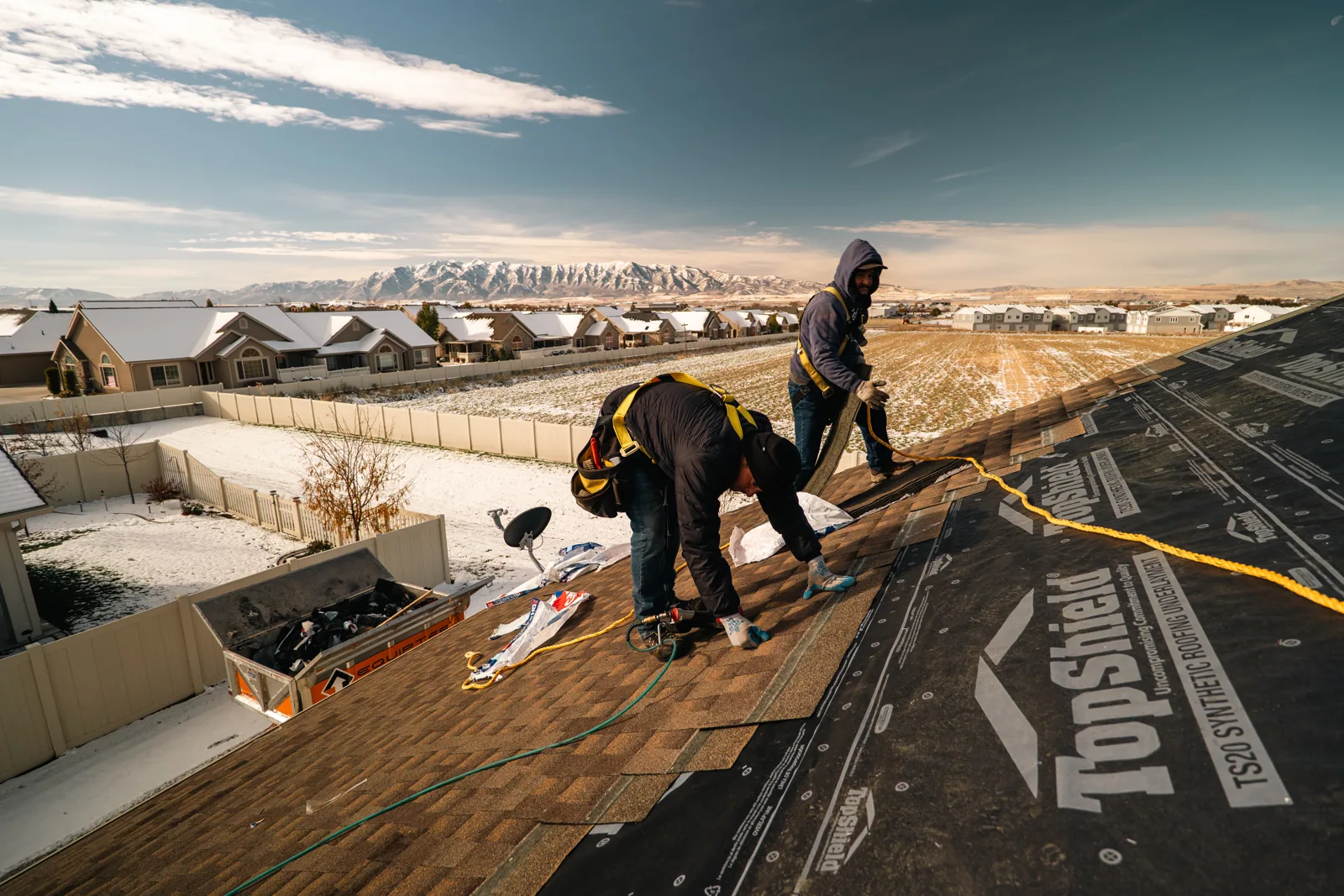
A seam can appear closed while a narrow section remains poorly bonded. We check weld consistency, peel resistance where appropriate, T-joints, corners, curb details, and the termination at walls and edges. Drain bowls and scuppers need a clean path so water does not sit against a vulnerable lap. If water is already inside, we compare the ceiling report with the roof marks and note whether moisture testing is needed below the membrane.
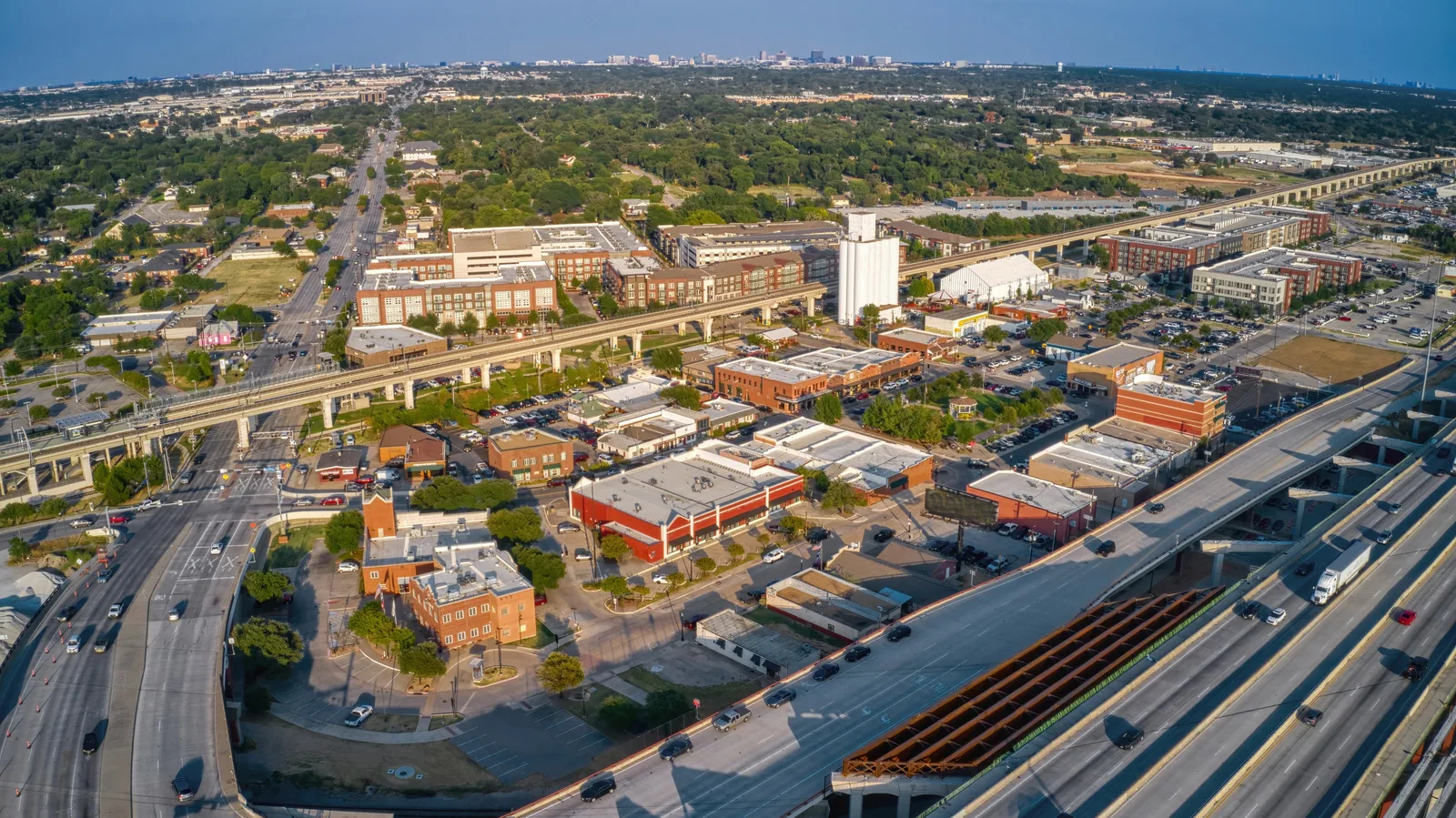
Frankford Trade Center supports logistics and distribution uses, while Trinity Mills Industrial Park sits near a transit hub and contains active business properties. Those local contexts can affect roof access and staging, but they do not establish system condition. A commercial roof inspection can document the roof zones, seams, and repair history that the owner provides. The condition report keeps photos tied to their roof locations for later maintenance or project planning.
For an EverGuard thermoplastic membrane, a repair may use compatible membrane and a heat weld after the surface is prepared and dried. Flashings, prefabricated accessories, and coated metal details need the correct tie-in. We remove loose or contaminated material, check the surrounding sheet, and establish the repair limit before welding. If the membrane is brittle, wet insulation extends past the opening, or the deck needs review, those conditions can change the scope. We check wall transitions and equipment curbs as well, because a sound field sheet cannot compensate for a weak perimeter or an incorrectly flashed penetration.
A leak repair visit can trace a reported opening and mark the affected area. If hail or wind damage reaches several roof zones, a storm damage assessment records observed conditions without treating a weather alert as proof of loss. For an existing EPDM or another manufacturer’s system, we use materials compatible with that assembly rather than placing GAF membrane over an unknown transition.
A recover can avoid tear-off only when the existing roof and substrate can support the proposed assembly. We check for trapped moisture, saturated insulation, unstable cover board, drainage problems, and incompatible layers. Any wet or damaged area may need to be removed and replaced before a new membrane goes down. The scope states the test openings or surveys used and identifies the condition that would change the work after removal.
Dallas-Fort Worth has spring severe weather with hail and damaging winds, and hot summer days can affect installation conditions. We plan the work around the current forecast and GAF’s published installation requirements for the selected system. A replacement proposal can compare tear-off and recover assumptions, staging, insulation, edge details, and daily close-in. A roof should not be covered until the substrate and attachment plan are understood.
Routine service checks seams, curb flashings, edge metal, drains, patches, and any later equipment work. We record the inspection date, roof section, photos, repairs, and follow-up needs. If an HVAC contractor or other trade has made a new opening, the report identifies it and the required flashing repair. That record helps the owner tell whether the next leak report comes from the repaired seam or a separate detail nearby.
Carrollton’s industrial corridors connect through I-35E, Belt Line Road, and State Highway 121. Those routes support a planned service visit, but a property contact still confirms access and operating hours. A maintenance walk can revisit a repaired EverGuard detail after weather exposure. For membrane options beyond GAF, Johns Manville commercial systems include TPO, PVC, EPDM, and bituminous assemblies with different inspection details.
A useful scope identifies the membrane type, roof area, preparation, flashing details, attachment approach, and any substrate assumption. It also states how materials will reach the roof and where the crew will close in if weather changes. We separate confirmed work from a possible change that depends on a test cut or tear-off finding. The owner can then review the repair or reroof scope against the assembly that is actually present.
In hot, humid Carrollton conditions, a repair surface needs to be prepared under the correct temperature and moisture conditions. A product’s published data sheet governs material use, while the field inspection governs the roof details to be addressed. We return marked photos and a written work description to the property contact. The recommendation remains tied to the inspected building, not an assumption that every EverGuard roof has the same history.
A localized repair may fit when the surrounding membrane and substrate remain sound. We inspect the seam, flashing, moisture, and repair history before setting the work limit.
Both are heat-weldable thermoplastic membranes. PVC is commonly selected where chemical or grease exposure is a design concern; the building conditions and project specification guide the choice.
The recover decision follows checks for moisture, substrate stability, drainage, and compatibility. We identify any areas that need testing or removal before proposing the assembly.
We inspect the weld along its length, then check corners, T-joints, penetrations, and termination details. The field mark and photographs show where any repair is needed.
Warranty eligibility depends on the selected assembly, materials, installation requirements, and current manufacturer terms. We identify the system and leave coverage details to the written warranty documents.
RELATED WORK
CALL US
Leaks, storm damage, a failing membrane or a replacement on the calendar: tell us what is happening on the roof and we will set up a visit.
Roofing Manufacturers
Send the building address, GAF product or roof records, leak history, and access contact. We will inspect the existing assembly and return a repair or replacement scope tied to field conditions.
Call 555-555-5555 or request a roof assessment online.