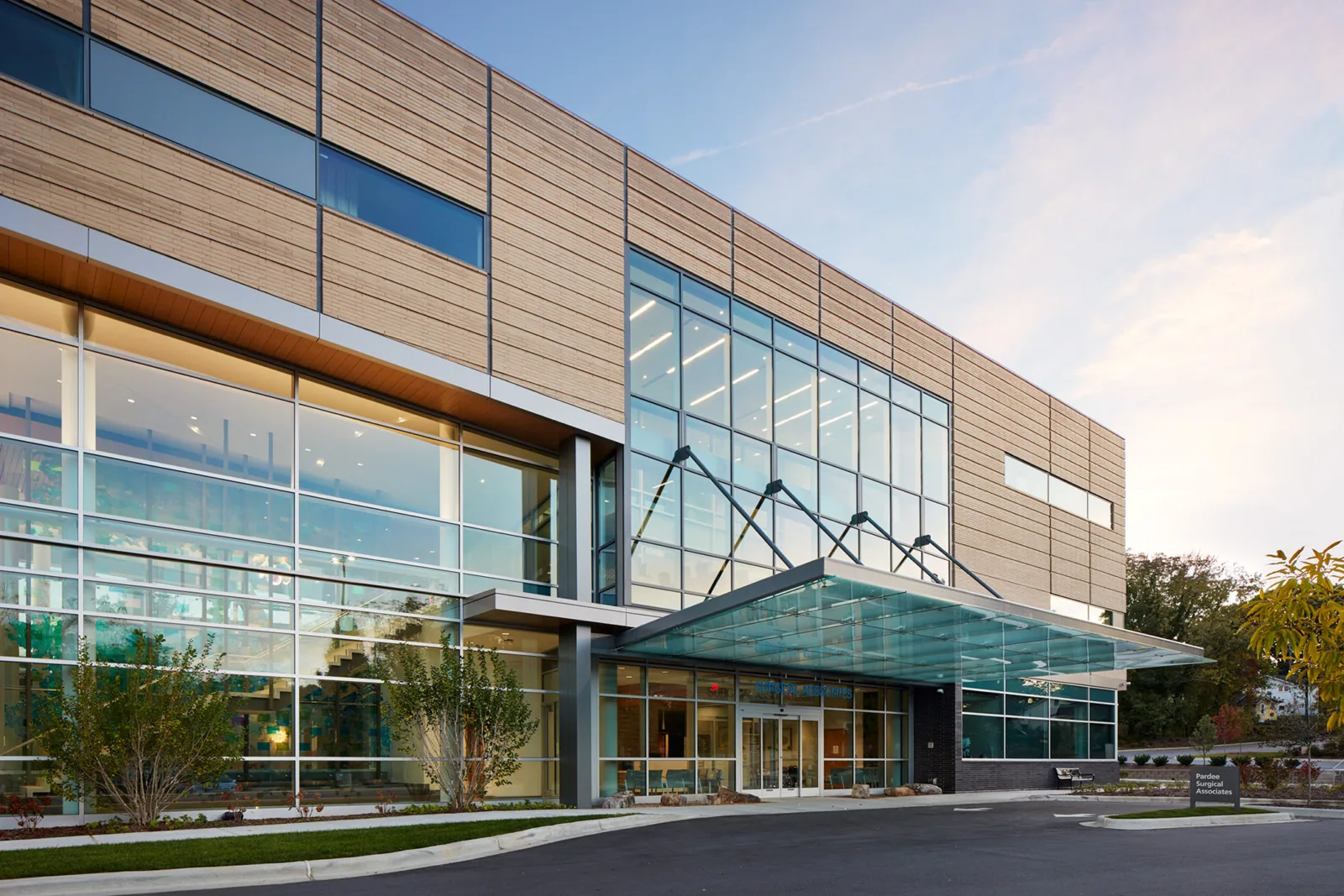
A leak in a public building can affect staff, residents, records, or a scheduled service. Commercial roofing for public agencies in Carrollton, TX begins with the facility contact, the affected room or roof area, and any access or procurement requirements that shape the visit. We inspect the reported detail, record the condition, and provide a defined repair scope. The report separates verified findings from assumptions so an agency can review the work against its maintenance records and next-step process.
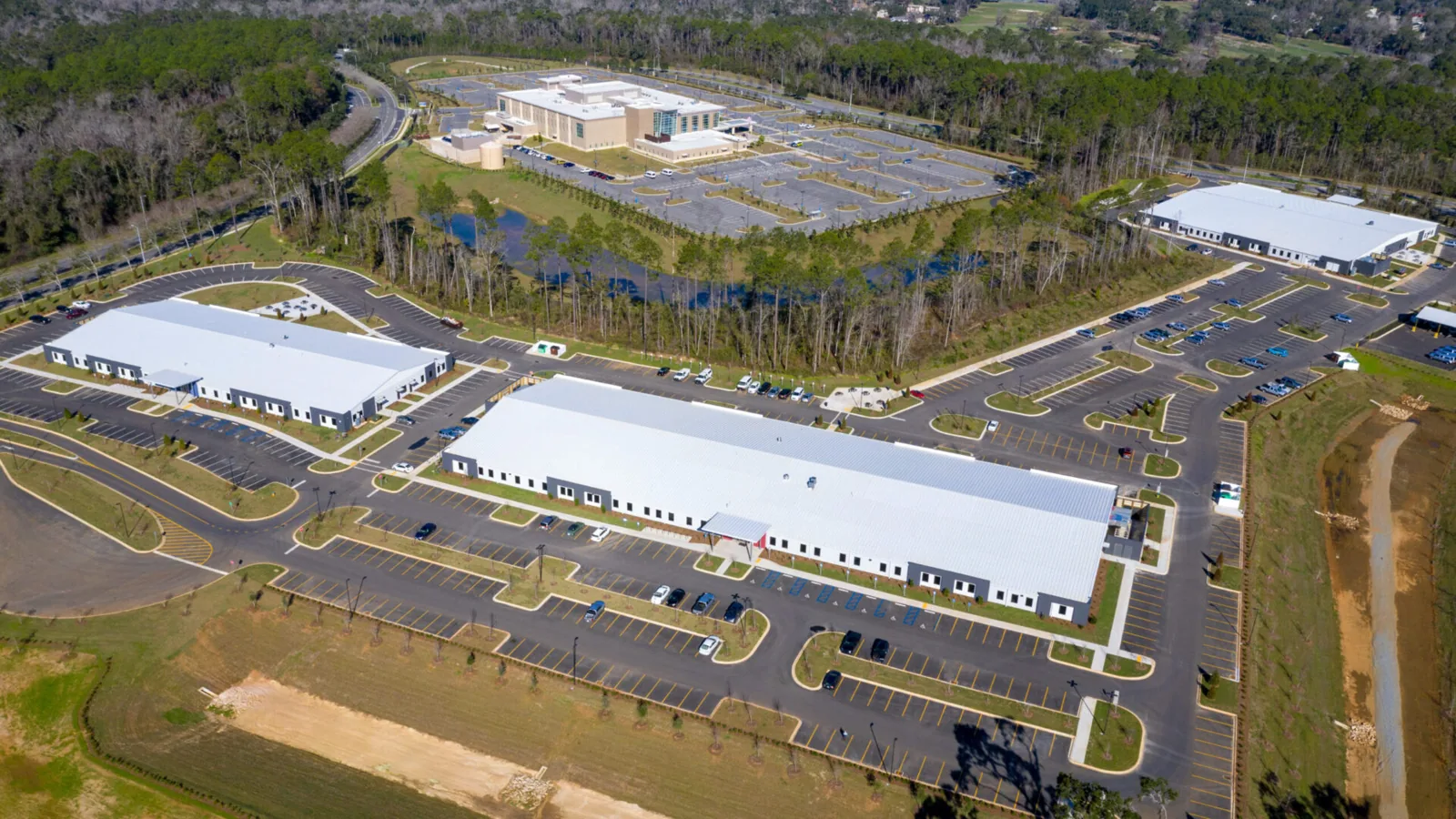
A city or county portfolio may include offices, service centers, community facilities, maintenance buildings, and equipment shelters. Their roof systems, ages, access, and operational needs can differ. We identify each building and roof zone, photograph the inspected areas, and list any blocked or unsafe-to-reach section. If an agency manages several locations, a consolidated schedule can coordinate visits while preserving a separate condition record for each address.
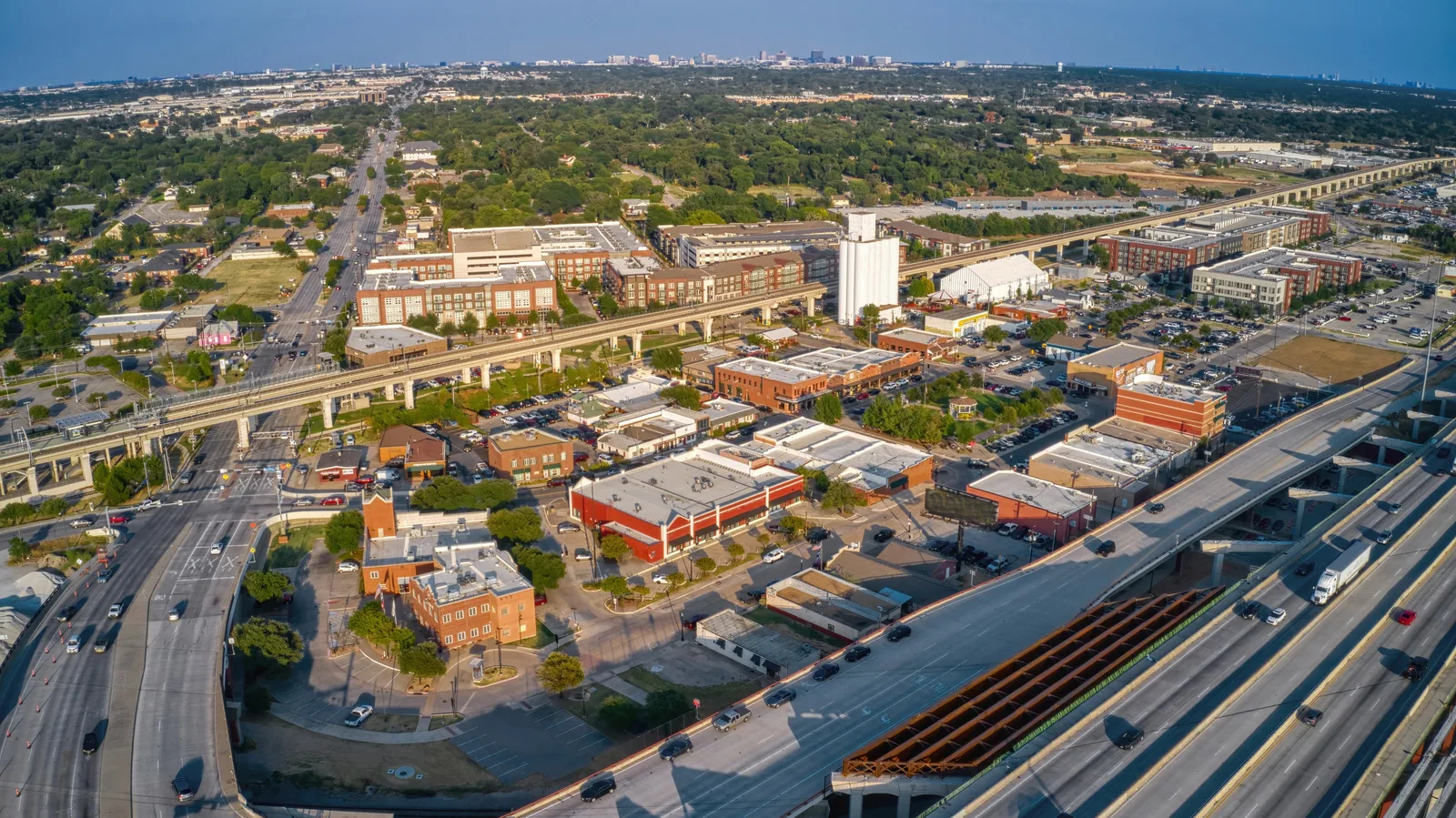
Carrollton’s Farmers Branch Station District sits near Farmers Branch City Hall, the Historical Park, and Children’s Health StarCenter. Those nearby civic and public destinations illustrate how facility work can intersect with active public access; they do not establish roof needs at any specific building. A Farmers Branch Station District inspection should be planned around the property contact’s access directions. For an agency with multiple sites, our portfolio record approach can help organize roof findings without combining different building histories.
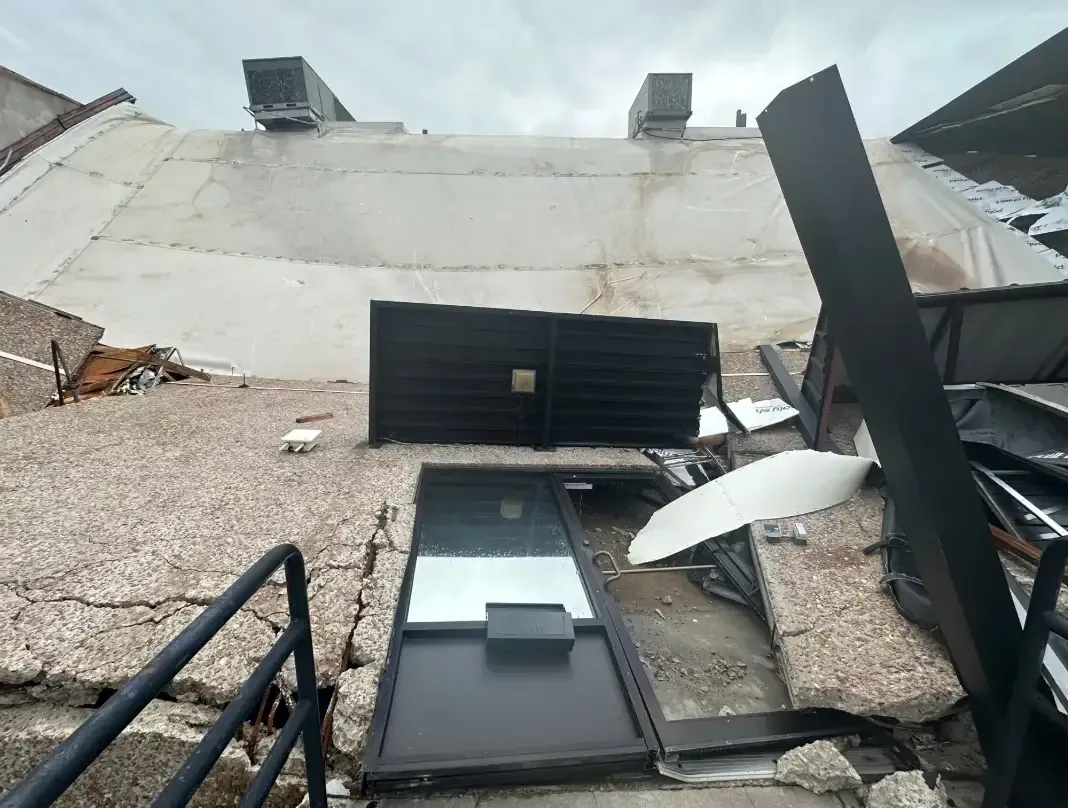
A reviewable scope names the observed failure, roof location, materials proposed, work boundary, access assumptions, and any condition that could change the repair limit. It can distinguish a localized patch from wet insulation removal, edge-metal work, or a larger section replacement. If a test opening or interior access is needed, we state why and identify who must authorize it. This lets the agency route a specific request for review rather than a broad recommendation with unclear limits.
We can provide marked photos and a written description of the visible condition. A roof condition report can support maintenance prioritization by preserving the building, roof zone, and follow-up item. Procurement steps, vendor qualification, and funding approvals remain with the public agency. Our role is to make the roofing recommendation understandable, identify what is included, and answer questions about installation or repair assumptions.
Before mobilization, we confirm visitor hours, staff entrances, accessible paths, fire lanes, loading access, roof hatches, and where a work vehicle can stage. If the repair is near a public entrance, the agency contact can help identify a safe alternate route or work period. Noise, dust, odors, lift placement, and debris removal should be addressed before a roof section is opened. The crew needs a named contact for schedule changes and access questions.
A city facility may remain open while a repair is underway, so the work area must be defined and maintained. We coordinate the path from staging to the roof and agree on how materials will move without crossing public circulation unnecessarily. Our occupied-building roofing plan can set work-zone controls, daily cleanup, and a documented close-in point. The details are confirmed with the facility team rather than assumed from the building’s public function.
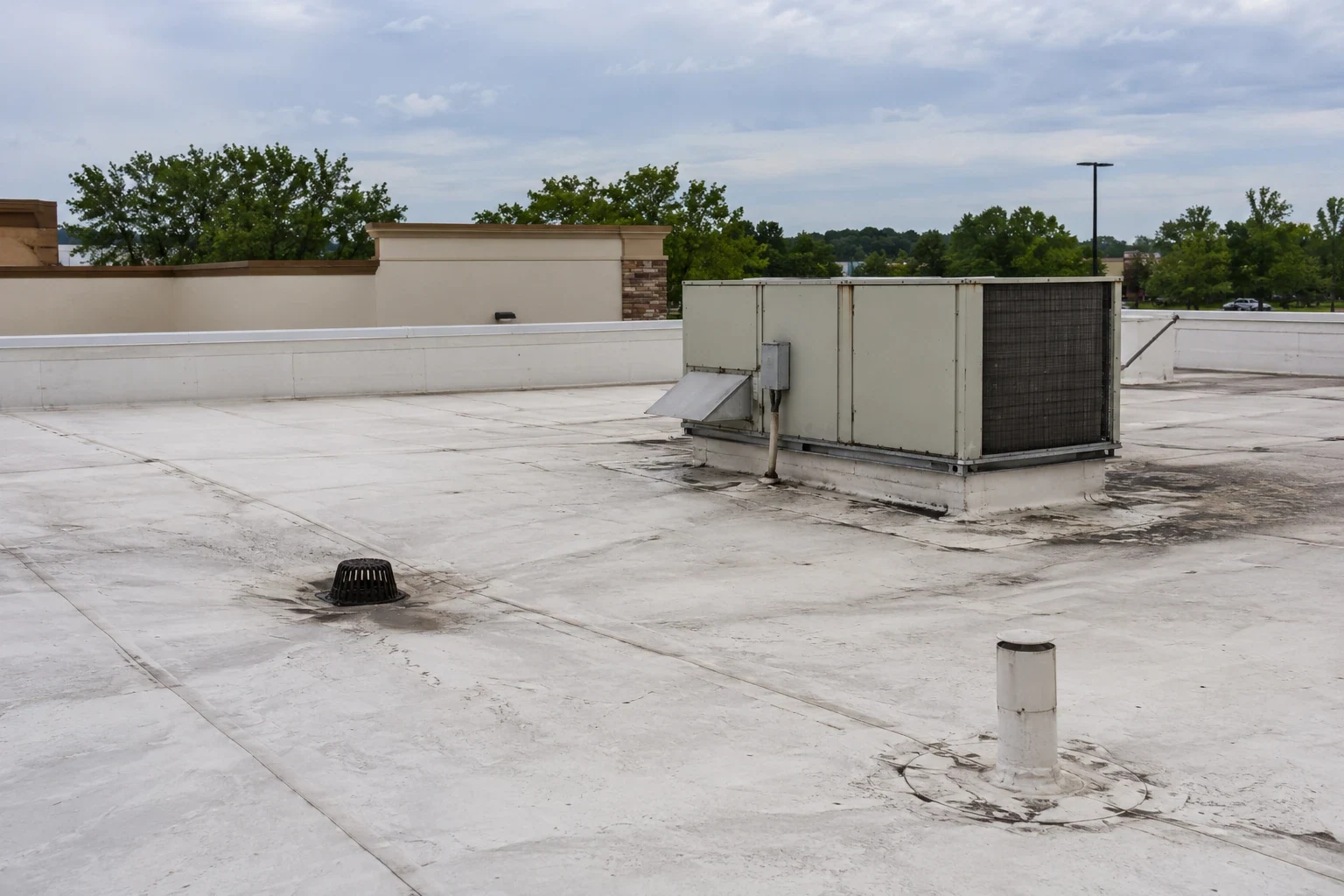
If water is entering now, staff should protect people, equipment, and records first, then report where it appeared and whether the leak is continuing. We inspect above the reported area and check drains, seams, penetrations, wall transitions, and previous repairs. Water can travel before it appears inside, so the roof source may not be directly above the visible stain. We mark the likely source and state whether further testing is needed.
Temporary protection can reduce exposure, but it is identified separately from permanent work. A emergency roof response can assess urgent stabilization needs. Once the immediate issue is controlled, a leak investigation can establish a repair boundary and document the roof assembly. If the leak followed hail or wind, we record visible conditions and distinguish them from older wear or unresolved maintenance items.
Routine inspection can identify clogged drains, loose flashings, open seams, failing sealant, and recurring repair areas before they become urgent calls. We record these findings by roof zone and identify which items need work now, which can be monitored, and which require additional access. A maintenance report should name the condition and location, not simply say that a building needs attention.
Public facilities may have limited work windows, annual budget cycles, or event schedules. A phased list can help staff compare urgency and group mobilizations while keeping each repair tied to the address. Our preventive roof maintenance can capture routine roof details, and a replacement plan can state the assembly, tear-off assumptions, phasing, and weather considerations when repair is no longer suitable. These documents support the agency’s planning; they do not determine its procurement or funding choice.
North Texas can see hail and damaging wind during spring storms, intense summer heat, and occasional winter freeze-thaw conditions. When an agency requests a post-storm review, we document what can be observed, where it is located, and whether access was available. A storm report on a calendar does not itself prove roof damage. We compare the inspected area with the work history when that information is provided and identify any limitation in the assessment.
A facilities group may coordinate visits near Farmers Branch City Hall or the Trinity Mills transit district. Even when those stops share a service day, each address needs its own access contact and roof record. Where claim-related documentation is requested, our storm repair documentation can keep the observed roof facts separate from a coverage determination made by the agency or its insurer.
After the visit, the agency receives the building and roof-zone identification, photos, work completed, materials used, and any open item. We state whether a repair is complete, temporary, or awaiting a decision or test opening. The closeout can also record access limitations and a recommended follow-up interval. Staff can use the information to update a work order, compare bids, or request a later inspection without relying on a verbal recap.
Denton designated Westpark as an industrial district north of Airport Road and uses a TIRZ to finance infrastructure improvements. The district context does not determine roof scope; we base that on the building’s observed condition. We send the report to the contact selected by the agency and keep the recommendation focused on the inspected roof, its repair limit, and the next action needed.
Yes. We identify the roof condition, location, proposed work, access assumptions, and any unresolved item so staff can review a defined request.
We coordinate visitor routes, staff access, work-zone limits, noise, deliveries, and daily close-in with the facility contact before opening the roof.
Visits can be scheduled together when access is arranged, while each building receives its own findings, photos, and recommendations.
No. We document visible roofing conditions and the areas inspected. Claim coverage is determined by the agency and its insurer under the applicable policy.
The closeout identifies the building, roof zone, date, materials, photos, repair status, and any follow-up item. It can be added to the facility’s maintenance record.
RELATED WORK
CALL US
Leaks, storm damage, a failing membrane or a replacement on the calendar: tell us what is happening on the roof and we will set up a visit.
Industries We Serve
Share the building, facility contact, access requirements, and reported condition. We will inspect the roof and return a defined scope with photos and clear follow-up notes.
Call 555-555-5555 or request a roof assessment online.