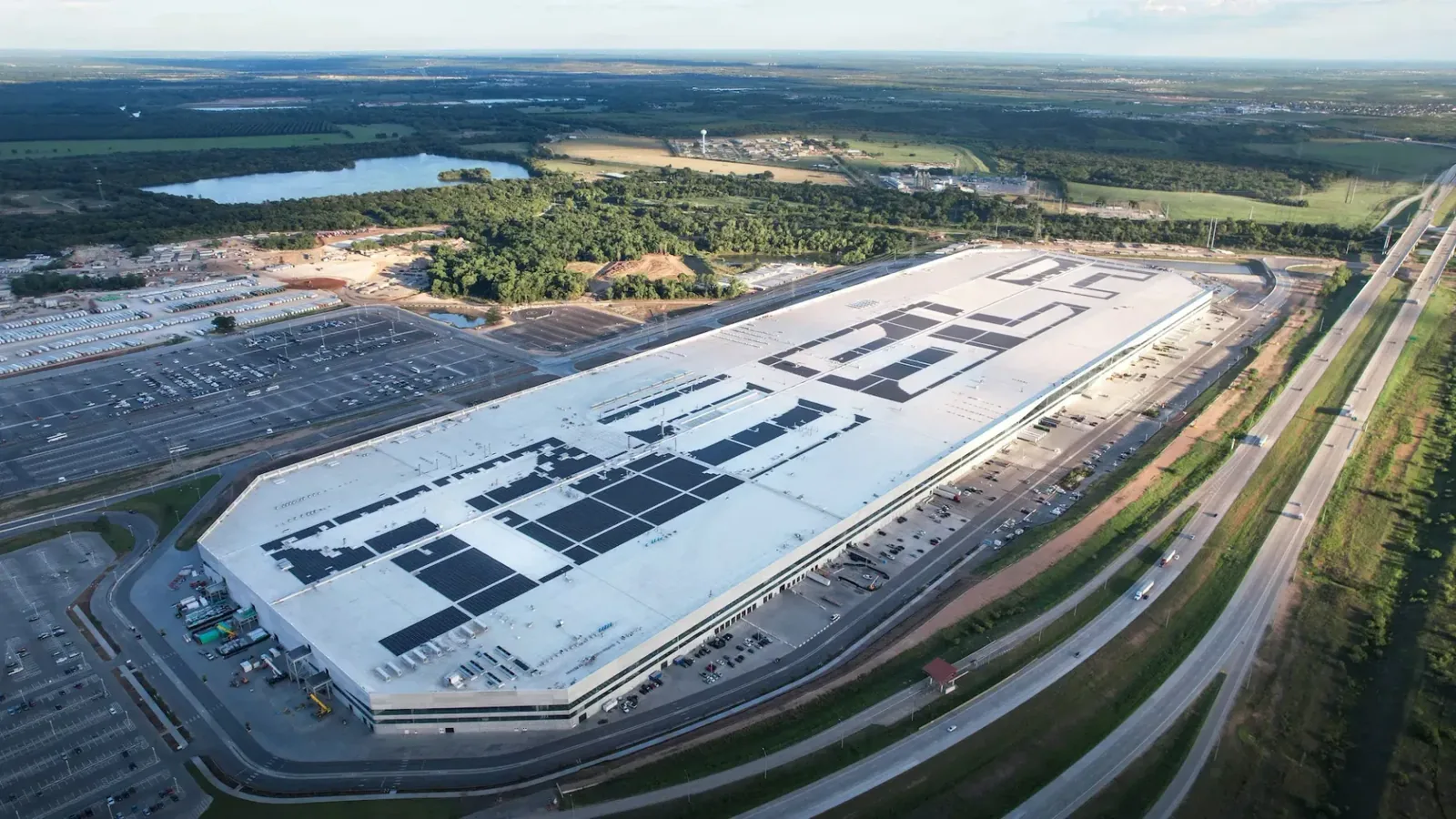
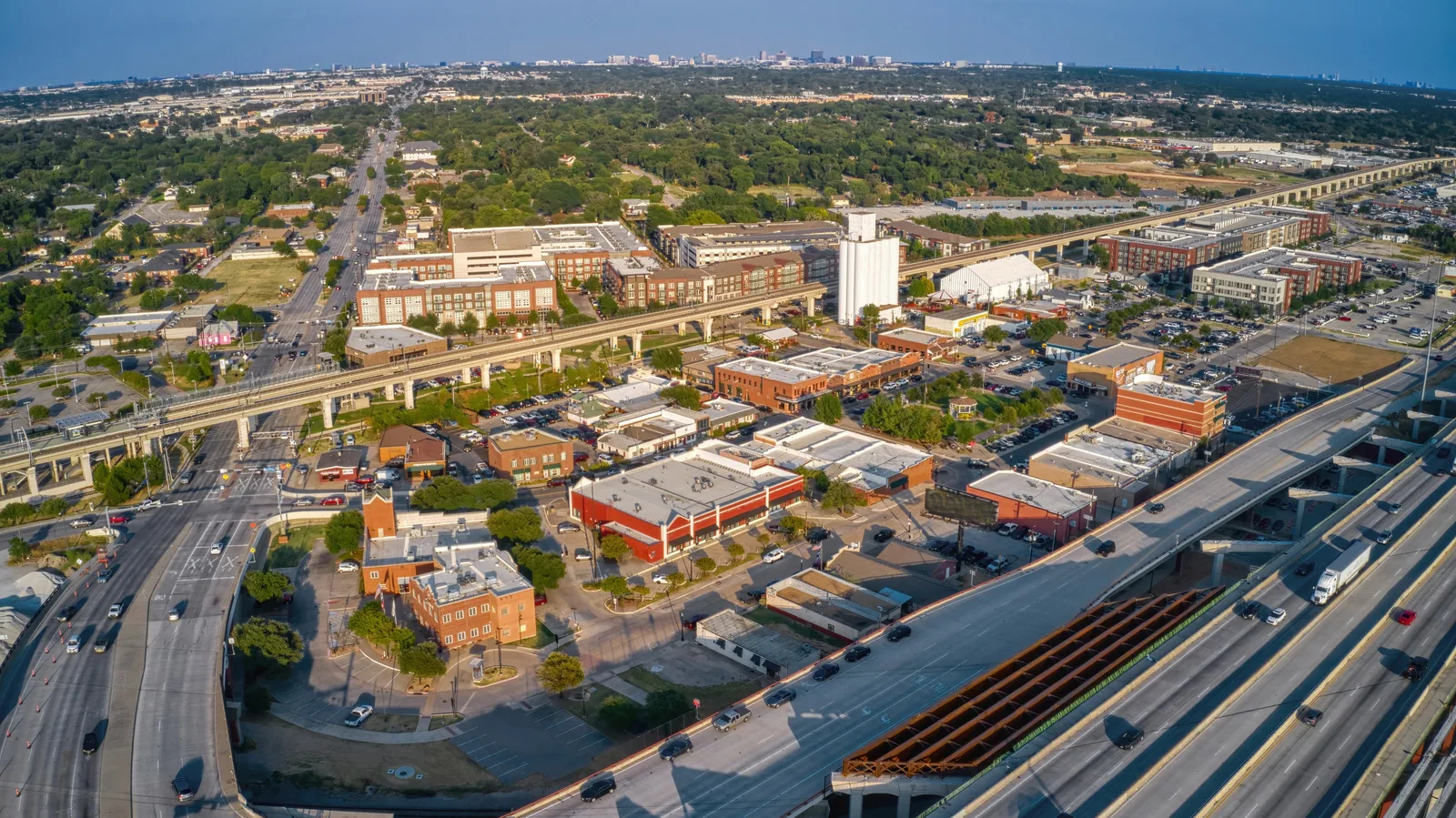
After wind or hail, a property owner may need the roof secured before the full damage review is complete. Commercial roofing for insurance and restoration work in Carrollton, TX begins with the building contact, reported event, active leak status, and access to the affected roof areas. We document visible conditions, identify urgent protection needs, and prepare a repair scope tied to what was inspected. The roof report is field evidence for the owner and carrier to review; coverage remains a policy decision.
If water is entering, the first concern is limiting further exposure to the building and its contents. We inspect the reported area when conditions allow, identify an opening or vulnerable detail, and discuss temporary protection with the property contact. The report states where the temporary work was placed, what it covered, and what still needs permanent repair. A temporary measure is not described as a completed restoration.
Valwood Industrial Park and Midway South include warehouse, manufacturing, distribution, and service properties. A Valwood roof inspection still starts with the specific building’s operating contact, reported event, and access history. Our emergency roof response can assess an active opening and identify immediate stabilization needs.
Useful documentation connects a visible condition with a roof location. We photograph hail marks, displaced flashing, lifted edges, punctures, open seams, drainage issues, and prior repairs when they are accessible. The report identifies the inspected area and notes what could not be reached. A photo of a general roof surface without location context may not help the owner or adjuster determine whether another inspection is needed.
When the owner provides maintenance and repair records, we compare them with observed conditions and mark which areas need testing before assigning a cause or repair limit. A commercial roof inspection can record the system, roof zone, photos, and follow-up questions. For multi-property managers, the portfolio condition record keeps each address and repair history separate.
A roofing estimate should define the work recommended, the material, the repair boundary, access assumptions, and any conditions that could change the scope. We identify whether the recommendation is a localized repair, replacement of a roof section, or further investigation. If wet insulation or damaged deck is hidden below the membrane, the proposal states how that condition would be verified and reviewed before the work expands.
We can explain what roofing work would address the inspected condition and provide photos or measurements for the property file. The owner or authorized representative decides what to submit, and the carrier determines coverage under the policy. Our storm damage roof assessment records visible conditions and repair needs without promising reimbursement. If a broader scope is supported by inspection, a replacement proposal lists assembly, tear-off assumptions, substrate review, edge details, and phasing as roofing work items.
Roof stabilization and interior restoration may involve different schedules and contractors. The roof scope should identify when the exterior opening is protected, what area remains exposed, and whether water may have traveled below the membrane. The property contact can coordinate drying, ceiling, electrical, or contents work with the appropriate trades. Our closeout names the roof detail repaired and records whether temporary protection remains.
On an occupied building, staging, access, and noise need coordination with tenants or operations. A phased plan for an occupied-building project can establish roof zones and daily close-in points. If freight operations are involved, the distribution facility coordination approach can account for docks and trailer movement. We report roof work to the named contact so the restoration team knows whether a temporary cover remains or permanent work is complete.
Hail and wind can affect edges, flashings, rooftop equipment, and areas where a roof was already aging. Carrollton is in a region where spring is the main severe-weather season, with hot sunny summers and occasional winter freeze-thaw conditions. After a reported event, the regional weather pattern helps set inspection timing. We examine the affected roof and use field observations to define the repair scope.
Follow-up may be appropriate if water appears later, if a temporary cover was installed, or if the initial visit could not reach an obstructed section. We record the location, date, and any change since the prior observation. A leak investigation can trace an active interior report to a roof detail. A scheduled maintenance visit can then track drainage, flashing, and prior repairs after the immediate restoration work is finished.
The closeout identifies the property, roof system when known, inspected zone, photos, temporary protection, permanent work, and items that remain open. It separates observed facts from assumptions and describes any access or testing limit. The owner can provide the report to a consultant, adjuster, facilities manager, or restoration contractor as needed. If additional conditions are found after opening the roof, they are documented for review before the scope changes.
Carrollton’s commercial corridors help orient a property visit, while the site contact supplies building access and operating details. We send the closeout to the person authorized by the owner and state the next roofing action. The report can inform a claim review, but the carrier and owner determine coverage and payment. If a follow-up is needed, the location mark and inspection limit give the next crew a clear reason to return.
No. We document roof conditions and recommended roofing work. The insurer reviews coverage under the policy, and the property owner decides how to proceed.
Protect people and contents, report whether water is entering, and arrange safe roof access. We can assess temporary protection and document what remains exposed.
We can provide location-specific photos and a written description of inspected conditions, repair limits, and access constraints. Findings are limited to what we could observe.
Coordination with an adjuster or restoration contractor can include the roofing observations and scope when the owner authorizes it. The owner or representative sets the claim process.
A regional weather report is context for an inspection, not evidence of a particular roof’s condition. We inspect the actual roof and document what is visible.
RELATED WORK
CALL US
Leaks, storm damage, a failing membrane or a replacement on the calendar: tell us what is happening on the roof and we will set up a visit.
Industries We Serve
Share the property address, event or leak information, access contact, and whether water is active. We will inspect the roof, address urgent protection needs, and return a clear field record.
Call 555-555-5555 or request a roof assessment online.