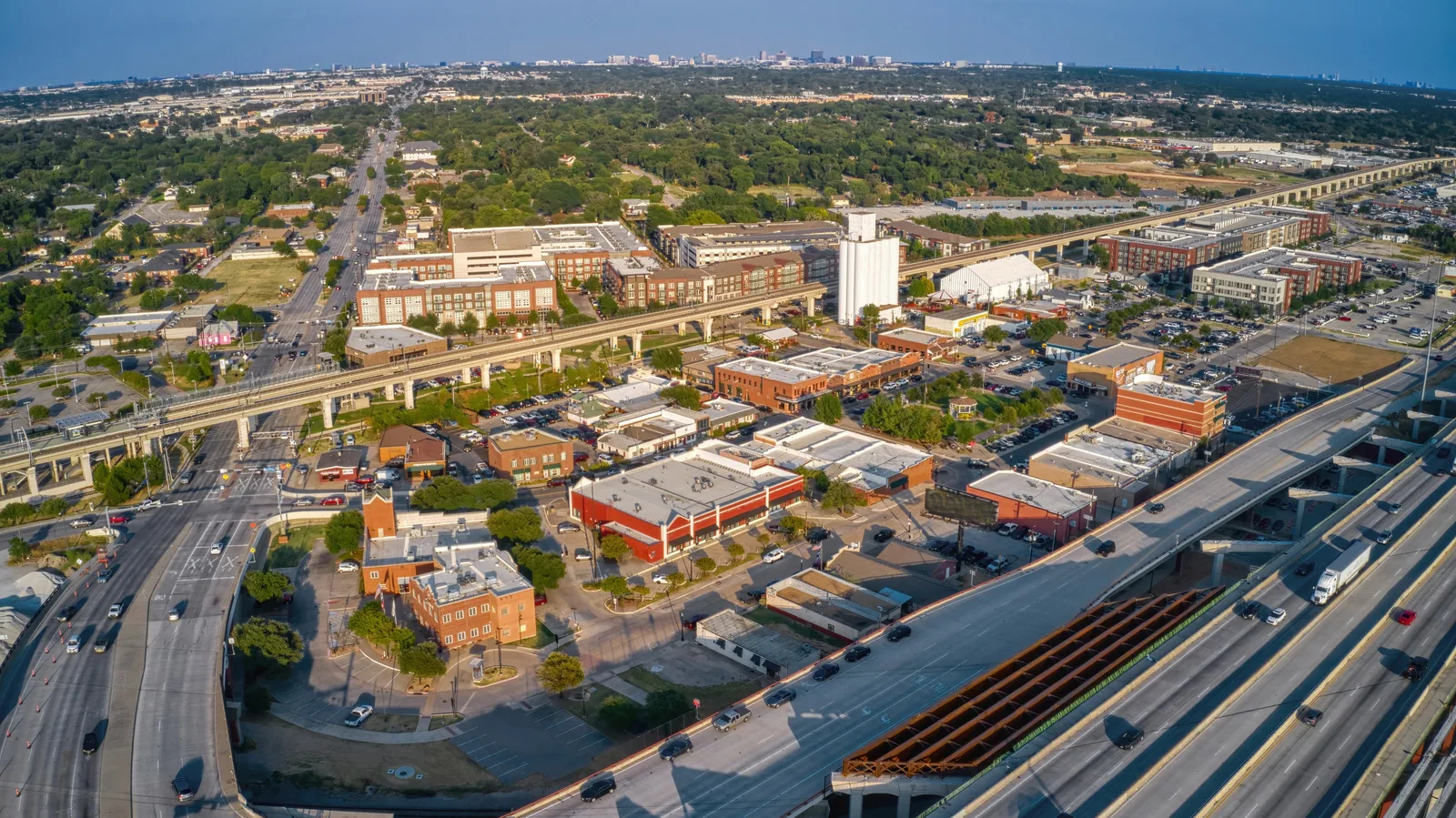
A wet line above a row of storage doors may lead back to a roof seam, not the nearest unit. Self-storage roofing in Carrollton, TX starts with the building layout, the path of water, and the property’s access rules. Valwood Industrial Park includes a broad mix of distribution, manufacturing, and service tenants across roughly 500 buildings, while Trinity Mills Industrial sits around a transit hub west of Midway Road and north of Belt Line Road. These districts show the variety of commercial access conditions in the area. We inspect each storage structure on its own roof plan and mark the affected row or building.
A roof opening over an occupied unit can expose furniture, records, equipment, or other stored belongings. The manager should identify which doors are active, whether a unit can be accessed, and how customers will be kept outside the work boundary. We agree on a material path, ladder or lift location, and any temporary closure before the crew starts. If water is entering, interior protection and a safe route to the unit come before a broad repair decision.
Facility layouts often repeat the same unit bay, but the water path can change at a parapet, expansion joint, drain, or equipment curb. We map the leak to its roof zone rather than assuming the closest ceiling mark is directly below the failure. For multi-building properties, a warehouse roof plan offers similar building-by-building recordkeeping, while self-storage work also needs clear customer access and privacy. Our occupied-building sequence can close off work areas in stages and define a daily end point.
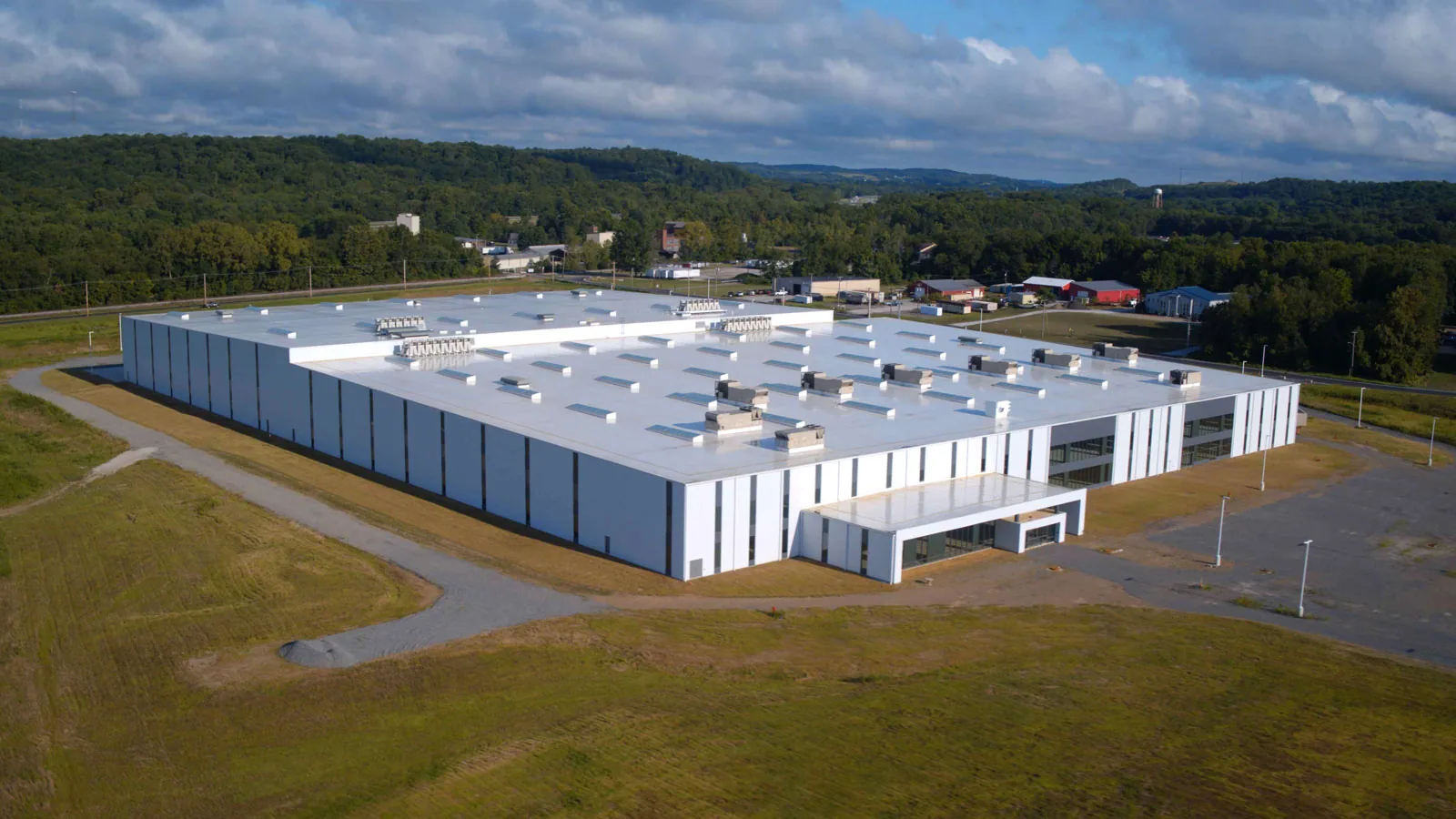
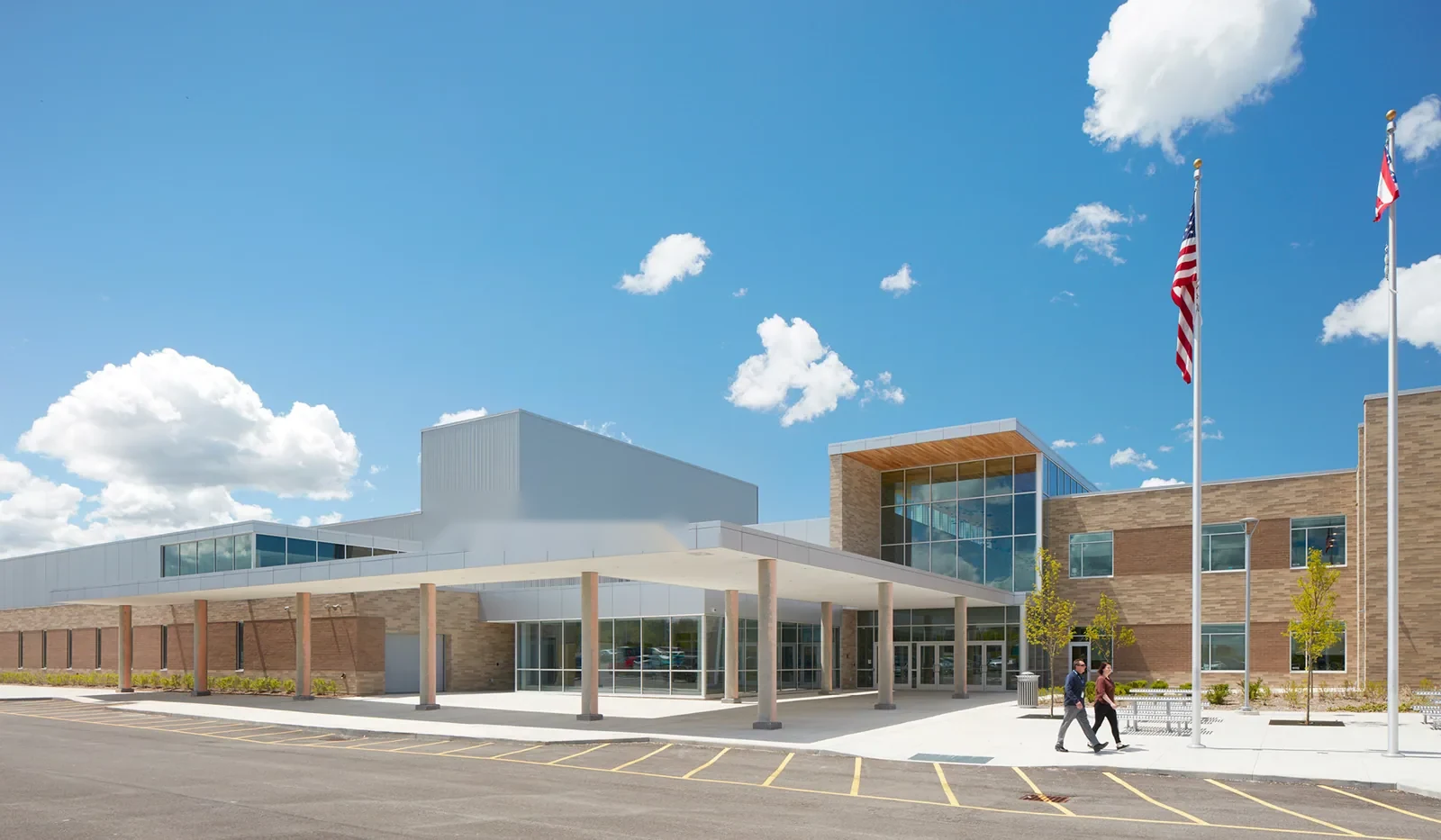
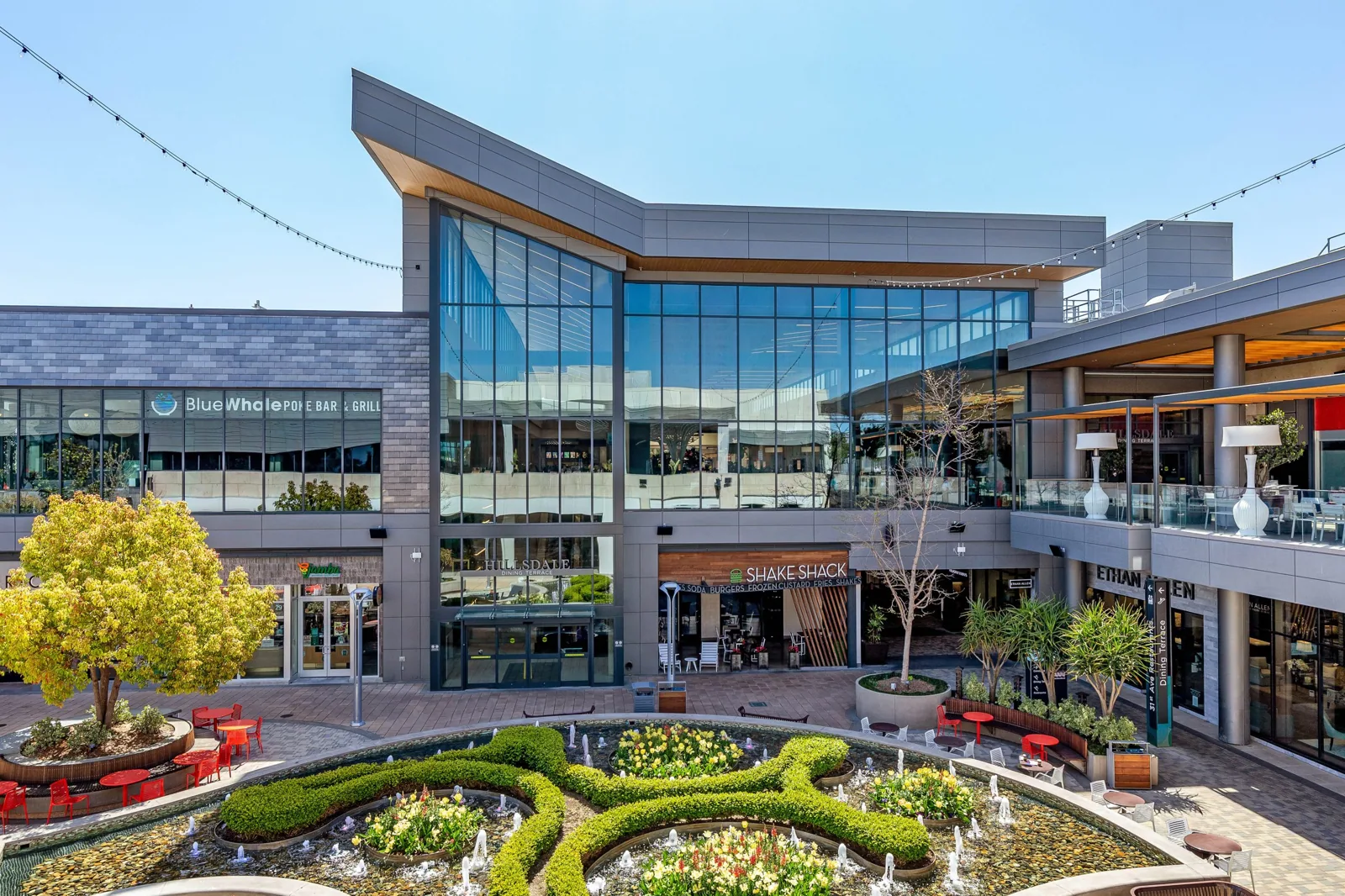
Long roof sections can carry water past several unit bays before it appears at a door header or inside a corridor. We inspect seams, wall transitions, penetrations, and low areas above the report, then compare the findings with the roof slope and drainage. A ceiling stain that has dried may still sit beneath wet insulation. If the assembly cannot be read from the surface, a moisture check or controlled test opening can confirm the affected layer before the repair area is selected.
Staff reports help us narrow the walk: the unit row, time of day, weather, and whether the water returned after a previous repair. We record the interior report separately from the confirmed roof entry. A leak repair inspection can identify the source, protect an active opening, and document any area that needs removal. The closeout names the roof section and the unit access that was affected so the property manager can update its own maintenance record.
Dallas-Fort Worth summer roof work can face 90-degree heat, with July and August readings sometimes above 100 degrees. We set surface preparation and exposed work hours against that regional forecast. After rain, drainage returns to focus. We inspect drain bowls, scuppers, gutters, and low points, noting whether water clears or remains against a seam or edge.
A blocked outlet may send runoff toward a wall or unit row, while compressed insulation can leave a low spot even after the drain is clear. A drainage review maps the outlet and water path separately from membrane repair. For a facility near Trinity Mills Industrial, truck and transit movements may influence where equipment can stage; the self-storage operator should confirm its own customer route and gate schedule before work is set.
A small puncture or failed lap can be repaired when adjacent material remains attached and dry. Repeated leaks, wet insulation, loose perimeter metal, or a soft deck may require a wider opening. We identify the roof system before selecting patch material and check whether the failure continues beneath a visible repair. Coating can be useful only when the existing surface is compatible and sound. It does not replace wet material or correct an outlet that holds water.
When several buildings need attention, reports should preserve a distinct condition record for each structure. A commercial roof inspection can identify urgent openings, repeat trouble spots, and maintenance items without treating every roof as identical. If the roof is due for a larger project, replacement planning can stage work by building and note customer access, material storage, tie-ins, and daily close-in. Those limits help management decide which spaces need temporary protection and which work can wait for a suitable weather window.
Severe weather occurs nearly every year somewhere in the Dallas-Fort Worth Metroplex, with hail, damaging wind, flooding, and tornado reports most active in spring. A storm walk checks roof edges, exposed seams, equipment supports, and drains for movement or impact. We compare new observations with the prior condition record and photograph the specific area. If a leak appears in a storage unit, we protect the interior and confirm the roof path before assigning a cause.
Valwood connects a large number of industrial and service properties, but its district totals do not describe any individual roof. A self-storage site needs its own map of buildings, gates, and unit rows. When wind or hail leaves a fresh opening, storm damage repair can address temporary protection and permanent scope as separate steps. The manager receives the roof location, condition, and next action rather than a general note about weather.
At closeout, we check the repair, remove job debris, and confirm roof access is secured. The report identifies the building, roof zone, date, repair material, photos, and any follow-up condition. We avoid putting customer names or stored-property details in the roofing record. A marked roof plan lets a new manager locate a seam or curb without entering a rented unit or guessing from a row number.
For a property with more than one address or structure, an inspection log can group work by building while keeping each roof’s system and repair history separate. We list whether a detail is complete, temporarily protected, or awaiting a later visit. If a weather delay changes the plan, the updated note states what conditions must be met before work resumes. If the property also contains service or light-manufacturing bays, a flex-industrial roof plan can account for those tenant and equipment conditions. That record also makes a future leak easier to compare with the last roof walk and gives management a practical basis for scheduling preventive service.
Often, when customer routes, loading, and active unit doors can be separated from the work zone. We agree on barriers, staging, and the daily close-in point with management before mobilizing.
We protect the contents area as directed, identify the roof section above the report, and trace the water path. The manager controls entry to the unit and any customer notification.
Not by itself. Water can collect at a drain, travel beneath the surface, or enter at a nearby transition. We inspect the assembly and confirm the source before choosing a repair.
Keep the building and roof-zone identifier, observed condition, photos, repair material, and any temporary or follow-up work. Customer names and stored-item descriptions are not needed in that record.
We compare the spread of failures, moisture beneath the membrane, deck condition, and prior repair history. A replacement scope is warranted when the assembly’s condition makes local repairs a poor fit.
RELATED WORK
CALL US
Leaks, storm damage, a failing membrane or a replacement on the calendar: tell us what is happening on the roof and we will set up a visit.
Property Types We Roof
Share the building map, gate hours, customer routes, leak reports, and any unit-access limits. We will inspect the roof and return a repair scope tied to the affected building and row.
Call 555-555-5555 or request a roof assessment online.