A lifted edge above a vehicle bay needs a repair plan that protects the roof and respects the facility’s access rules. Army installation roofing in Carrollton, TX draws on nearby Army Reserve properties, including the Grand Prairie Armed Forces Reserve Complex about 18 miles southwest and the Denton Army Reserve Center roughly 25 miles north-northwest. The branch matters: these are U.S. Army Reserve sites, not active-duty Army posts. Their documented building uses include training, vehicle maintenance, and storage, each with different roof access and operating needs.
A training building, maintenance shop, and storage structure do not share one roof inspection checklist. The Denton Army Reserve Center includes a training building, a three-bay vehicle maintenance shop, and a storage building. We identify the facility type, roof area, equipment above it, and operations below before setting an inspection route. The Army Corps notes that reflective roof surfaces were incorporated at the Denton complex to reduce heat gain and cooling demand. That fact informs the local context, but the specific roof condition still requires a field review.
At Grand Prairie, the Army Reserve identifies an active Armed Forces Reserve Complex that is home to the 607th Military Police Battalion. Army Reserve materials also describe vehicle-support infrastructure there. We do not assume a particular roof system or condition from a facility’s mission. The roof map should separate each structure, identify curbs and perimeter transitions, and show which areas need escort or an approved entry window. A military-facility roofing scope can set that inspection and close-in sequence against the installation’s current access direction.
Base access begins with the installation’s rules. We coordinate visitor approval, badging, escort procedures, tool lists, vehicle entry, and any restrictions on photography before mobilization. The facility contact identifies where a lift or roofing material can stage and which routes must remain available for personnel or vehicles. We confirm whether a roof hatch, ladder, or controlled interior corridor provides the approved route and keep the work boundary clear of active operations.
If work takes place above a training or maintenance area, the site contact sets the operating window and identifies what can remain in service. We do not enter restricted areas or move equipment without authorization. Where project documents call for Unified Facilities Criteria for roofing, the proposed assembly and details must be checked against the current contract requirements. A phased occupied-building plan can divide work into roof zones, record daily close-in, and identify who approves reopening the area below.
Roof failures often begin where the field meets a wall, curb, drain, or metal edge. We inspect seam laps, terminations, pipe boots, fasteners, and equipment supports, then check whether moisture has reached insulation or deck. For a metal roof, the lap and attachment pattern matter. For a membrane roof, patch material must match the system and bond to a sound surface. A test cut or moisture survey is used when the assembly cannot be confirmed from above.
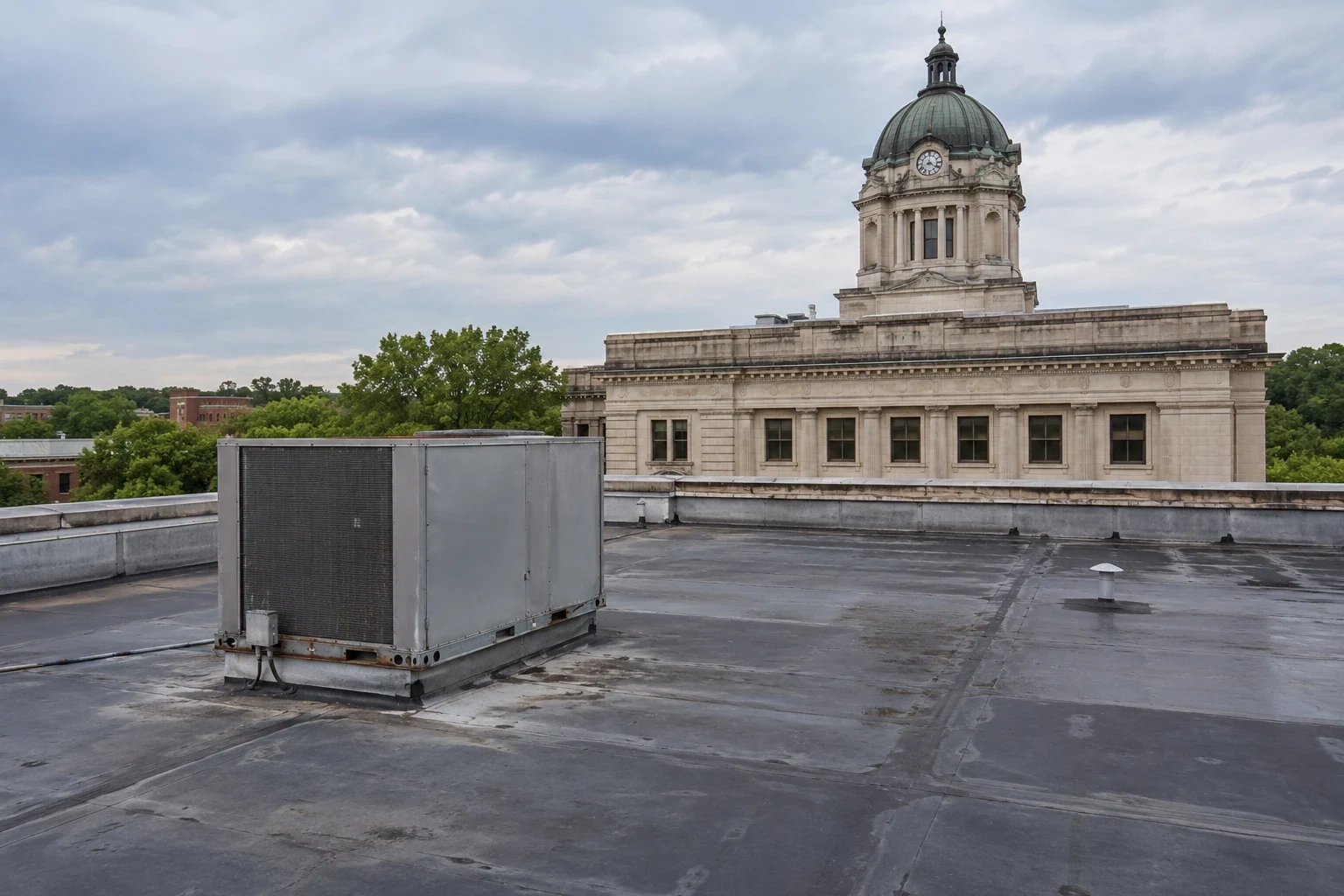
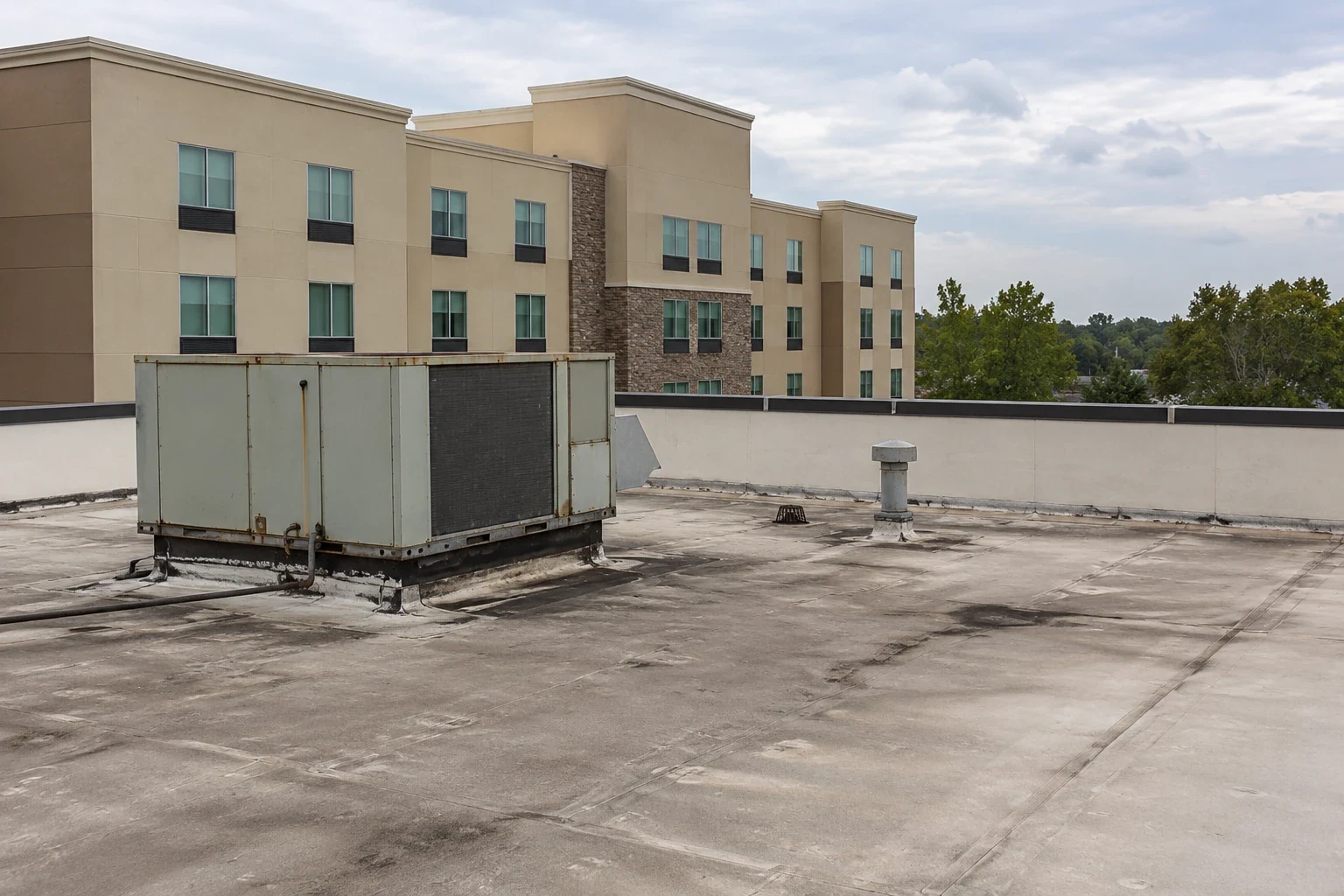
Vehicle maintenance buildings may have exhaust, service lines, or equipment supports that pass through the roof. We map each penetration and coordinate with the responsible trade before changing a curb or shutdown plan. Drain bowls and overflow routes also need a separate check, especially where debris or low areas keep water against a seam. A commercial roof inspection records the observed condition by structure. A drainage review notes whether an outlet is blocked or the roof slope needs further evaluation.
July and August bring hot, humid conditions across Dallas-Fort Worth; daytime highs usually reach the 90s and can pass 100 degrees. We time exposed preparation and installation against those conditions and the facility’s operating schedule. The regional severe-weather season peaks in spring, when storms can bring hail, wind, flooding, or tornado activity somewhere in the metroplex. After a weather report, we inspect edges, penetrations, rooftop supports, and drains for a change in condition.
Carrollton’s industrial and service building inventory includes Valwood Industrial Park, a large district with many different property types. Its building totals do not describe an Army Reserve roof, but the broader market does make access and equipment staging familiar planning concerns. We record the structure and roof zone rather than describing damage by installation name alone. If a temporary cover is needed, the report states where it sits, how it is secured, and what conditions must be met before permanent work.
A localized repair is appropriate when the surrounding material remains attached and dry. If wet insulation extends past the visible leak, edge metal has moved across a longer run, or several seams have opened, a broader scope may fit better. We identify the system, inspect the deck where needed, and mark the repair limit before removing material. The scope separates immediate protection from permanent work and notes any condition that could not be inspected because access was restricted.
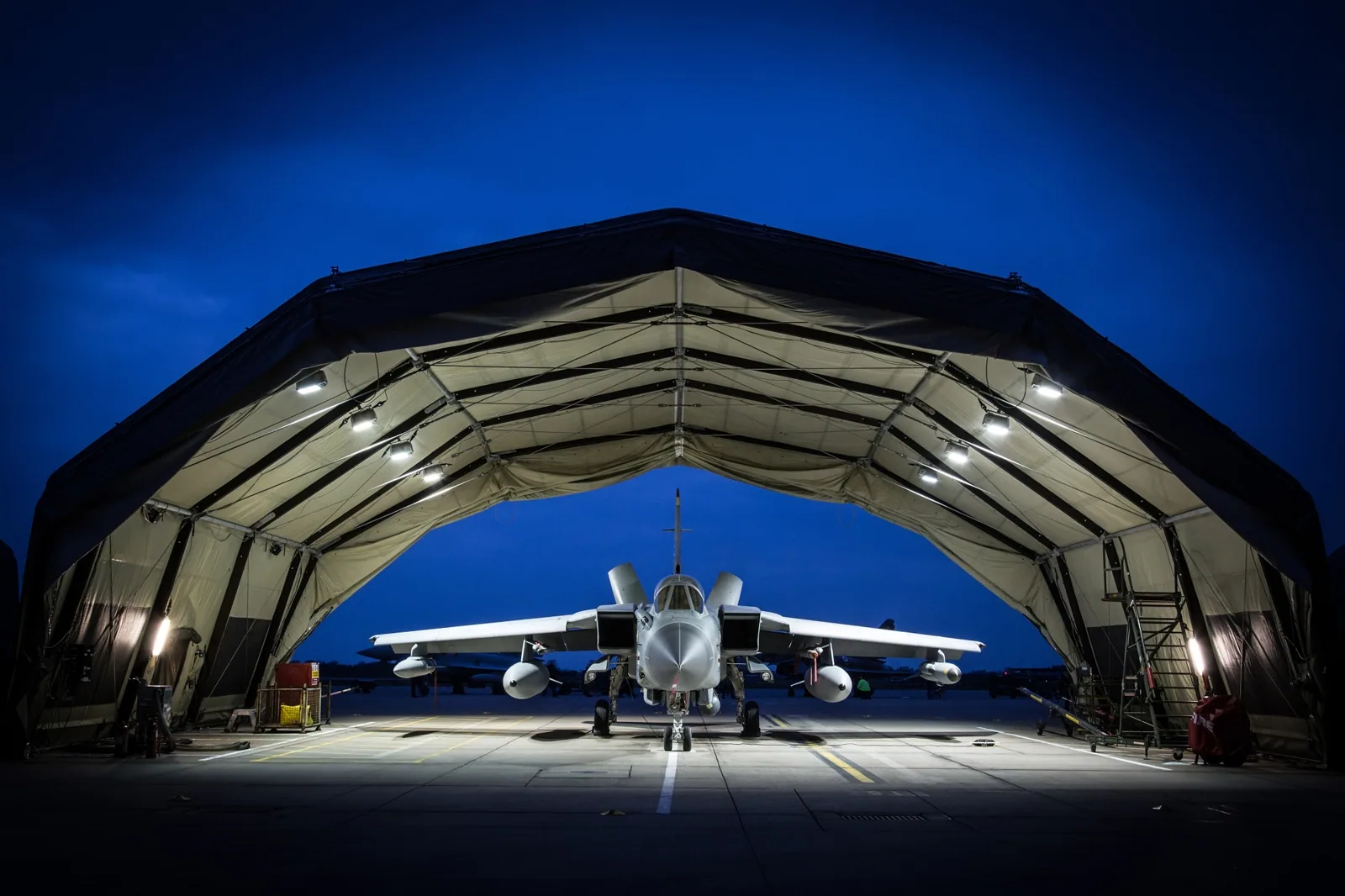
For an older assembly, recover or replacement should be considered only after the existing layers and attachment are reviewed. A replacement plan can state sequence, material staging, daily closure, and protection for the activities below. An armory has a different personnel and equipment profile, so the details in a National Guard armory roof scope should not be presumed to fit an Army Reserve building. A military hangar roof also requires door-clearance and access controls tied to the specific structure.
Before leaving, we inspect the repaired detail, remove loose material, and secure roof access. The report names the building, roof zone, work date, materials, approved photos, and any open item. A follow-up should identify the access approval needed, the evidence that remains uncertain, and who receives the next status. That record lets a facility manager compare a future leak with the last inspection without treating the reserve complex as one undivided roof.
The Army Reserve facility at Denton includes both a maintenance shop and a storage building, while the Grand Prairie complex supports an Army Reserve battalion and vehicle-related infrastructure. We keep findings separate by site and structure. If an assembly requires a return visit after weather clears or another trade completes equipment work, the closeout names that condition. The work remains tied to the approved scope and installation procedures, with the facility contact receiving a clear repair limit and next action.
The U.S. Army Reserve operates the Grand Prairie Armed Forces Reserve Complex and the Denton Army Reserve Center. We use their documented building types as regional context and inspect each facility under its own access rules.
We follow the site’s current visitor approval, badging, escort, photography, and tool-entry instructions. The facility contact identifies the approved route and staging area before the roof walk.
The facility sets the operating window and any equipment or vehicle movement needed below. We confirm the work boundary, protect the area, and close each roof section before returning it to normal use.
It should identify each structure and roof zone, show observed conditions with approved photos, and distinguish temporary protection from completed repair. We also record access limits and items that could not be inspected.
We compare the roof system, attachment, moisture, deck condition, and repair history. Replacement is considered when failures extend beyond a local detail or the existing assembly cannot support a sound repair.
RELATED WORK
CALL US
Leaks, storm damage, a failing membrane or a replacement on the calendar: tell us what is happening on the roof and we will set up a visit.
Property Types We Roof
Share facility type, access approvals, escort requirements, work windows, and any reported leak locations. We will inspect the roof and return findings by structure and roof zone.
Call 555-555-5555 or request a roof assessment online.